North Florida Real Estate Blog

by CB Isaac Realty


Oct. 26, 2026

How Much Does It Cost to Build a House in Florida in 2026? A Complete Guide for North Florida Buyers

Dreaming of building your own home in Florida? Whether you're planning a custom home on five acres, a cozy country retreat, or a new house near Jacksonville, understanding the true cost of construction is essential before purchasing land.

One of the most common questions buyers ask is: “How much does it cost to build a house in Florida in 2026?”

The answer depends on more than square footage.

Land prices, building materials, labor, site preparation, utilities, permits, and the type of home you choose can significantly affect your total investment.

In North Florida communities such as Keystone Heights, Melrose, Hawthorne, Starke, Gainesville, Jacksonville, Middleburg, and Green Cove Springs, buyers have opportunities to purchase land and build homes that fit their needs.

But before breaking ground, it's important to understand what your budget actually covers.

Let's break down the costs, potential surprises, and important considerations for building a house in Florida in 2026.

How Much Does It Cost to Build a House in Florida in 2026?

In 2026, a practical preliminary budgeting range for many standard new homes in Florida is approximately $180 to $280 per square foot, excluding the purchase of land and potentially excluding site preparation and other project expenses.

Custom homes with upgraded materials, specialized designs, or premium finishes may cost $280 to $400 or more per square foot.

These are broad planning estimates, not fixed statewide averages or builder quotes.

For example:

Home Size Standard Construction ($180–$280/Sq. Ft.) Custom Construction ($280–$400/Sq. Ft.)
1,000 sq. ft. $180,000–$280,000 $280,000–$400,000
1,500 sq. ft. $270,000–$420,000 $420,000–$600,000
1,800 sq. ft. $324,000–$504,000 $504,000–$720,000
2,000 sq. ft. $360,000–$560,000 $560,000–$800,000
2,500 sq. ft. $450,000–$700,000 $700,000–$1,000,000
3,000 sq. ft. $540,000–$840,000 $840,000–$1,200,000

These illustrative construction estimates are based on broad Florida cost guides. They are not local contractor bids and do not necessarily include land, permits, utility connections, financing, or site improvements.

What Is the Average Cost to Build a 2,000-Square-Foot House in Florida?

Using the ranges above, a standard 2,000-square-foot home could cost approximately $360,000 to $560,000 for construction, before certain additional expenses.

A fully customized home could cost considerably more.

In some rural North Florida markets, a straightforward home design with standard finishes may receive lower quotes than these ranges.

However, the actual cost depends on the builder, specifications, and property conditions.

The biggest mistake buyers make is assuming the builder's price per square foot represents the total cost of moving into a finished home.

It may not.

1. How Much Does Land Cost to Build a House in North Florida?

Before you can build, you need a suitable piece of property.

North Florida offers a variety of options, from residential lots in established neighborhoods to larger wooded and agricultural tracts.

Land prices vary based on:

  • Location and proximity to nearby cities.

  • Acreage.

  • Road frontage and legal access.

  • Zoning and permitted uses.

  • Available electricity and utilities.

  • Flood zones and wetlands.

  • Waterfront features.

  • Site preparation requirements.

A one-acre lot in Keystone Heights may have a very different price than five acres in Hawthorne or waterfront property near Lake Santa Fe.

Is Buying Cheap Land Always the Better Deal?

Not necessarily.

Imagine comparing two properties:

Property A: A lower-priced wooded parcel with no driveway, no utilities, and substantial clearing requirements.

Property B: A higher-priced parcel with a prepared homesite, legal road access, and electricity nearby.

Property A might appear more affordable initially.

However, once you account for clearing, grading, utility extensions, and other improvements, the total development cost could be greater.

When shopping for land, compare the total cost of creating a buildable homesite—not just the asking price.

Interested in purchasing land in North Florida?

Explore available properties and building opportunities through CB Isaac Realty.

2. How Much Does It Cost to Clear Land in Florida?

Land clearing is one of the first expenses buyers may encounter when preparing rural property for construction.

The cost depends on how heavily wooded the land is, how much area needs clearing, and whether substantial grading or debris removal is required.

A relatively open lot may require limited preparation.

A heavily wooded property with large trees, stumps, drainage problems, or uneven terrain may require extensive work.

Common Land Preparation Expenses

These can include:

  • Tree removal.

  • Brush clearing.

  • Stump grinding.

  • Grading and leveling.

  • Soil testing.

  • Drainage improvements.

  • Driveway installation.

  • Culvert installation.

  • Foundation pad preparation.

For preliminary planning, site clearing, grading, and driveway work can add several thousand to tens of thousands of dollars to a project.

A commonly cited broad allowance for basic site preparation is approximately $5,000 to $25,000, but difficult sites can cost substantially more.

Do You Have to Clear the Entire Property?

No.

If you're purchasing five acres in Hawthorne or Melrose, you may only need to clear enough land for the house, driveway, septic system, and other improvements.

Keeping mature trees can preserve privacy, shade, and the natural character of your property.

Before clearing, confirm whether permits, tree protections, wetland restrictions, or other regulations apply.

3. How Much Does a Well and Septic System Cost in Florida?

Many rural properties in North Florida are not connected to municipal water and sewer systems.

Instead, homeowners may need a private well and septic system.

These expenses can significantly affect the cost of building on vacant land.

Cost to Install a Well in Florida

For initial budgeting, a residential well installation may cost approximately $5,000 to $15,000 or more.

Actual pricing depends on:

  • Required well depth.

  • Soil and geological conditions.

  • Water availability.

  • Pump equipment.

  • Water treatment needs.

  • Contractor pricing.

Some properties may require deeper drilling or additional treatment systems.

Cost to Install a Septic System in Florida

A conventional septic system may cost approximately $5,000 to $15,000 or more, while engineered or advanced treatment systems can cost substantially more.

Costs depend on soil conditions, property layout, household design, regulatory requirements, and system type.

Can Every Property Have a Septic System?

No.

Some parcels have unsuitable soil conditions, insufficient usable area, or other limitations.

Before purchasing land, buyers should investigate whether a septic system can be permitted for the proposed home.

A five-acre property isn't automatically buildable just because it has plenty of space.

Wetlands, setbacks, soils, and other restrictions can affect where a home and septic system may be installed.

4. How Much Do Building Permits Cost in Florida?

Building permits are required for most new residential construction projects.

Permit expenses vary by county, municipality, home size, construction type, and applicable fees.

Your project may require:

  • Residential building permits.

  • Plan review.

  • Electrical permits.

  • Plumbing permits.

  • Mechanical permits.

  • Septic permits.

  • Driveway or culvert permits.

  • Additional environmental or development approvals.

Some jurisdictions also charge impact fees to help fund public infrastructure.

Do Florida Counties Charge the Same Building Fees?

No.

For example, the permitting process and applicable fees in Clay County may differ from those in Putnam, Bradford, Alachua, or Duval County.

Fees can also change over time.

Before finalizing your budget, contact the local building department for an estimate based on your actual plans and parcel.

Do not rely on a statewide permit estimate when determining whether a particular building project is affordable.

5. What Is the Cheapest Type of House to Build in Florida?

The cost of construction depends heavily on the home's design and materials.

Simple layouts with fewer structural complexities are often less expensive to build than elaborate custom homes.

Traditional Site-Built Homes

These homes are constructed on the property using materials and labor coordinated by a builder.

They offer design flexibility, but pricing depends on the chosen plans and finishes.

Modular Homes

Modular homes are constructed in sections in a factory and assembled on a permanent site.

Depending on the manufacturer and design, they may offer cost or scheduling advantages.

However, buyers must still budget for land, foundations, transportation, installation, utility connections, and permits.

Manufactured Homes

Manufactured homes may offer a lower initial housing cost than some site-built alternatives.

However, they are subject to different construction standards, financing requirements, and local land-use restrictions.

Not every property permits manufactured homes.

Barndominiums

Barndominiums have attracted interest from buyers who want a combination of residential space, workshops, and country living.

However, a barndominium isn't automatically cheaper than a conventional house.

Engineering, insulation, plumbing, electrical work, interior finishes, and local code compliance can add significant expenses.

The most affordable option is the one that meets your needs and can legally and practically be built on your property within your total budget.

6. Does It Cost More to Build a House on Acreage?

Not always, but larger rural properties can involve additional expenses.

For example, building on five acres may require a longer driveway or electrical service extension than building on a small subdivision lot.

Potential added expenses include:

  • Longer driveways.

  • Additional utility infrastructure.

  • Well and septic systems.

  • Fencing.

  • Drainage improvements.

  • Extensive clearing.

  • Additional surveys.

  • Access improvements.

What About Building a House on Agricultural Land?

Agricultural zoning does not automatically mean residential construction is permitted.

Local regulations determine whether a single-family residence is allowed and what requirements apply.

Buyers should confirm zoning, land-use designations, minimum lot sizes, and other development requirements before purchasing.

This is especially important for properties in rural communities such as Starke, Lawtey, Hawthorne, LaCrosse, and Melrose.

7. Is It More Expensive to Build a Waterfront Home in Florida?

Waterfront properties can involve additional construction considerations.

Depending on the location, buyers may encounter:

  • Flood elevation requirements.

  • Specialized foundation designs.

  • Shoreline setbacks.

  • Wetlands regulations.

  • Additional engineering.

  • Drainage requirements.

  • Dock and shoreline permitting.

A lakefront home in Melrose may have different development requirements than a traditional residential property in Keystone Heights.

Waterfront buyers should also investigate flood insurance availability and costs.

Before purchasing waterfront land, verify where a residence can legally be constructed and whether the site can accommodate your desired home design.

8. What Are the Hidden Costs of Building a House in Florida?

One of the most important steps in planning a new home is understanding expenses that may not be included in the initial construction quote.

These may include:

Land Purchase: The price of the property itself.

Survey: Boundary surveys, elevation information, or construction layout.

Soil Testing: Investigations required for foundation or septic design.

Site Preparation: Clearing, grading, and drainage.

Utilities: Electricity, water, septic, sewer, or other connections.

Driveway: Access from the road to the residence.

Permit and Impact Fees: Charges imposed by the applicable jurisdiction.

Architectural and Engineering Plans: Required design and structural documentation.

Construction Financing: Interest, lender fees, inspections, and draw administration.

Insurance: Coverage during construction and after completion.

Landscaping: Grass, irrigation, plants, and finishing work.

Fencing and Outbuildings: Optional improvements that may not be included in the house contract.

How Much Extra Should You Budget?

Many construction planners recommend setting aside a contingency allowance of approximately 10% to 15%, depending on project complexity and how complete the initial estimates are.

This isn't a guarantee that the contingency will cover every unexpected expense.

A detailed written scope of work and clear builder contract are essential.

9. Example: How Much Would It Cost to Build a 2,000-Square-Foot House on Land in North Florida?

Let's look at a hypothetical example.

Imagine purchasing a five-acre property in North Florida and building a 2,000-square-foot home.

Expense Illustrative Budget
Five-acre property $75,000
Home construction (2,000 sq. ft. at $200/sq. ft.) $400,000
Land clearing and grading $12,000
Well installation $9,000
Septic installation $10,000
Driveway and culvert $7,000
Electrical service connection $5,000
Permits, fees, and design allowance $15,000
Subtotal $533,000
10% contingency on subtotal $53,300
Illustrative total budget $586,300

This is a hypothetical budgeting exercise, not a quote for a specific property. Actual costs may be higher or lower. It assumes that the home construction allowance does not already include the separately listed expenses.

Additional financing costs, landscaping, fencing, and other improvements may still apply.

What Does This Example Show?

Even when the home itself costs $400,000 to construct, the total project can become significantly more expensive after purchasing land and preparing the property.

That's why understanding the full cost before buying acreage is so important.

10. Can You Build a House in Florida for $200,000?

Possibly, but it depends on what the $200,000 budget includes.

A smaller home with a straightforward design, limited upgrades, and favorable site conditions may be possible within that construction budget in some areas.

However, including land, permits, utilities, site preparation, and financing can make a $200,000 all-in budget much more challenging.

Buyers should also distinguish between:

  • A builder's base home price.

  • A turnkey construction price.

  • The total completed project cost.

These figures are not interchangeable.

Can You Build a House in Florida for $300,000?

A $300,000 construction budget may provide more options for a modest home, especially with a simple floor plan and standard finishes.

But the total cost still depends on land and development expenses.

For buyers with a fixed budget, comparing new construction against existing homes can help determine which option offers better value.

11. Is It Cheaper to Build or Buy a House in Florida in 2026?

This is one of the biggest decisions facing North Florida homebuyers.

Building allows you to customize your home, select finishes, and design a property around your lifestyle.

Buying an existing home may provide a faster move-in timeline and a more predictable initial purchase price.

Building a New Home Buying an Existing Home
Customize floor plan and finishes See the finished property before buying
Choose a preferred homesite May offer a quicker move-in
New construction materials and systems Established landscaping and improvements
Requires permits and construction scheduling May require repairs or updates
Costs can change during construction Purchase price negotiated upfront
May require construction financing Often uses traditional mortgage financing

Which Is Better for North Florida Buyers?

If your dream is to own five acres with a custom home, workshop, and space for outdoor activities, building may be worth considering.

If your priority is affordability, convenience, or moving quickly, purchasing an existing home could be the better choice.

The best decision depends on your budget, timeline, preferred location, and long-term plans.

Explore available homes throughout North Florida:

BROWSE HOMES FOR SALE WITH CB ISAAC REALTY

12. Where Can You Buy Land to Build a House in North Florida?

North Florida offers a variety of communities for buyers interested in building.

Keystone Heights, Florida

Keystone Heights offers residential neighborhoods, wooded lots, and acreage properties.

Buyers may find opportunities for traditional homes, depending on zoning and lot characteristics.

Melrose, Florida

Melrose is known for its small-town atmosphere, rural surroundings, and lake communities.

Buyers interested in custom homes and waterfront living may want to explore this area.

Hawthorne, Florida

Hawthorne offers opportunities to purchase wooded land, acreage, and rural properties.

It's an area worth exploring for buyers interested in country living and additional outdoor space.

Starke and Bradford County

Starke and surrounding Bradford County communities offer residential and agricultural land options.

Buyers seeking larger properties may find opportunities outside traditional subdivisions.

Gainesville and Alachua County

Alachua County includes established neighborhoods, rural communities, and properties with varying development potential.

Jacksonville and Clay County

Jacksonville, Middleburg, Green Cove Springs, and surrounding areas offer a broad range of residential lot and new-construction opportunities.

Before purchasing, confirm local zoning, utilities, access, and construction requirements.

13. How Do You Finance Building a House in Florida?

Building a house often involves a different financing process than buying an existing home.

Construction Loans

A construction loan typically provides financing for eligible building expenses as work progresses.

Funds may be distributed through scheduled draws.

Construction-to-Permanent Loans

Some lenders offer loans that combine construction financing with a long-term mortgage.

The structure and requirements depend on the lender and loan program.

Can You Use a USDA or VA Loan to Build?

Certain USDA and VA loan options may support eligible new construction.

However, availability depends on lender participation, borrower eligibility, property requirements, and program rules.

Not every lender offers these products.

Can You Use Land You Already Own as Equity?

In some situations, lenders may consider eligible land equity as part of a construction financing arrangement.

The amount credited depends on the lender's underwriting rules, appraisal, existing liens, and other factors.

Speak with a qualified construction lender before assuming your land will satisfy a down payment requirement.

14. How Long Does It Take to Build a House in Florida?

The timeline depends on the property, design, builder, permitting process, and construction complexity.

A straightforward home on a prepared lot may move faster than a custom home requiring extensive land development.

Common stages include:

  1. Purchasing land and completing due diligence.

  2. Selecting a builder and finalizing plans.

  3. Obtaining financing and permits.

  4. Preparing the building site.

  5. Constructing the home.

  6. Completing inspections and receiving final approvals.

Some projects take several months after permits are issued, while complex custom builds may take a year or longer from initial planning to move-in.

Weather, material availability, labor scheduling, and design changes can affect the timeline.

15. Five Things to Check Before Buying Land to Build a House in Florida

Before purchasing a vacant lot or acreage, investigate these five important factors.

1. Is the Land Actually Buildable?

Verify zoning, setbacks, minimum lot requirements, floodplain restrictions, and wetlands.

2. Does the Property Have Legal Access?

Make sure the property has legally established access suitable for your intended use.

A visible dirt road doesn't necessarily establish a recorded legal right of access.

3. Are Utilities Available?

Determine whether electricity, water, and sewer are available or whether you will need a well, septic system, and service extensions.

4. What Will Site Preparation Cost?

Get estimates for clearing, grading, drainage, driveways, and any required foundation work.

5. Will Your Preferred Home Be Permitted?

If you're planning a manufactured home, modular home, barndominium, or custom residence, verify applicable rules before purchasing.

A property that looks perfect in photos may have development limitations that are not immediately obvious.

Frequently Asked Questions About Building a House in Florida

How much does it cost to build a 1,500-square-foot house in Florida in 2026?

Using a broad standard-construction estimate of $180 to $280 per square foot, construction could cost approximately $270,000 to $420,000, excluding land and potentially other project expenses.

How much does it cost to build a 2,000-square-foot house in Florida?

A standard 2,000-square-foot home could cost approximately $360,000 to $560,000 to construct under the planning ranges used in this guide. Custom homes may cost more.

Is it cheaper to build a house in North Florida?

Some inland North Florida areas may offer lower land and construction costs than expensive coastal markets. However, rural infrastructure and site preparation can offset some savings.

Can you build a house on five acres in Florida?

Possibly. Building eligibility depends on zoning, legal access, wetlands, setbacks, utilities, and other regulations. Acreage alone does not guarantee buildability.

How much does it cost to put utilities on vacant land in Florida?

Costs vary widely depending on utility availability, distance to service, well and septic needs, and site conditions. Obtain written estimates before purchasing.

Is a barndominium cheaper to build in Florida?

It can be in some cases, but total cost depends on the design, structural requirements, insulation, finishes, permits, and site preparation.

Can I buy land now and build later?

Often, yes, but buyers should verify zoning, deed restrictions, HOA rules, financing obligations, and any construction deadlines.

Is buying land and building a house a good investment?

It may be appropriate for some buyers, but profitability and future value are not guaranteed. Compare total construction costs with the market value of similar completed homes.

Ready to Find Land or a Home in North Florida?

Building your dream home starts with finding the right property—and understanding what it will cost to make your vision a reality.

Whether you're searching for a residential lot in Keystone Heights, five acres in Hawthorne, waterfront land in Melrose, or a larger property near Starke or Gainesville, choosing the right homesite is one of the most important decisions you'll make.

At CB Isaac Realty, we help buyers explore vacant land, acreage, residential homes, and other real estate opportunities throughout North Florida.

Our team can help you find properties that fit your goals and connect you with the information needed to investigate their potential.

Start Your North Florida Property Search Today!

EXPLORE AVAILABLE LAND AND REAL ESTATE

Prefer a move-in-ready home instead?

BROWSE NORTH FLORIDA HOMES FOR SALE

Thinking about selling land you already own?

FIND OUT WHAT YOUR PROPERTY MAY BE WORTH

CB Isaac Realty
352-475-2199
www.cbisaacrealty.com

Your North Florida real estate resource for homes, land, acreage, and waterfront properties.
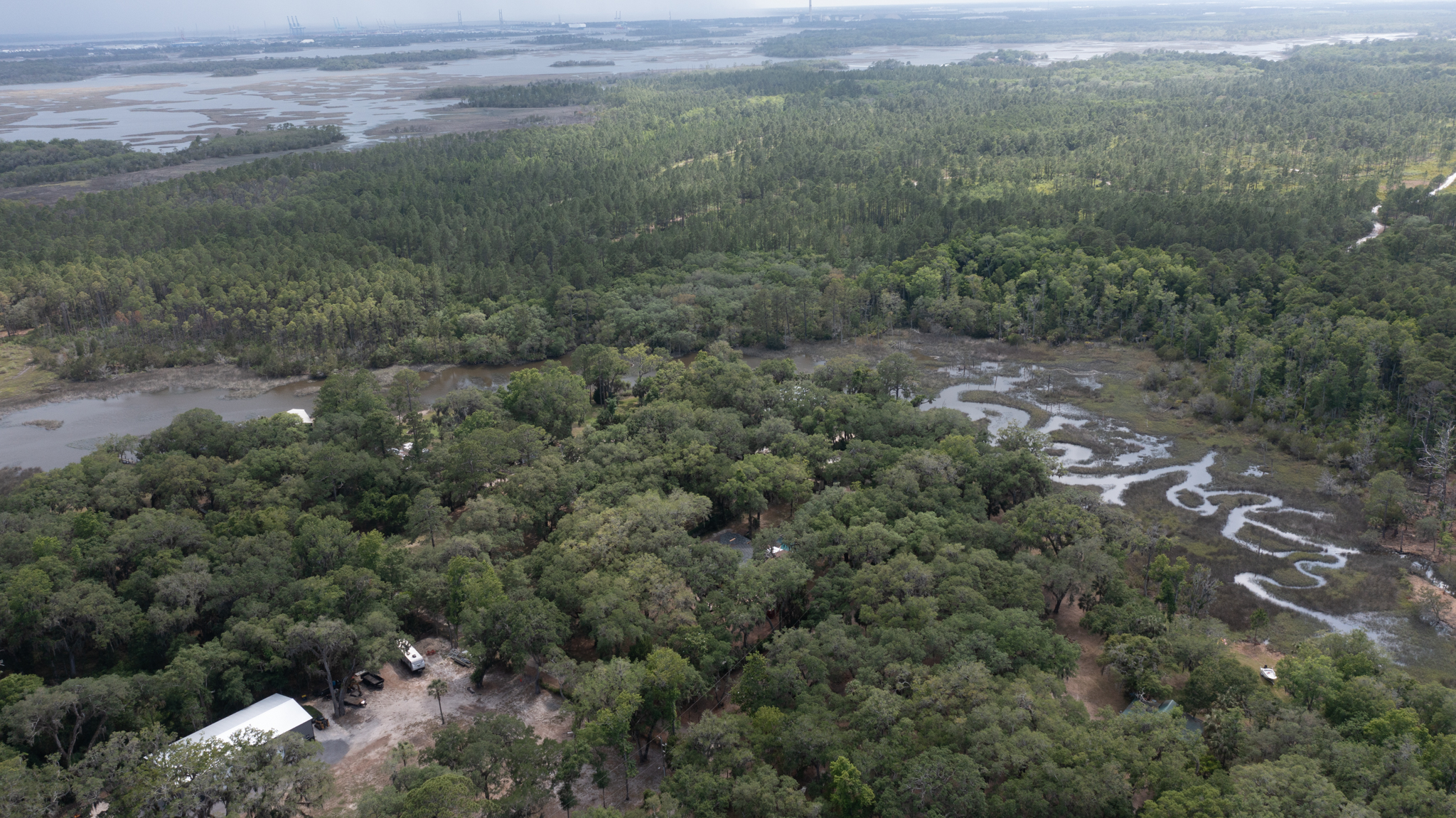
Oct. 23, 2026

How Much Is an Acre of Land Worth in North Florida in 2026?

Wondering how much your land is worth in North Florida? Whether you own one acre, five acres, 20 acres, or an entire farm, understanding what buyers are willing to pay is the first step toward determining your property's market value.

Land values in Florida can vary dramatically depending on location, acreage, zoning, road access, utilities, and what the property can actually be used for.

A one-acre residential lot in Keystone Heights may sell for a completely different price per acre than a 20-acre wooded property in Hawthorne or a 50-acre agricultural tract near Starke.

And waterfront property in Melrose? That's an entirely different market.

So, how much does one acre of land cost in North Florida in 2026?

Let's explore recent land sales, county-by-county prices, and the factors that determine what your property could be worth.

How Much Is One Acre of Land Worth in Florida in 2026?

There is no single price that applies to every acre of land in Florida.

According to Groundwork's analysis of recorded vacant-land transactions, the median sale price for vacant parcels of at least one acre in Northeast Florida was approximately $26,300 per acre for sales recorded from June 2025 through May 2026.

However, that figure includes a wide variety of properties across several counties.

A wooded parcel without legal access may be worth substantially less than a cleared, buildable lot with utilities and paved road frontage.

Similarly, land near Jacksonville or Gainesville may command different prices than rural acreage farther from major employment centers.

The most useful question isn't simply, "What does an acre cost?"

It's "What are buyers paying for land similar to mine, in my area, with the same features and development potential?"

North Florida Land Prices by County in 2026

To provide a useful starting point, here are reported median vacant-acreage sale prices from a regional land-sales dataset.

North Florida County Median Sale Price Per Acre
Duval County $70,600
Nassau County $35,500
Alachua County $27,000
Clay County $26,800
Baker County $18,000
Putnam County $15,500
Bradford County $13,600

Source: Groundwork Map, recorded vacant-land sales, June 2025–May 2026, for parcels of one acre or more.

These are countywide medians, not appraised values, listing recommendations, or guaranteed prices. They combine different property sizes, locations, and characteristics. Some counties have relatively small samples, and a parcel's actual value may differ significantly.

What Do These Numbers Tell Us?

Land prices are highly dependent on location.

Counties with stronger development pressure, population centers, or desirable residential markets may have higher median sale prices.

More rural counties may offer larger properties at lower prices per acre.

But county averages can be misleading.

For example, a premium lakefront lot in Putnam County could be worth considerably more per acre than a large wooded tract in the same county.

For an accurate estimate, recent comparable sales in the property's immediate market matter far more than a broad county average.

How Much Is Land Worth in Keystone Heights, Florida?

Keystone Heights is a popular area for buyers seeking small-town living, residential lots, and properties with more outdoor space.

Land values here depend heavily on location and property characteristics.

A parcel near an established residential neighborhood may attract a different buyer than acreage on a rural road.

Important considerations include:

  • Whether the property is buildable.

  • Proximity to lakes and established neighborhoods.

  • Road frontage and legal access.

  • Available electricity and utilities.

  • Lot size and topography.

  • Zoning and permitted residential uses.

  • Wetlands and floodplain conditions.

Is One Acre in Keystone Heights Worth More Than Five Acres?

Not necessarily in total value, but smaller parcels can command a higher price per acre.

A one-acre residential homesite may appeal to buyers looking to build a primary residence.

A five-acre parcel may appeal to buyers wanting privacy, room for animals, or space for outbuildings.

The larger parcel will often have a higher total value, but the price per acre may be lower.

For landowners in Keystone Heights, understanding the property's specific buyer audience is essential.

How Much Is Land Worth in Melrose, Florida?

Melrose offers a unique real estate market because of its combination of rural acreage, historic character, and waterfront properties.

Land near Lake Santa Fe and other local lakes may attract buyers looking for a custom home, recreational property, or waterfront lifestyle.

Waterfront vs. Non-Waterfront Land

Two parcels with identical acreage can have dramatically different market values.

For example:

Property A: One acre of wooded land without lake frontage.

Property B: One acre with direct lake frontage, legal access, and a potentially buildable homesite.

Property B may command a substantial premium because of its waterfront characteristics.

However, waterfront value depends on much more than having water on the property boundary.

Buyers should investigate:

  • Actual lake frontage.

  • Water depth and shoreline conditions.

  • Flood zones and wetlands.

  • Dock and boathouse permitting.

  • Building setbacks.

  • Legal access.

  • Whether the property can support a residence.

For Melrose landowners, these features can have a significant influence on value.

How Much Is Land Worth in Hawthorne, Florida?

Hawthorne attracts buyers interested in country living, recreational acreage, agricultural land, and larger residential properties.

Properties may range from small wooded lots to expansive farms and rural tracts.

What Makes Hawthorne Acreage Valuable?

Buyers often look for:

  • Five or more acres.

  • Road frontage.

  • Cleared homesites.

  • Electricity availability.

  • Agricultural or residential zoning.

  • Suitable land for wells and septic systems.

  • Fencing and usable pasture.

  • Workshops, barns, or other improvements.

A property that is already cleared, accessible, and suitable for the buyer's intended use may be more attractive than an otherwise similar parcel requiring substantial preparation.

However, improvements do not always add their full installation cost to the property's resale value.

The local market determines how much buyers are willing to pay.

How Much Is Land Worth in Starke and Bradford County?

Bradford County offers a mix of residential land, rural acreage, agricultural properties, and commercial development opportunities.

According to the regional vacant-land dataset, the countywide median for parcels of one acre or more was approximately $13,600 per acre during the June 2025–May 2026 reporting period.

That figure should not be used to price a particular parcel without further analysis.

Land along a major highway may have different market potential than wooded acreage accessed by a private road.

Likewise, a five-acre residential tract and a 50-acre agricultural property serve different buyers.

Factors that can influence Bradford County land values include:

  • Highway frontage.

  • Proximity to Starke and major transportation routes.

  • Zoning.

  • Residential development potential.

  • Agricultural usability.

  • Legal access.

  • Existing improvements.

If you're considering selling land in Starke, Lawtey, Hampton, or surrounding communities, recent sales of similar parcels provide the most useful pricing evidence.

How Much Is Land Worth in Gainesville and Alachua County?

Alachua County includes both urban and rural land markets.

A parcel near Gainesville may attract buyers interested in residential development, commercial uses, or future investment potential.

Land farther from the city may appeal to buyers looking for agricultural use, recreation, or country living.

The countywide median reported for vacant acreage of one acre or more was approximately $27,000 per acre during the referenced period.

But location within the county can make a substantial difference.

For example, land near Gainesville, Alachua, High Springs, Newberry, and LaCrosse may have different market characteristics.

Does Being Near Gainesville Increase Land Value?

Proximity to Gainesville can influence demand, particularly when a property offers convenient access to employment, shopping, schools, or major roads.

However, value also depends on zoning, available infrastructure, property condition, and development restrictions.

Not every parcel near a growing city can be subdivided or developed.

Buyers and sellers should verify permitted uses with the appropriate local government.

How Much Is Land Worth in Jacksonville and Clay County?

Jacksonville and surrounding Northeast Florida communities include residential lots, large rural parcels, commercial land, and potential development sites.

Land values in Duval County can differ significantly from those in Clay County, particularly in rural areas near Middleburg, Green Cove Springs, and Keystone Heights.

Some buyers prioritize proximity to Jacksonville, while others are willing to travel farther for additional acreage and privacy.

Important value drivers include:

  • Access to major highways.

  • Residential development potential.

  • Public water and sewer availability.

  • Nearby employment and services.

  • Floodplain conditions.

  • Road frontage.

  • Zoning and land-use restrictions.

A parcel with access to public utilities and an established road network may appeal to a broader range of buyers than a remote property requiring substantial infrastructure.

How Much Is Agricultural Land Worth in Florida in 2026?

Agricultural land is valued differently from smaller residential lots.

According to the USDA's 2026 agricultural land values data, Florida's statewide average farm real estate value was approximately $9,150 per acre.

That figure represents the value of land and buildings on farms, rather than the price of a typical residential lot.

Agricultural land values depend on factors such as:

  • Soil quality.

  • Irrigation.

  • Drainage.

  • Crop productivity.

  • Pasture condition.

  • Fencing.

  • Farm buildings.

  • Access to markets.

  • Property size.

For example, irrigated farmland with established infrastructure may command a premium over unimproved acreage.

Is Agricultural Land Cheaper Than Residential Land?

It often has a lower price per acre than smaller residential lots, but there are many exceptions.

High-quality agricultural properties, land near expanding communities, and parcels with development potential may attract substantial buyer interest.

It's also important to distinguish agricultural zoning from agricultural property tax classification.

In Florida, agricultural classification generally depends on qualifying bona fide agricultural use and is not automatically granted because a property is zoned agricultural.

8 Factors That Determine How Much Your Land Is Worth

If you're trying to determine the value of your property, these are some of the most important considerations.

1. Location

Location affects nearly every real estate transaction.

Land near desirable communities, paved roads, employment centers, or recreational amenities may attract more buyers.

2. Acreage

Larger properties often sell for a lower price per acre than smaller homesites.

This doesn't necessarily mean the larger property is less valuable overall.

3. Zoning and Permitted Uses

Zoning helps determine what buyers may legally do with the property.

A parcel intended for a single-family home may have a different market than land suitable for agricultural or commercial uses.

4. Road Frontage and Legal Access

A property with direct paved road frontage may be easier to access and develop.

Land without recorded legal access can present financing, construction, and resale challenges.

5. Utilities

Electricity, water, sewer, and other infrastructure can influence a property's desirability.

Land without these services may require additional investment.

6. Wetlands and Flood Zones

A property may contain acreage that cannot be developed as expected.

Floodplain restrictions, wetlands, and environmental conditions can reduce the amount of usable land.

7. Clearing and Improvements

Cleared homesites, fencing, wells, barns, and other improvements may contribute to market value.

However, their value depends on condition, permitted use, and buyer demand.

8. Recent Comparable Sales

This is one of the most important factors.

The sale prices of similar properties provide evidence of what buyers have recently been willing to pay.

How Do You Calculate the Price Per Acre of Land?

The basic formula is simple:

Property Sale Price ÷ Number of Acres = Price Per Acre

For example:

Property Sale Price Acreage Price Per Acre
$40,000 1 acre $40,000
$100,000 5 acres $20,000
$180,000 10 acres $18,000
$300,000 20 acres $15,000
$500,000 50 acres $10,000

These are hypothetical examples to demonstrate the calculation, not actual North Florida comparable sales.

Notice how the price per acre decreases as the parcel size increases.

This pattern can occur in real estate because smaller residential parcels may appeal to a wider range of individual buyers, while larger tracts require a greater total investment.

But the relationship isn't universal.

Premium waterfront property, commercial frontage, and development potential can significantly change pricing.

Is Cleared Land Worth More Than Wooded Land?

Sometimes, but not always.

Cleared land may appeal to buyers who want to build a home, establish pasture, or avoid extensive site preparation.

Wooded land can also be desirable for buyers seeking privacy, recreation, shade, or a natural setting.

In some cases, mature trees are a valuable feature.

The key is understanding the property's likely buyer.

A residential buyer may prefer a partially cleared lot with attractive trees.

An agricultural buyer may prioritize usable pasture.

A recreational buyer may prefer heavily wooded acreage.

Clearing land before selling isn't automatically the best financial decision.

Before spending money on improvements, consider whether the expected increase in sale price justifies the cost.

Does Waterfront Land Cost More in North Florida?

Waterfront land often commands a premium, particularly when it offers desirable views, usable frontage, and an appropriate homesite.

North Florida has numerous lakes, rivers, and waterfront communities.

However, not every waterfront parcel has the same value.

Factors to investigate include:

  • Whether the property directly touches the water.

  • Lake or river characteristics.

  • Shoreline conditions.

  • Dock restrictions.

  • Flood risk.

  • Buildable area.

  • Legal access.

  • Nearby comparable waterfront sales.

For example, a parcel with direct frontage on Lake Santa Fe may appeal to a different buyer than a wooded parcel with community lake access.

Both can be desirable, but they are not interchangeable when determining market value.

How Do I Find Out What My Land Is Worth in Florida?

There are several ways to begin researching your property's value.

Step 1: Find Your Parcel Information

Start with your county property appraiser's website.

Look for:

  • Parcel identification number.

  • Acreage.

  • Property boundaries.

  • Tax classification.

  • Recorded improvements.

  • Assessed and just values.

Keep in mind that a property's tax assessment may not equal what it could sell for on the open market.

Step 2: Review Zoning

Contact the applicable county or municipality to confirm zoning and permitted uses.

Don't assume a property is buildable simply because neighboring parcels have homes.

Step 3: Research Recent Land Sales

Look for properties that have sold recently with similar acreage, access, location, and characteristics.

Closed sales are generally more informative than asking prices alone.

Step 4: Evaluate the Property's Features

Consider road frontage, utilities, wetlands, clearing, topography, and improvements.

Step 5: Request a Local Land Market Analysis

A real estate professional familiar with North Florida land can help evaluate comparable sales and current competition.

For complex properties or situations requiring a formal valuation, a qualified land appraiser may also be appropriate.

Should You Sell Your Land in North Florida in 2026?

If you've owned vacant land for years, inherited property, or simply have acreage you no longer use, you may be wondering whether now is the right time to sell.

The answer depends on several factors:

  • Current buyer demand in your area.

  • Your property's condition and features.

  • Recent comparable sales.

  • Your financial goals.

  • Property taxes and ongoing expenses.

  • Your preferred selling timeline.

Some owners discover that their property has characteristics buyers are actively searching for.

Others may benefit from addressing access questions, surveying the land, or clarifying zoning before listing.

The first step is understanding what your property could realistically sell for.

Frequently Asked Questions About North Florida Land Values

How much is one acre of land worth in North Florida in 2026?

Values vary significantly. A regional vacant-acreage dataset reported a median of approximately $26,300 per acre in Northeast Florida for June 2025–May 2026. Individual parcels may sell for substantially more or less depending on location, size, and usability.

How much is five acres worth in Florida?

There is no universal price. Five acres of wooded rural land may have a very different value from five acres with paved frontage, utilities, and development potential. Recent comparable sales are needed for a meaningful estimate.

How much is 10 acres of land worth in North Florida?

Ten-acre property values depend on county, access, zoning, improvements, and how much of the land is usable. Multiplying a general county median by 10 may produce a misleading estimate.

Is wooded land valuable in Florida?

Yes. Wooded land can appeal to buyers seeking privacy, recreation, residential homesites, or other permitted uses. Its value depends on location, access, and physical characteristics.

Does a well or septic system increase land value?

Existing infrastructure can improve a property's appeal, but the contribution to value depends on its condition, permits, suitability, and the local market.

Is land worth more if it's zoned agricultural?

Not necessarily. Agricultural zoning can support certain uses, but value depends on what buyers can legally and practically do with the property.

Can I find out what my land is worth for free?

You can begin by reviewing public property records and recent sales. For a more tailored estimate, contact a local real estate professional for a comparative market analysis.

How do I sell vacant land in North Florida?

Start by gathering parcel information, confirming access and zoning, researching comparable sales, and developing a pricing and marketing strategy.

Find Out What Your North Florida Land May Be Worth

Your land could be worth more—or less—than a simple online price-per-acre estimate suggests.

Whether you own a residential lot in Keystone Heights, waterfront land in Melrose, acreage in Hawthorne, farmland near Starke, or vacant property around Gainesville or Jacksonville, understanding the local market is essential.

At CB Isaac Realty, we work with buyers and sellers throughout North Florida, helping property owners evaluate their real estate options and market their properties effectively.

If you're considering selling, don't rely on a statewide average or an automated estimate alone.

Curious What Your Land Could Sell For?

CLICK HERE TO REQUEST YOUR FREE PROPERTY VALUE ESTIMATE

Or contact our team to discuss your vacant land, acreage, farm, waterfront lot, or commercial property.

CB Isaac Realty
352-475-2199
www.cbisaacrealty.com

Thinking about buying instead? Explore available properties and discover opportunities throughout North Florida.

BROWSE NORTH FLORIDA REAL ESTATE

Oct. 22, 2026

Is Fall a Good Time to Buy a House in Florida? 7 Reasons to Consider Buying in 2026

Thinking about buying a house in Florida? You might not have to wait until spring to find the right home—or a great opportunity.

When most people think about buying a home, they picture spring and summer. But what many buyers don't realize is that fall can be one of the most advantageous times of the year to purchase real estate in Florida.

With fewer buyers competing for properties, potential price reductions, and opportunities to negotiate, the fall housing market can offer advantages that are easy to overlook.

Whether you're searching for a home in Jacksonville, Gainesville, Keystone Heights, Melrose, Hawthorne, Starke, Orange Park, Middleburg, or surrounding North Florida communities, understanding the seasonal housing market can help you make a more informed decision.

So, is fall 2026 a good time to buy a house in Florida?

For some buyers, absolutely! Here's why.

1. There May Be Less Competition From Other Homebuyers

One of the biggest potential advantages of buying a house during the fall is reduced competition.

Spring and summer are traditionally popular seasons for real estate activity. Families often prefer moving during school breaks, and warmer weather encourages more people to explore the housing market.

By October and November, some of that activity begins to slow.

This can create opportunities for buyers who are still actively searching.

With fewer competing buyers, you may experience:

  • Fewer multiple-offer situations.

  • More time to evaluate available properties.

  • Less pressure to make immediate decisions.

  • Greater flexibility when scheduling showings.

  • More opportunities to negotiate contract terms.

However, not every property will experience reduced competition.

Well-priced homes in desirable locations can still attract considerable interest regardless of the season.

The advantage of fall isn't that every home becomes easier to buy. It's that some buyers may face less competition than they would during peak selling months.

2. Fall Can Bring More Home Price Reductions

If you've been watching Florida real estate listings throughout the summer, you may notice that some homes remain available as the seasons change.

Sellers whose properties haven't attracted the expected interest may decide to adjust their asking prices.

This creates an opportunity for buyers to explore homes that may now fit their budgets.

Why Do Sellers Reduce Prices in the Fall?

There are several possible reasons:

  • The original asking price was too high.

  • The home has been listed longer than expected.

  • The seller wants to relocate before the end of the year.

  • A previous purchase contract fell through.

  • The property needs repairs or updating.

  • Market conditions have changed.

A price reduction doesn't necessarily mean something is wrong with the home.

Sometimes it simply means the seller is adjusting their expectations to better reflect current buyer demand.

Does a Price Reduction Mean You're Getting a Good Deal?

Not automatically.

A home reduced from $350,000 to $325,000 may look appealing, but the important question is whether the property is competitively priced compared with similar recently sold homes.

Buyers should consider:

  • Recent comparable sales.

  • Property condition.

  • Location.

  • Days on market.

  • Necessary repairs.

  • Current competition.

A lower asking price can be an opportunity, but understanding the home's market value is what helps determine whether it's a good purchase.

3. Sellers May Be More Willing to Negotiate

Buying a home isn't just about the purchase price.

The terms of the contract can also make a meaningful difference.

During slower periods, some sellers may be more open to discussing:

  • Purchase price adjustments.

  • Seller contributions toward allowable closing costs.

  • Repair requests.

  • Closing date flexibility.

  • Certain appliances or fixtures.

  • Other negotiated contract terms.

For example, a buyer might prefer a seller credit toward closing expenses instead of a lower purchase price.

Depending on the buyer's financing and the seller's circumstances, that arrangement may be worth discussing.

What Are Seller Concessions?

Seller concessions are contributions or credits that a seller agrees to provide as part of a purchase agreement.

They can sometimes help reduce a buyer's upfront expenses.

However, seller contributions must comply with applicable loan program requirements, and sellers aren't obligated to offer them.

Fall may provide opportunities to negotiate, but the strength of your offer should still reflect the property's value and local market conditions.

4. Homes May Spend More Time on the Market

When buyer activity slows, some homes remain listed longer.

This can benefit buyers who want more time to compare their options.

Rather than rushing to make an offer, you may have an opportunity to:

  • Tour multiple properties.

  • Compare floor plans and neighborhoods.

  • Research property history.

  • Review available disclosures.

  • Evaluate potential repair costs.

  • Make a more informed purchasing decision.

Does a Home With More Days on Market Have a Problem?

Not necessarily.

A property may remain on the market because of its asking price, location, unique features, or a smaller pool of interested buyers.

For example, a large acreage property in Hawthorne may attract a different audience than a traditional single-family home in Jacksonville.

Similarly, a luxury lakefront residence in Melrose may take longer to find the right buyer than a more conventional residential property.

Longer market time can create opportunities, but buyers should still complete appropriate inspections and due diligence.

5. Fall Is a Great Time to Evaluate a Home's Condition

Florida's fall season can provide a useful opportunity to evaluate how a property handles changing weather conditions.

Although North Florida doesn't experience the same winter conditions as many northern states, buyers should still pay attention to important property features.

What Should You Inspect When Buying a Florida Home?

Consider evaluating:

Roof Condition: Florida roofs are especially important because of heat, rain, wind exposure, and insurance considerations.

Drainage: Look for areas where water collects near the home or foundation.

HVAC System: Ask about the age, maintenance, and condition of the heating and cooling equipment.

Windows and Doors: Inspect for signs of water intrusion, damaged seals, or deterioration.

Exterior Structures: Review fences, decks, porches, sheds, garages, and other improvements.

Well and Septic Systems: If purchasing a rural property, investigate the condition and suitability of these systems.

Flood Risk: Review flood maps and consider obtaining insurance quotes before purchasing.

Don't Skip the Home Inspection

Even if a property appears well-maintained, a professional home inspection can help identify potential issues.

Additional inspections may be appropriate depending on the home's age, location, and features.

A fall purchase should be approached with the same careful evaluation as a purchase during any other season.

6. Fall Can Be an Opportunity for Buyers Looking for Land, Acreage, or Waterfront Homes

North Florida's real estate market offers more than traditional subdivision homes.

Buyers can explore a wide variety of properties, including:

  • Lakefront residences.

  • Homes with deeded lake access.

  • Country homes with acreage.

  • Properties with workshops and metal buildings.

  • Rural homes with room for recreational vehicles.

  • Residential lots and vacant land.

  • Homes suitable for renovation.

These properties often require additional research.

For example, buyers interested in acreage should investigate zoning, legal access, utilities, wetlands, and permitted uses.

Waterfront buyers should review shoreline conditions, dock permits, lake access rights, and insurance considerations.

Fall can be a convenient time to evaluate these properties before making plans for the following year.

Looking for a Home in North Florida?

Explore available residential listings, including homes in Keystone Heights, Melrose, Hawthorne, Starke, Gainesville, Jacksonville, and surrounding communities.

BROWSE HOMES FOR SALE IN NORTH FLORIDA

7. You May Be Able to Move Into Your New Home Before the New Year

For buyers who are financially prepared, purchasing a home during the fall may provide an opportunity to move before the beginning of the next year.

This can be especially appealing if you're:

  • Relocating for work.

  • Moving closer to family.

  • Purchasing your first home.

  • Looking for more space.

  • Downsizing.

  • Planning a lifestyle change.

However, closing timelines depend on financing, inspections, title work, insurance, and other transaction requirements.

Holiday schedules may also affect the availability of lenders, inspectors, closing professionals, and other parties.

If moving before the new year is important, communicate your timeline early and make sure your contract allows sufficient time to complete the transaction.

What Does the Florida Housing Market Look Like in Fall 2026?

Understanding the broader market can help explain why fall may present opportunities for buyers.

According to Florida Realtors' September 2026 housing market report, the statewide median sale price for single-family homes was $415,000, representing a 1.2% increase compared with September 2025.

Meanwhile, statewide single-family closed sales declined 3.5% year over year.

These figures suggest that while some buyers are taking a more cautious approach, home prices have remained relatively resilient.

What About Northeast Florida?

The Northeast Florida Association of REALTORS reported the following September 2026 statistics for its six-county market area:

Market Indicator September 2026
Median single-family home price $399,000
Median days on market 36 days
Active inventory 6,287 homes
Months of housing supply 4 months
Closed sales 1,581

These statistics show that buyers had a meaningful selection of available homes, although market conditions varied by county and price range.

Important: Regional and statewide figures don't necessarily represent individual communities such as Melrose, Keystone Heights, Hawthorne, or Starke.

Local comparable sales and current inventory are more useful when evaluating a specific property.

Is October or November a Better Month to Buy a House in Florida?

Both months can offer potential advantages.

Buying a House in October

October may provide a balance between available inventory and reduced competition.

Buyers may still find homes listed during the summer, including properties that have undergone price adjustments.

Buying a House in November

November may bring additional negotiating opportunities with certain motivated sellers.

However, fewer new listings may become available as the holiday season approaches.

What About December?

Some buyers continue searching through December, particularly those relocating or hoping to complete a purchase before the new year.

Seller motivation can vary, and the selection of homes may be more limited.

The best month to buy is ultimately the month when you find a suitable property at a price and monthly payment you can comfortably afford.

Should You Buy a House in Fall 2026 or Wait Until Spring 2027?

This is one of the most important questions for buyers considering entering the market.

There are potential advantages to both options.

Buying in Fall 2026 Waiting Until Spring 2027
Potentially less buyer competition May offer more newly listed homes
Possible seller negotiation opportunities More time to save money
Opportunity to move sooner More time to improve credit
Can evaluate currently available properties Mortgage rates and prices may change
May encounter price reductions Future affordability is uncertain

Waiting isn't automatically better, and buying now isn't automatically the right decision.

Mortgage rates, property prices, and inventory can change in either direction.

Rather than trying to predict the market perfectly, consider whether you're financially prepared and whether the right property is available.

Where Should You Look for Homes in North Florida This Fall?

North Florida offers a variety of communities for buyers with different budgets and lifestyles.

Keystone Heights, Florida

Keystone Heights offers residential neighborhoods, lake-area properties, and homes with larger lots.

Buyers looking for small-town living may want to explore the area's available housing options.

Melrose, Florida

Melrose is known for its charming atmosphere, Lake Santa Fe, and surrounding waterfront communities.

Homebuyers can explore traditional residences, lakefront properties, and homes with acreage.

Hawthorne, Florida

Hawthorne offers opportunities for buyers interested in country living, larger lots, and rural residential properties.

Starke, Florida

Starke features residential neighborhoods and access to surrounding Bradford County communities.

Gainesville, Florida

Gainesville offers a wide range of housing styles, established neighborhoods, and access to nearby rural communities.

Jacksonville and Clay County

Jacksonville, Orange Park, Middleburg, Fleming Island, and Green Cove Springs offer a broad selection of residential real estate.

The right community depends on your budget, commute, property preferences, and lifestyle.

5 Tips for Buying a Home in Florida This Fall

1. Get Preapproved Before Shopping

Understanding your financing options can help you establish a realistic budget and make stronger offers.

2. Compare Homes That Have Recently Sold

Don't rely solely on asking prices. Recent comparable sales can help you understand what similar properties have actually sold for.

3. Watch for Price Reductions

A price adjustment may be worth investigating, especially if the home meets your needs.

4. Understand the Full Cost of Homeownership

Include mortgage payments, property taxes, homeowners insurance, flood insurance where applicable, HOA fees, and maintenance expenses.

5. Work With a Local Real Estate Professional

A real estate professional familiar with North Florida can help you evaluate listings, understand neighborhood differences, and navigate the buying process.

Frequently Asked Questions About Buying a House in Florida During Fall

Is fall really a good time to buy a house in Florida?

It can be. Some buyers experience less competition, more time to compare properties, and opportunities to negotiate. However, local inventory and affordability are important considerations.

Are houses cheaper in Florida during the fall?

Some properties may experience seasonal price adjustments, but lower prices aren't guaranteed. Pricing depends on local demand, property condition, and other market factors.

Do sellers negotiate more during the fall?

Some sellers may be more flexible after their homes have spent additional time on the market. However, every seller's circumstances are different.

Is it better to buy in October or wait until November?

October may offer more choices, while November may provide opportunities with certain sellers. The best timing depends on your financial readiness and available homes.

Should I wait for mortgage rates to drop?

Mortgage rates are difficult to predict. Consider your current affordability and speak with a qualified lender rather than relying on expectations about future rates.

Can first-time homebuyers purchase a home in the fall?

Absolutely. First-time buyers can purchase during any season, provided they meet financing requirements and find a suitable property.

Find Your Next Home in North Florida This Fall

The right home doesn't always appear during the spring buying season. Sometimes, fall is when the opportunity you've been waiting for becomes available.

Whether you're searching for your first home, a larger property, a waterfront retreat, or a house with acreage, North Florida offers a wide variety of possibilities.

At CB Isaac Realty, we help buyers explore homes throughout Keystone Heights, Melrose, Hawthorne, Starke, Gainesville, Jacksonville, Orange Park, Middleburg, Green Cove Springs, and surrounding communities.

Our team understands that buying a home is about more than finding the right price. It's about finding a property that fits your needs, lifestyle, and future plans.

Ready to See What's Available?

Don't wait until spring to start exploring your options!

CLICK HERE TO BROWSE HOMES FOR SALE IN NORTH FLORIDA

View current listings, explore property photos, and discover homes that match your budget and preferences.

CB Isaac Realty
352-475-2199
www.cbisaacrealty.com

Helping North Florida buyers and sellers make informed real estate decisions throughout every season.


Disclaimer: Real estate market conditions vary by location and change over time. Seasonal patterns do not guarantee lower prices, increased negotiating power, or a particular financial outcome. Buyers should evaluate their finances, financing options, and individual property conditions before purchasing.

Oct. 21, 2026

Can You Buy a House in Florida With No Money Down? 2026 Loan Options Explained

Think you need $20,000 or more saved before you can buy a house in Florida? Think again!

One of the biggest misconceptions about buying a home is that you need a large down payment to qualify for a mortgage.

The truth is, some qualified buyers can purchase a home in Florida with 0% down, while others may qualify for low-down-payment mortgages or financial assistance that significantly reduces the amount of money needed upfront.

If you're currently renting, saving for your first home, or considering buying property in Jacksonville, Gainesville, Keystone Heights, Melrose, Hawthorne, Starke, or surrounding North Florida communities, understanding your financing options could help you take the next step toward homeownership.

So, can you really buy a house in Florida with no money down in 2026?

Yes! But it depends on your eligibility, the property you choose, and the mortgage program you use.

Let's explore the options.

1. Can You Really Buy a House With $0 Down in Florida?

Yes. Certain mortgage programs allow eligible buyers to finance up to 100% of a home's qualifying purchase price or appraised value, subject to program and lender requirements.

That means you may not need to make a traditional down payment.

However, there's an important distinction:

No down payment does not always mean no money needed at closing.

Even with a zero-down mortgage, buyers may encounter expenses such as:

  • Home inspections.

  • Appraisal fees.

  • Loan-related closing costs.

  • Homeowners insurance.

  • Prepaid property taxes.

  • Earnest money deposits.

  • Other transaction-specific expenses.

Fortunately, some assistance programs, negotiated seller credits, and eligible financing arrangements may help reduce these costs.

The first step is understanding which loan programs might work for you.

2. USDA Home Loans: Buy a House With No Down Payment in Eligible Areas

One of the most useful options for qualified North Florida homebuyers is the USDA home loan program.

USDA loans are designed to support homeownership in eligible rural and certain suburban communities.

One of their biggest advantages is that eligible borrowers may be able to purchase a home with no down payment.

What Are the Benefits of USDA Loans?

Depending on the program and borrower qualifications, benefits may include:

  • 0% down payment financing.

  • Competitive mortgage terms.

  • Opportunities for eligible low- and moderate-income households.

  • Financing for qualifying primary residences.

  • Access to homes in eligible rural and suburban locations.

Are USDA Loans Available in North Florida?

Potentially!

Many areas throughout North Florida may contain properties eligible for USDA financing.

Buyers exploring communities such as Keystone Heights, Melrose, Hawthorne, Starke, Lake Butler, Interlachen, and surrounding rural areas may find homes worth checking for eligibility.

However, USDA eligibility is determined by the specific property address, not simply by the city or ZIP code.

Not every home in these communities qualifies.

Who Qualifies for a USDA Loan?

Eligibility depends on factors including:

  • Property location.

  • Household income.

  • Credit and repayment ability.

  • Intended use as a primary residence.

  • Property condition and program requirements.

USDA offers different home loan programs, including guaranteed loans through approved lenders and direct loans for eligible applicants.

The programs have different qualification requirements.

Do USDA Loans Work for Homes With Acreage?

Some homes with acreage may qualify, provided they meet applicable program requirements.

However, USDA financing isn't automatically available for every farm, investment property, or large parcel.

Buyers should confirm the property's eligibility and intended use with their lender.

Helpful resource: USDA Rural Development Home Loans

3. VA Home Loans: Zero-Down Financing for Eligible Veterans and Service Members

If you're a qualifying veteran, active-duty service member, or eligible surviving spouse, a VA home loan may provide another opportunity to purchase a house with no down payment.

VA-backed loans are supported by the U.S. Department of Veterans Affairs and offered through participating lenders.

Benefits of VA Home Loans

Eligible buyers may benefit from:

  • No down payment in many qualifying transactions.

  • No monthly private mortgage insurance requirement.

  • Competitive loan terms.

  • Options for qualifying primary residences.

  • The possibility of using VA loan benefits more than once.

Who Can Qualify?

Eligibility generally depends on military service history, duty status, and other VA requirements.

Borrowers must also satisfy applicable lender credit, income, and underwriting standards.

A Certificate of Eligibility helps establish whether a buyer qualifies for the VA home loan benefit.

Are There Any Additional VA Loan Costs?

Some borrowers must pay a one-time VA funding fee.

The amount depends on factors such as the loan type, down payment, and whether the borrower has used the benefit previously.

Certain borrowers qualify for exemptions.

A VA loan may also require a down payment in some circumstances, such as when the purchase price exceeds the property's VA-established reasonable value.

Helpful resource: VA Home Loan Benefits

4. FHA Loans: Buy a House With as Little as 3.5% Down

What if you don't qualify for a USDA or VA loan?

An FHA loan may be another option.

FHA loans are insured by the Federal Housing Administration and are commonly considered by first-time homebuyers and other buyers looking for a relatively low down payment.

For eligible borrowers, the minimum down payment can be as low as 3.5%.

How Much Is 3.5% Down?

Home Purchase Price 3.5% Down Payment
$150,000 $5,250
$200,000 $7,000
$250,000 $8,750
$300,000 $10,500
$350,000 $12,250

These figures represent only the down payment, not the total cash needed to purchase the home.

Can You Use Down Payment Assistance With an FHA Loan?

Depending on the assistance program and eligibility requirements, some buyers may be able to combine FHA financing with approved down payment assistance.

FHA loans also generally require mortgage insurance, which affects the total cost of the loan.

Helpful resource: HUD FHA Home Loan Information

5. Conventional Loans: You May Not Need 20% Down

Another common misconception is that conventional mortgages always require a 20% down payment.

They don't.

Some qualifying conventional loan programs allow eligible buyers to purchase a primary residence with as little as 3% down.

Example: 3% Down Payment

On a $250,000 home, a 3% down payment would equal:

$7,500

That's considerably less than the $50,000 down payment required for 20%.

However, borrowers who put less than 20% down on many conventional mortgages generally need private mortgage insurance, or PMI.

Loan availability, interest rates, credit requirements, and mortgage insurance costs depend on the borrower and program.

For some buyers, comparing FHA and conventional financing can reveal meaningful differences in monthly payments and long-term costs.

6. Florida Down Payment Assistance Programs in 2026

What if you have a steady income and can afford a mortgage payment but haven't saved enough for the down payment and closing costs?

You may qualify for homebuyer assistance.

Florida offers programs designed to help eligible buyers overcome some of the upfront financial challenges of purchasing a home.

Florida Housing Finance Corporation Programs

The Florida Housing Finance Corporation offers homebuyer mortgage programs through participating lenders.

Eligible buyers may also qualify for down payment and closing cost assistance.

Depending on the program, assistance may be provided through a second mortgage with specific repayment terms.

For example, Florida Housing's FL Assist program offers qualifying buyers up to $10,000 in assistance, subject to current program rules and availability.

Important: Some assistance is deferred rather than forgiven. This means the buyer may need to repay it when certain events occur, such as selling or refinancing the home.

What Are the Requirements?

Requirements may include:

  • Minimum credit scores.

  • Household income limits.

  • Purchase price limits.

  • Homebuyer education.

  • Primary residence occupancy.

  • Use of a participating lender.

  • First-time homebuyer status or an applicable exception.

Assistance programs can change, and funding may be limited.

Local Homebuyer Assistance Programs

Some Florida counties and municipalities also offer assistance through local housing programs, including the State Housing Initiatives Partnership (SHIP).

Availability, funding, and eligibility differ by location.

Buyers interested in homes in Jacksonville, Gainesville, or smaller North Florida communities should ask about both statewide and local assistance opportunities.

Helpful resource: Florida Housing Homebuyer Programs

7. Which Florida Home Loan Requires the Least Money Down?

Here's a simple comparison of common mortgage options.

Loan Type Potential Minimum Down Payment General Eligibility
USDA 0% Qualified buyers and eligible properties
VA 0% Eligible veterans, service members, and certain surviving spouses
FHA 3.5% Qualified borrowers meeting FHA requirements
Conventional 3% Eligible borrowers and qualifying loan programs
Florida assistance programs Varies Eligible buyers using approved programs

Remember: A lower down payment doesn't automatically mean a lower monthly payment or lower overall borrowing cost.

Interest rates, mortgage insurance, loan fees, property taxes, and homeowners insurance all affect affordability.

8. Can You Buy a Home in Florida With No Money Out of Pocket?

In some circumstances, a buyer may be able to complete a purchase with very little cash due at closing.

This could involve a combination of:

  • Zero-down financing.

  • Eligible down payment assistance.

  • Seller-paid closing costs.

  • Approved lender credits.

  • Other permitted assistance or financing arrangements.

However, these options depend on program rules, lender approval, available assistance, and negotiated contract terms.

What Are Seller-Paid Closing Costs?

A seller may agree to contribute toward certain buyer closing expenses as part of the purchase agreement.

For example, a buyer might negotiate a credit toward allowable closing costs.

The amount and permitted uses depend on the mortgage program and transaction.

Seller credits do not automatically eliminate every upfront expense, and sellers are not required to agree to them.

9. What Credit Score Do You Need to Buy a House in Florida?

There is no single credit score requirement that applies to every mortgage program.

Different lenders and loan types have different underwriting standards.

For example:

  • FHA financing may be available to borrowers who meet applicable credit and down payment requirements.

  • Conventional loan eligibility depends on the particular program and lender.

  • USDA financing considers credit history and repayment ability.

  • VA loans do not establish one universal minimum credit score, although individual lenders may apply their own requirements.

  • Florida down payment assistance programs may have separate credit score minimums.

If you're unsure whether your credit is strong enough, speaking with a qualified mortgage lender can help you understand your options.

You may be closer to qualifying than you think.

10. Can First-Time Homebuyers Qualify for Zero-Down Loans?

Yes!

Being a first-time homebuyer does not prevent you from qualifying for a USDA or VA loan.

In fact, many first-time buyers explore these programs because they want to purchase a home without waiting years to save a large down payment.

However, not every zero-down program is limited to first-time buyers.

For example, eligible borrowers who have owned homes previously may still qualify for certain USDA or VA financing options, depending on program requirements.

Some down payment assistance programs have their own definition of a first-time homebuyer.

It's important to evaluate the specific program rather than assuming you're ineligible because you've owned property before.

11. Can You Buy a Manufactured Home With No Money Down?

North Florida has a wide variety of housing options, including manufactured homes on owned land.

Some government-backed mortgage programs may permit financing for eligible manufactured homes.

However, the property must meet applicable requirements involving construction standards, foundation, land ownership, condition, and other factors.

Not every manufactured home qualifies for every mortgage.

For buyers considering manufactured housing in Keystone Heights, Hawthorne, Starke, Melrose, or surrounding areas, it's especially important to verify financing eligibility before making an offer.

12. Where Can You Find Affordable Homes in North Florida?

If you're searching for a home that fits your budget, North Florida offers several communities worth exploring.

Keystone Heights, Florida

Keystone Heights offers a mix of traditional residential neighborhoods, lake-area properties, and homes with larger lots.

Buyers interested in a quieter setting may want to explore available properties in and around the area.

Melrose, Florida

Known for its lakes and small-town atmosphere, Melrose offers residential homes, country properties, and waterfront opportunities.

Hawthorne, Florida

Hawthorne may appeal to buyers searching for rural properties, homes with acreage, and a slower-paced lifestyle.

Starke, Florida

Starke offers a variety of residential properties and access to surrounding Bradford County communities.

Gainesville, Florida

Gainesville provides a range of housing options, from established neighborhoods to properties in surrounding communities.

Jacksonville and Clay County

Jacksonville, Orange Park, Middleburg, Green Cove Springs, and surrounding areas offer a broad selection of residential homes across different price ranges.

Keep in mind: A home's location, price, and condition all affect whether it qualifies for a particular mortgage program.

Ready to See What's Available?

BROWSE HOMES FOR SALE IN NORTH FLORIDA

Explore available properties, view photos, and discover homes that may fit your budget and lifestyle.

13. How Do You Start Buying a House With Little or No Money Down?

If you're considering purchasing a home in Florida, here are five practical steps to get started.

Step 1: Review Your Finances

Take a look at your income, savings, credit history, monthly debts, and current housing expenses.

Understanding your financial situation can help you identify a comfortable purchase budget.

Step 2: Talk to a Mortgage Lender

A qualified lender can evaluate your financial information and explain which mortgage programs you may be eligible for.

Ask specifically about USDA, VA, FHA, conventional low-down-payment options, and available assistance programs.

Step 3: Get Preapproved

A mortgage preapproval can help you understand your potential buying power before you begin seriously shopping for homes.

Preapproval is not a final loan commitment.

Step 4: Search for Eligible Homes

Once you know your approximate budget and loan options, you can begin exploring homes that fit your needs.

If you're considering USDA financing, verify the specific property's eligibility.

Step 5: Understand Your Total Monthly Payment

Your mortgage payment may include more than principal and interest.

Be sure to consider:

  • Property taxes.

  • Homeowners insurance.

  • Flood insurance, if applicable.

  • Mortgage insurance or applicable loan fees.

  • HOA dues, if any.

  • Maintenance and repair expenses.

Buying a home should fit your overall financial goals—not just the amount you're approved to borrow.

14. Is It Better to Buy Now or Keep Saving for a Down Payment?

There's no single answer for every buyer.

Waiting may allow you to save more money, improve your credit, or reduce the amount you need to borrow.

On the other hand, eligible buyers may discover that available financing programs allow them to purchase sooner than expected.

Consider your job stability, monthly budget, emergency savings, expected length of ownership, and the total cost of borrowing.

The right decision is the one that supports your financial situation and long-term plans.

Frequently Asked Questions About Buying a House With No Money Down in Florida

Can I buy a house in Florida with $0 down in 2026?

Yes. Qualified buyers may be eligible for zero-down USDA or VA financing. Property eligibility, lender requirements, and other program rules apply.

Do I need to be a first-time homebuyer to get a USDA loan?

Not necessarily. USDA financing is not exclusively for first-time buyers, although borrowers must satisfy the applicable program requirements.

Can I get down payment assistance if I already owned a home?

Possibly. Some assistance programs offer exceptions or define first-time homebuyers based on whether an applicant owned and occupied a primary residence during a specified period.

Are USDA loans only for farms?

No. USDA home loans are intended to support eligible residential homeownership in qualifying areas. Buyers do not need to purchase a farm.

Can I use a VA loan more than once?

Yes, eligible borrowers may be able to use their VA home loan benefit more than once, subject to entitlement and other requirements.

Does no down payment mean no closing costs?

No. Closing costs and other upfront expenses may still apply, even when the mortgage does not require a down payment.

Find Your Next Home in North Florida With CB Isaac Realty

You may not need as much money saved as you think to become a homeowner in Florida.

Whether you're a first-time buyer, relocating to North Florida, or simply exploring your options, understanding the available mortgage programs can help you make a more informed decision.

At CB Isaac Realty, we help buyers explore homes throughout Keystone Heights, Melrose, Hawthorne, Starke, Gainesville, Jacksonville, Orange Park, Middleburg, Green Cove Springs, and surrounding North Florida communities.

From starter homes and country properties to waterfront residences and homes with acreage, our team can help you search for properties that fit your goals.

A participating mortgage lender can help determine which financing programs you qualify for.

Ready to Start Your Home Search?

Don't let the assumption that you need a 20% down payment keep you from exploring your options.

CLICK HERE TO EXPLORE HOMES FOR SALE IN NORTH FLORIDA

Browse current listings, view property photos, and find a home that fits your needs.

CB Isaac Realty
352-475-2199
www.cbisaacrealty.com

Helping North Florida buyers and sellers navigate real estate with confidence.


Disclaimer: This article is for general educational purposes and is not a mortgage offer, financing commitment, or guarantee of loan approval. Loan programs, assistance amounts, income limits, credit requirements, and funding availability may change. Buyers should consult an approved mortgage lender for current terms and individual eligibility.

Oct. 20, 2026

How Much Does It Cost to Sell a House in Florida? A 2026 Seller's Guide

Thinking about selling your home in Florida? Before putting that "For Sale" sign in the yard, it's important to understand how much selling your house could actually cost—and how much money you might walk away with at closing.

Whether you're selling a home in Jacksonville, Gainesville, Melrose, Keystone Heights, Hawthorne, Starke, or anywhere in North Florida, knowing your potential selling expenses can help you plan ahead, price strategically, and avoid unexpected surprises.

Many homeowners focus on the asking price, but the amount your home sells for isn't necessarily the amount you'll receive.

Between real estate commissions, closing costs, mortgage payoffs, repairs, and other expenses, your final proceeds can vary significantly.

So, how much does it really cost to sell a house in Florida in 2026?

Let's break it down.

1. What Are the Typical Costs of Selling a House in Florida?

There isn't one fixed percentage that every Florida homeowner pays when selling.

Your total costs depend on several factors, including your home's sale price, location, mortgage balance, property condition, negotiated contract terms, and the services you choose.

Common expenses may include:

  • Real estate agent compensation.

  • Florida documentary stamp taxes on the deed.

  • Title insurance and closing-related fees.

  • Prorated property taxes.

  • Repairs or improvements before selling.

  • Buyer concessions negotiated in the contract.

  • Mortgage payoff and related charges.

  • Moving expenses.

  • HOA or condominium-related fees, if applicable.

Some expenses are relatively predictable, while others depend on the specific transaction.

The best way to estimate your selling costs is to calculate them using your expected sale price and a realistic breakdown of your expenses.

Before you start calculating, it helps to know what your home may be worth in today's market.

Find Out What Your North Florida Home May Be Worth

2. How Much Are Realtor Commissions in Florida?

Real estate agent compensation is often one of the largest expenses associated with selling a home.

However, there is no standard or legally required real estate commission rate in Florida.

Commission amounts and payment arrangements are negotiable.

The compensation a seller agrees to pay depends on the listing agreement, the services provided, and any additional terms negotiated during the transaction.

Does the Seller Pay Both Real Estate Agents?

Not necessarily.

Depending on the agreement and transaction structure, a seller may agree to compensate their listing brokerage and may also negotiate payment toward a buyer's brokerage compensation.

Alternatively, buyer brokerage compensation may be handled through a separate agreement or negotiated arrangement.

Sellers should review their listing agreement carefully and understand what services and compensation are included.

Example of Negotiated Commission Costs

For illustration only, here's what different total commission arrangements would equal on a $300,000 home sale:

Example Rate Total Compensation
4% $12,000
5% $15,000
6% $18,000

These percentages are hypothetical examples, not standard, required, or recommended commission rates.

What sellers should know: Ask your real estate professional to explain the proposed compensation structure and how it affects your estimated proceeds.

3. What Closing Costs Does a Home Seller Pay in Florida?

In addition to negotiated real estate compensation, sellers may be responsible for certain closing costs.

The exact amount depends on the property's location, the purchase contract, and local customs.

Florida Documentary Stamp Tax on the Deed

Florida generally charges documentary stamp tax when real property is transferred.

For most Florida counties, including those throughout North Florida, the general rate is:

$0.70 per $100 of consideration, or portion thereof.

For example:

Sale Price Estimated Deed Documentary Stamp Tax
$200,000 $1,400
$300,000 $2,100
$400,000 $2,800
$500,000 $3,500

These examples assume the sale price equals the taxable consideration and no special exemptions or adjustments apply.

Miami-Dade County has different rules for certain transfers.

The contract generally determines which party is responsible for this tax.

Title Insurance and Settlement Fees

Title-related expenses may include:

  • Title searches.

  • Owner's title insurance.

  • Settlement or closing fees.

  • Document preparation.

  • Recording-related charges.

  • Other transaction-specific services.

Who pays for title insurance and certain closing expenses can vary based on the county, contract, and negotiated terms.

In some North Florida transactions, sellers pay for the owner's title insurance policy, while in others the buyer may be responsible.

Always review your purchase contract and estimated settlement statement rather than assuming a particular expense belongs to the seller.

4. Will You Owe Property Taxes When Selling Your Florida Home?

Florida property taxes are generally paid in arrears.

This means sellers commonly provide a credit at closing for their share of property taxes covering the portion of the year they owned the home.

For example, if you sell your home partway through the year, the closing statement may include a tax proration reflecting your period of ownership.

The calculation depends on the closing date, available tax information, and contract terms.

What Happens to Your Homestead Exemption?

Florida's homestead exemption can reduce the taxable value of a qualifying primary residence.

When ownership changes, the buyer's eligibility and future tax assessment may differ from the seller's.

Sellers should also understand that their current property tax bill may not represent what the next owner will pay.

If you're planning to purchase another Florida homestead, you may want to investigate whether you're eligible for Save Our Homes assessment portability.

For property-specific tax questions, consult the county property appraiser or a qualified tax professional.

5. Should You Make Repairs Before Selling Your House?

One expense sellers sometimes overlook is the cost of preparing a home for the market.

Not every property needs a major renovation before being listed.

In fact, spending thousands of dollars on improvements doesn't guarantee you'll recover that investment when the home sells.

However, certain repairs and presentation improvements may help attract buyers.

Common Pre-Listing Expenses

These might include:

  • Interior painting.

  • Landscaping and yard cleanup.

  • Minor plumbing or electrical repairs.

  • Replacing damaged fixtures.

  • Professional cleaning.

  • Pressure washing.

  • Flooring repairs.

  • Roof or HVAC maintenance.

  • Decluttering and staging.

What About Selling a House As-Is?

Some sellers choose to market their properties in their current condition.

An as-is sale may appeal to homeowners who don't want to complete significant repairs before selling.

However, selling as-is does not eliminate applicable disclosure obligations or automatically prevent buyers from requesting inspections or negotiating terms.

For homeowners selling older houses, fixer-uppers, inherited properties, or homes requiring substantial work, discussing an as-is pricing strategy may be worthwhile.

The goal isn't necessarily to make your house perfect. It's to determine which improvements make financial sense for your particular property and market.

6. What Are Seller Concessions?

Seller concessions are expenses or credits a seller agrees to provide as part of a real estate transaction.

For example, a buyer may request that the seller contribute toward certain allowable closing costs.

Other negotiations may involve repairs, credits, or price adjustments.

Concessions can sometimes help a transaction move forward, but they also affect how much money the seller receives.

Example

Suppose your home sells for $300,000 and you agree to provide a $5,000 closing-cost credit to the buyer.

That $5,000 generally reduces your proceeds, assuming the credit is permitted under the buyer's financing terms and the contract.

Seller concessions are negotiable and aren't required in every transaction.

7. What Happens to Your Mortgage When You Sell?

If you still owe money on your house, your outstanding mortgage balance will generally be paid off using the sale proceeds at closing.

Your mortgage payoff may include more than the principal balance shown on your most recent statement.

It can also include accrued interest, applicable fees, and other amounts required to satisfy the loan.

If you have a home equity loan, HELOC, or other lien secured by the property, those obligations may also need to be addressed.

Example

If you sell your home for $350,000 and owe $180,000 on your mortgage, the difference is $170,000.

However, that isn't necessarily your final profit.

You must still account for selling expenses, any other liens, and other applicable adjustments.

This is why it's important to distinguish between home equity, sale proceeds, and actual profit.

8. How Much Money Will You Make Selling Your House?

Let's look at a hypothetical example of a Florida home selling for $300,000.

The following figures are for illustration only and are not a quote or estimate for a specific property.

Example: Selling a $300,000 Home in Florida

Item Estimated Amount
Home sale price $300,000
Negotiated real estate compensation (example: 5%) -$15,000
Documentary stamp tax on deed -$2,100
Illustrative title and settlement expenses -$1,500
Illustrative property tax proration -$2,000
Illustrative repairs and preparation -$3,000
Mortgage payoff -$150,000
Estimated proceeds $126,400

In this example, the seller receives approximately $126,400 at closing.

The actual amount could be higher or lower depending on contract terms, taxes, loan payoff, closing expenses, concessions, and other adjustments.

The example excludes moving expenses, potential income taxes, additional liens, and other property-specific costs.

Important: Your proceeds at closing are not necessarily your taxable gain or your net investment profit.

9. Do You Have to Pay Capital Gains Tax When Selling Your Florida Home?

Florida does not impose an individual state income tax, but federal income tax may apply to certain gains from selling real estate.

For qualifying primary residences, federal law generally allows eligible taxpayers to exclude up to:

  • $250,000 of gain for certain individual filers.

  • $500,000 of gain for certain married couples filing jointly.

Eligibility depends on requirements such as ownership, use, and other applicable tax rules.

The exclusion applies to qualifying gain—not the total sale price or cash received at closing.

Investment properties, rental homes, second homes, and inherited properties may be subject to different tax treatment.

For questions about your specific situation, consult a qualified tax professional.

10. Does It Cost More to Sell a Waterfront Home or Property With Acreage?

North Florida offers many property types beyond traditional subdivision homes.

Depending on the property, selling expenses may differ for:

  • Lakefront residences.

  • Homes with acreage.

  • Manufactured homes.

  • Rural properties with well and septic systems.

  • Homes with workshops or detached buildings.

  • Farms and agricultural land.

  • Investment properties.

For example, a lakefront home may require additional attention to docks, seawalls, waterfront improvements, or insurance considerations.

A rural property may raise questions about surveys, easements, septic systems, access roads, or permitted structures.

These factors don't automatically make a property more expensive to sell, but they can influence preparation, negotiations, and due diligence.

Working with professionals familiar with the specific property type can help sellers understand what to expect.

11. How Can You Reduce the Cost of Selling Your House?

While some selling expenses are unavoidable, there are ways to manage costs and make informed financial decisions.

Price Your Home Strategically

A competitive asking price can help attract qualified buyers and reduce the risk of extended time on the market.

Avoid Unnecessary Renovations

Focus on improvements that are appropriate for the home's condition and local buyer expectations.

Understand Your Negotiated Expenses

Review agent compensation, closing-cost responsibilities, and any proposed concessions before signing agreements.

Prepare Your Property for Marketing

Clean, well-presented homes with quality photography and accurate descriptions can make a stronger impression on buyers.

Request a Seller Net Proceeds Estimate

A seller net sheet can provide a clearer picture of your potential proceeds after estimated expenses and mortgage payoff.

This can help you compare different offer scenarios and make more informed decisions.

12. Is 2026 a Good Time to Sell a House in North Florida?

Whether it's the right time to sell depends on your circumstances and local market conditions.

Factors to consider include:

  • Your home's estimated market value.

  • The amount of equity you have.

  • Your current mortgage terms.

  • Competing homes for sale.

  • Recent comparable sales.

  • Buyer demand in your area.

  • Your plans after selling.

  • The costs associated with keeping the property.

Real estate markets can vary considerably across North Florida.

A lakefront home in Melrose may have a different buyer pool than a traditional residence in Jacksonville or an acreage property in Hawthorne.

That's why local comparable sales and current competition are important when evaluating a selling strategy.

Rather than trying to predict the perfect time to sell, focus on understanding your property's value, potential expenses, and personal goals.

Selling a Home in North Florida? Start With Your Property's Value.

If you're thinking about selling your home in Melrose, Keystone Heights, Hawthorne, Starke, Gainesville, Jacksonville, Orange Park, Middleburg, or surrounding North Florida communities, understanding your home's potential market value is one of the most important first steps.

At CB Isaac Realty, we help homeowners explore their real estate options, understand local market conditions, and prepare for the selling process.

Whether you own a traditional residential home, lakefront property, country home with acreage, or investment property, knowing what your home may be worth can help you begin planning.

Wondering How Much You Could Walk Away With?

Your home's estimated selling price is only one part of the equation.

To understand your potential proceeds, you'll also want to consider your mortgage payoff, closing expenses, and other costs.

Start by finding out what your North Florida property may be worth.

CLICK HERE TO REQUEST YOUR PROPERTY VALUATION

Or contact our team to discuss your real estate goals.

CB Isaac Realty
352-475-2199
www.cbisaacrealty.com

Helping North Florida homeowners make informed decisions when buying and selling real estate.


Disclaimer: All figures are illustrative. Actual selling costs, compensation arrangements, tax obligations, and net proceeds depend on the individual transaction. This article provides general information and is not legal, tax, or financial advice.

Oct. 19, 2026

Lakefront vs. Lake-Access Homes in North Florida: What's the Difference?

Dreaming of living near the water in North Florida? Before buying, it's important to understand the difference between a lakefront home and a lake-access property.

North Florida is known for its beautiful lakes, peaceful waterfront communities, and opportunities to enjoy boating, fishing, kayaking, and outdoor recreation. From Lake Santa Fe in Melrose to the lakes surrounding Keystone Heights, Hawthorne, Interlachen, and Gainesville, buyers have a variety of options when searching for a home near the water.

But not every property advertised as having lake access is actually located on the lake.

Understanding the difference between lakefront homes and lake-access homes can help you choose the right property, understand your ownership rights, and avoid unexpected surprises.

Whether you're looking for a full-time residence, weekend retreat, or waterfront getaway, here's what you should know before purchasing a home near one of North Florida's lakes.

1. What Is a Lakefront Home?

A lakefront home is a property with land that directly borders a lake.

Unlike a home located near a lake, a lakefront property typically offers direct water frontage, allowing homeowners to enjoy lake views and access the shoreline from their own property, subject to applicable restrictions.

Depending on the location and property features, a lakefront home may include:

  • Direct views of the water.

  • Private shoreline frontage.

  • An existing dock or boat lift.

  • Space for waterfront entertaining.

  • Convenient access for kayaking, boating, or fishing.

  • Outdoor living areas overlooking the lake.

For many buyers, the biggest appeal of lakefront living is convenience.

Imagine enjoying your morning coffee while overlooking the water, spending an afternoon boating, or watching the sunset from your backyard.

In communities surrounding Lake Santa Fe, Swan Lake, Lake Geneva, George's Lake, and other North Florida lakes, waterfront homes offer a lifestyle that's difficult to replicate with a traditional residential property.

Does Owning Lakefront Property Mean You Own Part of the Lake?

Not necessarily.

Waterfront ownership boundaries and water-use rights depend on the property's legal description, the type of waterbody, and applicable Florida law.

A property's shoreline location does not automatically establish ownership of the lakebed or unrestricted rights to construct docks and other improvements.

Before purchasing, buyers should review the survey, title information, and any applicable waterfront regulations.

2. What Is a Lake-Access Home?

A lake-access home is a property that provides some form of access to a nearby lake without necessarily being located directly on the shoreline.

These homes may be situated across the street, within a neighborhood, or a short distance from the water.

Lake access can be provided through:

  • A recorded easement.

  • Deeded access rights.

  • A community boat ramp.

  • A shared dock.

  • A neighborhood waterfront lot.

  • A homeowners association or community amenity.

For example, a home in Melrose may offer deeded access to Swan Lake even though the house itself is not waterfront.

Similarly, some neighborhoods around Lake Santa Fe offer community docks, boat ramps, or shared lake access.

What Does Deeded Lake Access Mean?

Deeded lake access generally means that a property benefits from documented legal rights allowing access to a lake through a particular route or area.

However, the specific rights depend on the recorded documents.

Some access arrangements may permit walking to the water, while others may allow boating, dock use, or other activities.

Deeded lake access does not automatically guarantee the right to install a private dock, store a boat, or use every part of a shared waterfront area.

Buyers should confirm the exact rights, restrictions, maintenance obligations, and transferability of any lake-access arrangement before purchasing.

3. Lakefront vs. Lake Access: What's the Biggest Difference?

Although both property types can provide opportunities to enjoy the water, the ownership experience can be very different.

Feature Lakefront Home Lake-Access Home
Direct shoreline frontage Typically yes Typically no
Water views from the home Often Depends on location
Access to the lake From the property, subject to legal and physical conditions Through a designated access point
Private dock potential May be possible with approvals Depends on recorded rights and regulations
Purchase price Often higher for comparable properties Often more affordable
Waterfront maintenance May be the owner's responsibility Depends on access arrangement
Boating convenience Often more direct Depends on access location and rules
Shared facilities Not always required May involve community amenities

Neither option is automatically better.

The right choice depends on your budget, lifestyle, intended use, and how frequently you plan to enjoy the lake.

4. Are Lakefront Homes More Expensive Than Lake-Access Homes?

In many markets, direct waterfront properties command a premium compared with otherwise similar homes that only provide access to the water.

However, pricing depends on much more than whether a property touches a lake.

Factors that can influence the value of a North Florida lake property include:

  • Which lake the property is located on.

  • Amount of shoreline frontage.

  • Water depth and navigability.

  • Lake views and shoreline conditions.

  • Dock and boat lift availability.

  • Home size, age, and condition.

  • Lot size and usable land.

  • Flood exposure and insurance costs.

  • Water access rights and restrictions.

  • Recent comparable property sales.

For example, a home directly on Lake Santa Fe with a private dock may appeal to a different buyer pool than a smaller home offering community lake access.

Both may be desirable, but they provide different experiences and should be evaluated accordingly.

Is a Lake-Access Home a Better Value?

For buyers who want to enjoy boating, fishing, or kayaking without paying for direct waterfront frontage, a lake-access property may offer an attractive alternative.

You may be able to enjoy many of the same recreational opportunities while purchasing a home at a lower price than a comparable waterfront property.

However, the value of lake access depends on how convenient, reliable, and usable those rights actually are.

The important question isn't just whether a home has lake access. It's what that access allows you to do.

5. What Should Buyers Know About Docks and Boat Lifts?

For many North Florida lake buyers, having a dock or boat lift is a major priority.

But waterfront structures come with important considerations.

Before purchasing a property with an existing dock, buyers should investigate:

  • Whether the dock was properly permitted.

  • The dock's structural condition.

  • Whether repairs or replacement may require approval.

  • Water depth around the dock.

  • Boat lift condition and capacity.

  • Whether the dock is private or shared.

  • Any association or government restrictions.

Buyers considering new dock construction should verify the applicable requirements with the appropriate permitting authorities.

In Florida, dock construction or modification may involve local governments, the Florida Department of Environmental Protection, water management districts, or other agencies, depending on the property and proposed work.

Never assume that buying a waterfront lot automatically gives you permission to build the dock you want.

6. What About Flood Zones and Waterfront Insurance?

Flood exposure is another important consideration when comparing lakefront and lake-access homes.

A home located directly on a lake may have different flood risks than a property farther from the shoreline.

However, being near a lake does not automatically mean a property is in a high-risk flood zone, and being outside a designated high-risk zone does not eliminate flood risk.

Before purchasing, buyers should investigate:

  • The property's FEMA flood zone.

  • Available flood insurance options.

  • Homeowners insurance costs.

  • Previous flooding or water intrusion.

  • Drainage conditions.

  • Shoreline erosion.

  • Any lender-required insurance coverage.

You can review general flood information through the FEMA Flood Map Service Center.

Insurance requirements and costs vary by property, insurer, and financing arrangement.

For buyers comparing multiple lake properties, obtaining insurance quotes before committing to a purchase can help clarify the total cost of ownership.

7. Are There HOA Fees or Lake-Access Restrictions?

Some North Florida lake communities have homeowners associations, while others do not.

A lake-access property may provide access through a community lot, private road, dock, or boat ramp maintained by an association.

Depending on the community, owners may have responsibilities involving:

  • HOA dues.

  • Dock maintenance.

  • Boat ramp upkeep.

  • Shared waterfront landscaping.

  • Parking restrictions.

  • Boat storage rules.

  • Guest access limitations.

  • Community access hours.

Other properties may have deeded access without an HOA, but recorded easements or agreements may still establish restrictions and maintenance responsibilities.

Before buying, review the recorded documents and ask who is responsible for maintaining the access area.

8. Can You Use a Lake-Access Property for Boating and Fishing?

Possibly, but the answer depends on the specific access rights and lake conditions.

Some lake-access properties offer convenient boat ramp access, while others may only provide a walking path to the shoreline.

Buyers interested in boating should confirm:

  • Whether motorized boats are permitted.

  • Whether a boat ramp is available.

  • Whether trailers can be parked or stored.

  • Whether the lake has seasonal water-level fluctuations.

  • Whether there are boating restrictions.

  • Whether the access point is suitable for their boat.

  • Whether the lake connects to other waterways.

For fishing enthusiasts, lake characteristics, public regulations, and access arrangements may also influence the experience.

North Florida offers numerous lakes with different recreational opportunities, so it's worth researching the specific waterbody rather than assuming all lakes provide the same activities.

9. What Should You Check Before Buying a Lakefront or Lake-Access Home?

Before making an offer on a lake property in North Florida, it's helpful to complete additional due diligence.

Verify the Property Boundaries

Review a current survey to understand the lot lines, shoreline frontage, easements, and any encroachments.

Confirm Legal Lake Access

If the property is advertised as having deeded or community lake access, request the recorded documents establishing those rights.

Inspect Waterfront Structures

Have qualified professionals evaluate docks, boat lifts, seawalls, and other relevant improvements.

Research Water Levels and Shoreline Conditions

Some Florida lakes experience changing water levels. Investigate how seasonal conditions may affect access, boating, and shoreline use.

Review Insurance and Maintenance Costs

Consider the long-term expenses associated with owning and maintaining the property.

Understand the Rules

Confirm zoning, HOA requirements, access restrictions, and any necessary permits for your intended activities.

Taking these steps can help buyers make informed decisions before purchasing a lakefront or lake-access property.

10. Where Can You Find Lakefront and Lake-Access Homes in North Florida?

North Florida offers a variety of communities where buyers can explore waterfront and lake-access real estate.

Melrose, Florida

Melrose is especially appealing to buyers interested in Lake Santa Fe and the surrounding lake communities.

Properties may include direct waterfront homes, canal-front residences, and homes with deeded or community lake access.

The area's small-town atmosphere and natural surroundings make it a popular consideration for buyers seeking a quieter lifestyle.

Keystone Heights, Florida

Keystone Heights is known for its lakes and residential neighborhoods.

Buyers can explore homes near Lake Geneva, Brooklyn Lake, and other local waterways, with property features and water access varying by location.

Hawthorne, Florida

Hawthorne offers opportunities to explore lakefront homes, rural residences, and properties with acreage.

Buyers interested in privacy, fishing, and outdoor recreation may find a variety of property types throughout the area.

Interlachen and Putnam County

Interlachen and surrounding Putnam County communities offer additional lake-area real estate opportunities.

Properties range from smaller residential homes to larger parcels and waterfront lots.

Gainesville and Surrounding Communities

Buyers looking for lake-area living with access to Gainesville may also consider nearby communities in Alachua, Bradford, Clay, and Putnam counties.

The best location will depend on your preferred lake, commute, property features, and budget.

11. Which Is Better: Lakefront or Lake Access?

The answer comes down to what matters most to you.

A lakefront home may be the better fit if you:

  • Want direct views of the water.

  • Prefer immediate shoreline access.

  • Enjoy boating frequently.

  • Want a private waterfront entertaining space.

  • Are comfortable with potentially higher ownership and maintenance costs.

A lake-access home may be the better fit if you:

  • Want to enjoy lake recreation without paying for direct frontage.

  • Prefer a lower purchase price compared with similar waterfront properties.

  • Don't need water views from your home.

  • Are comfortable using a shared or designated access point.

  • Want to prioritize home size, acreage, or other features over shoreline ownership.

Ultimately, both options can provide an enjoyable North Florida lifestyle.

The key is understanding exactly what you're purchasing.

Find Lakefront and Lake-Access Homes for Sale in North Florida

Whether you're dreaming of a waterfront home on Lake Santa Fe, a house with deeded Swan Lake access, or a peaceful property near one of Keystone Heights' beautiful lakes, CB Isaac Realty can help you explore your options.

Our team works with buyers and sellers throughout Melrose, Keystone Heights, Hawthorne, Interlachen, Gainesville, Starke, Jacksonville, and surrounding North Florida communities.

From lakefront homes with private docks to affordable lake-access properties, we understand that every buyer has different priorities.

Ready to Explore Homes Near the Water?

BROWSE HOMES FOR SALE IN NORTH FLORIDA

View available listings, explore property photos, and find homes that match your lifestyle and budget.

Thinking About Selling Your Lakefront or Lake-Access Property?

Waterfront frontage, deeded access, docks, boat lifts, shoreline conditions, and location can all influence a property's market value.

If you're considering selling, understanding how your property compares with other lake-area homes is an important first step.

FIND OUT WHAT YOUR NORTH FLORIDA PROPERTY MAY BE WORTH

CB Isaac Realty
352-475-2199
www.cbisaacrealty.com

Helping buyers and sellers navigate North Florida real estate, from lakefront homes and waterfront retreats to acreage and residential properties.

Oct. 16, 2026

Commercial Property for Sale in Hawthorne, FL | 7,646 Sq. Ft. on US 301

Looking for commercial real estate in North Florida with highway frontage, warehouse space, and room to grow your business?

Located at 5616 SE US Highway 301 in Hawthorne, Florida, this commercial property offers a unique opportunity for business owners, investors, and entrepreneurs seeking a versatile location in Alachua County.

Offered at $2,000,000, the property features approximately 7,646 square feet across two commercial buildings, situated on 1.72 acres with approximately 329 feet of paved frontage along US Highway 301.

Whether you're searching for retail space, a commercial warehouse, a distribution location, or a property that combines customer-facing operations with storage and workspace, this listing deserves a closer look.

VIEW ALL PROPERTY PHOTOS, FULL DETAILS & REQUEST A PRIVATE SHOWING

Commercial Property at a Glance

Address: 5616 SE US Highway 301, Hawthorne, FL 32640

Asking Price: $2,000,000

Property Type: Commercial Real Estate

Total Building Area: Approximately 7,646 Sq. Ft.

Land Area: Approximately 1.72 Acres

Highway Frontage: Approximately 329 Feet on US Highway 301

Buildings: Two Commercial Structures

Location: Hawthorne, Alachua County, Florida

MLS Number: 2165260

This combination of highway exposure, existing commercial improvements, and warehouse space creates opportunities for a variety of business operations, subject to zoning and applicable approvals.

1. Prime Commercial Frontage on US Highway 301

One of the property's most notable features is its location directly along US Highway 301 in Hawthorne, Florida.

With approximately 329 feet of paved highway frontage, the property offers substantial road exposure and a recognizable location for businesses serving customers throughout the surrounding region.

US Highway 301 is an important north-south transportation corridor connecting communities and commercial destinations across Florida.

For businesses that rely on customer access, deliveries, equipment transportation, or a combination of retail and warehouse operations, highway frontage can be a significant consideration.

The property is also located near the Love's Travel Stop area.

According to the listing information, a traffic signal has been proposed or planned near the travel stop and property. Buyers should independently verify the status, timing, and potential impact of any future roadway improvements.

For companies looking to establish or expand their presence in North Florida, this location offers an opportunity to evaluate commercial space outside larger metropolitan centers.

2. Two Commercial Buildings With 7,646 Square Feet of Space

Unlike properties offering only vacant commercial land or a single-purpose building, 5616 SE US Highway 301 includes two existing commercial structures.

The layout provides separate areas that could support different aspects of a business.

Front Commercial Building: Approximately 2,896 Sq. Ft.

The front building provides approximately 2,896 square feet of commercial space.

It currently accommodates a retail-oriented business offering products such as feed, hay, parts, fencing supplies, and work boots.

Its existing use demonstrates how the space can accommodate customer-facing sales and merchandise displays.

Depending on a buyer's needs and applicable land-use requirements, the building may be suitable for other retail, service, or business operations.

Having a separate front commercial building can be especially useful for businesses that want a dedicated area for customer interactions while keeping storage and operational functions elsewhere on the property.

Rear Metal Warehouse and Shop: Approximately 4,950 Sq. Ft.

Behind the front building is a substantial metal warehouse/shop building offering approximately 4,950 square feet.

This structure adds considerable functionality for businesses requiring storage, workspace, equipment accommodation, or operational space.

Together, the two buildings provide approximately 7,646 square feet of existing commercial improvements.

EXPLORE THE TWO BUILDINGS & VIEW PROPERTY PHOTOS

3. Warehouse Features Designed for Commercial Operations

For buyers specifically searching for a warehouse for sale near Gainesville or commercial shop space in Alachua County, the rear building is an important feature.

According to the property listing, the metal warehouse includes:

  • Approximately 4,950 square feet of space.

  • A building described as measuring approximately 50 by 95 feet, plus an apron.

  • 400-amp, three-phase electrical service.

  • A sprinkler system.

  • A reinforced concrete floor.

  • Plumbing provisions for two bathrooms.

  • Metal construction.

The listing describes the concrete floor as reinforced with rebar, although buyers should verify the slab thickness and specifications before planning heavy equipment or industrial uses.

Why Is Three-Phase Power Important?

Three-phase electrical service can be beneficial for certain commercial and industrial applications.

Depending on electrical capacity and equipment requirements, it may support machinery, shop equipment, motors, and other business systems.

The property's listed 400-amp, three-phase electrical service may be especially relevant to businesses evaluating the space for specialized operations.

Prospective buyers should have a qualified professional verify the electrical system and its suitability for their intended use.

4. Approximately 1.72 Acres of Commercial Property

The buildings are situated on approximately 1.72 acres, offering more than just interior square footage.

The property includes a chain-link-fenced area and existing site improvements.

For business owners, outdoor space can be an important factor when evaluating commercial real estate.

Depending on the permitted use and property layout, acreage may provide room for vehicle access, outdoor storage, deliveries, or other business-related activities.

The parcel's combination of commercial buildings and highway frontage makes it worth considering for businesses that need both indoor and outdoor operational space.

Any proposed changes, expansion, storage use, or redevelopment should be evaluated with the appropriate local authorities.

5. Existing Utilities and Commercial Infrastructure

Purchasing an improved commercial property can offer advantages over starting with vacant land.

At 5616 SE US Highway 301, the listing identifies several existing utility connections and improvements.

These include:

  • Connected electricity.

  • Connected water.

  • Connected sewer.

  • Central air conditioning in the listed improvements.

  • Metal roofing.

  • Existing commercial structures.

  • Fencing and paved highway frontage.

For buyers comparing commercial buildings with undeveloped land, these features may help narrow down the potential costs and steps involved in establishing operations.

However, any proposed business use should be evaluated for necessary repairs, code compliance, utility capacity, permitting, and renovation requirements.

6. Potential Uses for This Hawthorne Commercial Property

One of the property's most appealing characteristics is the combination of a customer-facing commercial building and a large rear warehouse.

Depending on zoning, licensing, building requirements, and other approvals, prospective buyers may wish to investigate uses such as:

  • Retail sales and merchandise distribution.

  • Building materials or contractor supply operations.

  • Equipment and parts sales.

  • Commercial storage and warehouse operations.

  • Service-oriented businesses.

  • Trade businesses requiring shop and storage space.

  • Businesses combining retail sales with inventory storage.

These are potential uses to investigate, not representations that every activity is currently permitted.

Before purchasing, buyers should confirm allowable uses with the appropriate Alachua County or municipal planning and zoning authority.

7. An Opportunity for Business Owners and Commercial Investors

Commercial real estate buyers often consider more than a property's asking price.

Important questions may include:

Does the location support the intended business?

The highway frontage and existing retail use may appeal to businesses seeking a recognizable, accessible location.

Is there enough space for current operations?

With two buildings totaling approximately 7,646 square feet, the property offers distinct areas for different business functions.

Could the property accommodate future operational needs?

The combination of warehouse space and acreage may provide flexibility, depending on the buyer's plans and applicable regulations.

What improvements or approvals would be required?

Buyers should review building condition, permitted uses, utilities, access, insurance, and any renovation requirements.

For investors, evaluating potential rental demand, operating expenses, and alternative uses may also be part of the due-diligence process.

No particular rental income, appreciation, or investment return is guaranteed.

8. What About the Existing Business and Inventory?

The property currently houses a business offering merchandise such as feed, hay, fencing materials, parts, and work boots.

The asking price includes the land and two commercial buildings.

According to the listing, the existing inventory is not included in the $2,000,000 asking price, but may be separately negotiated.

Buyers interested in acquiring inventory or discussing any additional business-related assets should request clarification regarding what is available and what would be included in a potential transaction.

Why Consider Commercial Real Estate in Hawthorne, Florida?

Hawthorne is part of the broader North Florida region and offers access to nearby communities, including Gainesville, Melrose, Waldo, and other areas of Alachua and Putnam counties.

For certain business owners, a Hawthorne location may offer an alternative to properties in more densely developed commercial districts.

Commercial buyers evaluating the area should consider local customer demand, highway access, transportation requirements, zoning, workforce availability, and their specific operational needs.

For businesses that value an established location with existing improvements, this US Highway 301 property offers a distinctive combination of features.

Schedule a Private Tour of 5616 SE US Highway 301

If you're searching for commercial property for sale in Hawthorne, FL, warehouse space in Alachua County, or a retail and warehouse property along US Highway 301, this listing offers several features worth exploring.

With two commercial buildings, approximately 7,646 square feet, 1.72 acres, and approximately 329 feet of highway frontage, the property presents an opportunity for buyers looking to establish, relocate, or expand their operations in North Florida.

Property Details

5616 SE US Highway 301
Hawthorne, FL 32640
Asking Price: $2,000,000
MLS #2165260

View Photos, Full Property Details & Request a Showing

CLICK HERE TO EXPLORE 5616 SE US HIGHWAY 301

Browse the property photos, review additional listing information, and request a private showing directly through our website.

CB Isaac Realty
Phone: 352-475-2199
Website: https://www.cbisaacrealty.com

Listing Courtesy of Naomi Janace Armistead | CB Isaac Realty

Property information is based on the listing and should be independently verified. Square footage, acreage, building specifications, permitted uses, utilities, and planned roadway improvements are subject to verification.

Oct. 14, 2026

Why Isn't My House Selling? 7 Reasons Homes Sit on the Market

You've listed your house, the photos are online, and the "For Sale" sign is in the yard. But weeks have passed, showings are slowing down, and you still haven't received an offer.

Now you're wondering: Why isn't my house selling?

It's a frustrating situation for homeowners, especially when you've invested time, money, and effort into preparing your property for sale.

The good news is that a home sitting on the market doesn't necessarily mean something is wrong with the property. Sometimes, a few adjustments to pricing, presentation, or marketing can make a meaningful difference.

If you're trying to sell a home in Melrose, Keystone Heights, Hawthorne, Starke, Gainesville, Jacksonville, or surrounding North Florida communities, understanding why properties aren't attracting buyers is an important first step.

Here are seven common reasons homes sit on the market—and what sellers can do about them.

1. Your Home May Be Priced Too High

One of the most common reasons a house doesn't sell is its asking price.

Every homeowner wants to get the most money possible for their property. However, there's a difference between what a seller hopes to receive and what buyers are willing to pay in the current market.

Today's buyers can easily compare homes online. They're looking at square footage, location, condition, upgrades, lot size, and competing properties.

If your home is priced significantly higher than similar properties, buyers may simply move on to another listing.

How to Know if Your House Is Overpriced

Some potential warning signs include:

  • Very few showing requests despite online exposure.

  • Similar homes selling while yours remains available.

  • Repeated feedback that the property is priced too high.

  • Competing properties offering more features at similar prices.

  • An extended time on market compared with relevant local listings.

A Comparative Market Analysis (CMA) can help determine whether your asking price aligns with recent sales and current competition.

What to do: Review your home's price using recently sold comparable properties, active listings, pending sales, and current market conditions. A strategic price adjustment may help attract buyers who previously overlooked your property.

Wondering whether your asking price matches today's market?

Find Out What Your North Florida Property May Be Worth

2. Your Listing Photos Aren't Making a Strong First Impression

For many buyers, the first showing happens online.

Before scheduling an appointment, potential buyers are scrolling through property photos, comparing listings, and deciding which homes deserve a closer look.

That means your listing photography can have a major influence on whether someone clicks on your property.

Dark rooms, blurry images, cluttered spaces, poor camera angles, or missing photos of important features can make a home less appealing than it actually is.

What Makes Real Estate Photos Effective?

Strong listing photography should showcase:

  • Bright, welcoming living spaces.

  • The home's layout and natural light.

  • Updated kitchens and bathrooms.

  • Bedrooms and functional living areas.

  • Outdoor entertaining spaces.

  • Garages, workshops, and additional structures.

  • Acreage, waterfront, or other standout property features.

In North Florida, where properties often include larger lots, waterfront access, detached buildings, and unique outdoor amenities, it's especially important to show buyers everything a property has to offer.

What to do: Consider professional real estate photography, updated listing images, virtual tours, and a better photo order that highlights your property's strongest features first.

3. Your Home Isn't Reaching the Right Buyers

Even a beautiful home at a competitive price can struggle if buyers aren't seeing it.

Simply putting a property on the market doesn't guarantee that every interested buyer will find it.

An effective real estate marketing strategy should consider where buyers are searching and how the property is being presented.

Depending on the listing, marketing may include:

  • Multiple Listing Service (MLS) exposure.

  • Real estate websites and online property searches.

  • Social media promotion.

  • Facebook and Instagram advertising.

  • Professional listing descriptions.

  • Virtual property tours.

  • Email marketing.

  • Property-specific online campaigns.

Different Properties Need Different Marketing Strategies

A lakefront home in Melrose may appeal to a different audience than a starter home in Keystone Heights or a large acreage property in Hawthorne.

A waterfront buyer may prioritize lake access, docks, views, and boating opportunities.

An acreage buyer may focus on privacy, usable land, workshops, and outbuildings.

A traditional residential buyer may be more interested in floor plans, location, condition, and affordability.

What to do: Make sure your listing emphasizes the features that matter most to its likely buyers and is being promoted through appropriate marketing channels.

4. Your Home's Condition May Be Turning Buyers Away

Not every buyer is looking for a completely renovated home.

However, visible maintenance issues can cause buyers to question what additional repairs might be needed.

Peeling paint, damaged flooring, outdated fixtures, roof concerns, or neglected landscaping may influence how buyers perceive the property.

Sometimes, relatively small issues create a bigger impression than sellers expect.

Do You Need to Renovate Before Selling?

Not necessarily.

Major renovations don't always produce a dollar-for-dollar return when a property sells.

Instead, sellers should focus on improvements that are practical for their home, price range, and market.

These might include:

  • Deep cleaning.

  • Decluttering.

  • Touch-up painting.

  • Minor repairs.

  • Landscaping improvements.

  • Replacing broken fixtures.

  • Addressing obvious maintenance concerns.

For homes with larger lots or acreage, maintaining the driveway, clearing overgrown areas, and improving access to outdoor features may also help buyers appreciate the property.

What to do: Evaluate which repairs could improve buyer confidence and which expenses may not be worthwhile before listing or adjusting your marketing strategy.

5. Buyers May Be Having Trouble Scheduling Showings

If buyers can't easily see your home, they may move on to another property.

Showing availability can make a difference, particularly when buyers have limited time or are traveling from another city.

This is especially relevant in North Florida, where some buyers may be relocating from Jacksonville, Gainesville, other parts of Florida, or out of state.

A buyer traveling to view several properties may not be able to return another day if a home is unavailable.

How to Make Your Home Easier to Show

Consider:

  • Allowing reasonable showing flexibility.

  • Keeping the home clean and ready for appointments.

  • Responding promptly to showing requests.

  • Making arrangements for pets when needed.

  • Providing clear property access instructions.

  • Keeping exterior areas presentable.

What to do: Work with your real estate professional to create a showing schedule that balances your needs with buyer accessibility.

The easier it is for qualified buyers to tour your property, the more opportunities you may have to generate serious interest.

6. Your Home May Not Stand Out From the Competition

Buyers rarely evaluate just one property.

They're comparing several homes, often within a similar price range and geographic area.

If competing listings offer newer roofs, updated kitchens, larger lots, better layouts, or additional amenities, buyers may perceive those homes as better values.

That doesn't mean your property has to be the newest or most updated home on the market.

It means buyers need a compelling reason to choose it.

What Makes Your Property Different?

Think about the features that set your home apart.

For North Florida properties, these might include:

  • Waterfront or lake access.

  • Larger acreage.

  • Privacy.

  • A detached workshop.

  • RV or boat storage.

  • A guest suite.

  • Updated major systems.

  • A screened porch.

  • Outdoor entertaining areas.

  • Convenient access to nearby towns.

  • Unique architectural details.

A home's strongest selling points should be clearly communicated in its photos, description, and marketing materials.

What to do: Review your listing from a buyer's perspective. Does it immediately communicate why someone should choose your property over similar homes?

If not, your marketing may need a stronger focus.

7. The Local Real Estate Market May Have Changed

Sometimes, a home isn't selling because market conditions have shifted.

Real estate markets aren't static.

Mortgage rates, housing inventory, buyer demand, affordability, economic conditions, and seasonal activity can all influence how quickly homes sell.

Even neighboring North Florida communities can experience different market conditions.

For example, the market for waterfront homes in Melrose may behave differently from the market for traditional single-family homes in Gainesville or acreage properties near Starke.

That's why it's important to evaluate your specific property type and local competition rather than relying entirely on statewide or national housing headlines.

What Does Days on Market Tell You?

Days on market, commonly called DOM, measures how long a property has been listed for sale.

It's a useful metric, but it needs context.

A property that's been listed for 60 days isn't automatically overpriced or undesirable.

The meaning depends on how quickly comparable properties are selling in that particular market.

If similar homes are selling in 30 days while yours has been available for 90 days, it's worth investigating why.

But if comparable properties are also taking several months to sell, the issue may be broader than your individual listing.

What to do: Review recent local sales, active competition, pending activity, price reductions, and days on market to determine whether your expectations need to change.

Should You Reduce Your Asking Price if Your House Isn't Selling?

A price reduction can sometimes be an effective strategy, but it shouldn't be an automatic response to every slow listing.

Before lowering the price, evaluate the entire situation.

Are buyers viewing the listing online but not requesting showings?

Are people touring the property but deciding not to make offers?

Have similar homes sold recently?

Has new competition entered the market?

Are buyers consistently mentioning the same concerns?

The answers can help identify whether the issue involves pricing, presentation, condition, marketing, or something else.

A thoughtful strategy is generally more useful than making random price reductions without understanding buyer behavior.

Should You Take Your House Off the Market and Relist It?

Some homeowners consider removing their property from the market and listing it again later.

While this may be appropriate in certain situations, relisting alone doesn't solve the underlying problem.

If the home is still overpriced, poorly presented, or competing against better-positioned properties, the same challenges may continue.

Before deciding to relist, consider whether meaningful changes will be made to the asking price, photography, property condition, showing availability, or marketing strategy.

MLS rules and listing-history practices may also affect how a relisted property appears to buyers and real estate professionals.

How Long Is Too Long for a House to Sit on the Market?

There's no universal answer.

Some properties sell quickly, while others require more time because of price range, location, property type, or the number of qualified buyers.

A unique lakefront estate, large acreage property, or luxury home may have a smaller buyer pool than a typical residential property.

The important question isn't simply how many days your home has been listed.

It's whether the property is performing as expected compared with similar listings.

Selling a Home in North Florida? Local Market Knowledge Matters

Real estate is local, and North Florida offers a particularly diverse selection of properties.

A traditional home in Keystone Heights, a lakefront property in Melrose, a country home in Hawthorne, and a residential property in Jacksonville may require very different pricing and marketing approaches.

Understanding those differences can help sellers make more informed decisions.

At CB Isaac Realty, we work with buyers and sellers throughout North Florida, including Melrose, Keystone Heights, Hawthorne, Starke, Gainesville, Jacksonville, and surrounding communities.

Whether you're preparing to list your home or wondering why your current property hasn't sold, evaluating its price, presentation, competition, and market position is an important place to start.

Find Out What Your North Florida Home May Be Worth

If your house has been sitting on the market—or you're thinking about selling and want to avoid common pricing mistakes—understanding your property's potential value is an important first step.

A property valuation can help you begin evaluating where your home may fit in today's market.

Curious what your home could be worth?

Get Your Property Valuation From CB Isaac Realty

You can also explore homes, waterfront properties, acreage, land, and commercial real estate throughout North Florida at www.cbisaacrealty.com.

CB Isaac Realty™
352-475-2199

Helping North Florida buyers and sellers make informed real estate decisions.

Oct. 2, 2026

Commercial Property for Sale on US Highway 301 in Hawthorne, Florida

Commercial real estate opportunities with highway frontage, substantial warehouse space, and existing infrastructure can be difficult to find in North Florida. That is what makes 5616 SE US Highway 301 in Hawthorne, Florida worth a closer look.

Offered at $2,000,000, this commercial property includes two buildings totaling approximately 7,646 square feet on 1.72 acres, along with approximately 329 feet of paved frontage on US Highway 301.

For a business owner, investor, or company looking for a combination of retail space, warehouse capacity, visibility, and accessibility, this property offers a flexible commercial setup in Alachua County.

View the Full Listing for 5616 SE US Highway 301

A High-Visibility Location on US Highway 301

One of the most important considerations when purchasing commercial real estate is location.

This property sits directly on US Highway 301, one of the major north-south routes through this part of Florida. The site offers approximately 329 feet of paved road frontage, giving the property strong visibility and convenient access.

The listing also notes that a traffic signal is planned in front of the nearby Love's Travel Stop and this property, which could further influence traffic flow and accessibility in the area.

For businesses that depend on visibility, customer access, deliveries, or commercial vehicle traffic, highway frontage can be a significant advantage.

Two Commercial Buildings Included

The property includes two separate commercial buildings, giving a future owner multiple possibilities for operations, storage, customer-facing space, or a combination of uses.

Front Commercial Building

The front building contains approximately 2,896 square feet.

Its location toward US Highway 301 creates an opportunity for a customer-facing commercial operation with direct exposure to passing traffic.

The existing business has used the space for products including feed, hay, parts, fencing, and work boots, illustrating the property's ability to accommodate retail and commercial activity.

The inventory currently associated with the business is not included in the $2,000,000 asking price, although the listing states that it may be negotiated separately.

Nearly 5,000 Square Feet of Warehouse and Shop Space

Behind the front building is a substantial metal storage building, warehouse, and shop measuring approximately 4,950 square feet.

The rear building is approximately 50 feet by 95 feet and includes several features that may be valuable to commercial users.

According to the listing, these include:

  • 400-amp electrical service
  • 3-phase power
  • Sprinkler system
  • Reinforced concrete flooring
  • Plumbing for two bathrooms
  • Metal roof
  • Additional apron area

For companies that require warehouse space, equipment storage, production areas, repair space, inventory storage, or other operational uses, these improvements make the property especially notable.

Why 3-Phase Power Matters for Commercial Property

One feature commercial buyers often look for is 3-phase electrical service.

Many types of commercial and industrial equipment operate more efficiently with 3-phase power than with standard residential electrical service. Depending on the business, this can be useful for machinery, motors, compressors, fabrication equipment, refrigeration, or other demanding electrical applications.

Because the rear building already has 400-amp, 3-phase electric service, a future buyer may be able to avoid some of the expense and complexity associated with adding that level of electrical infrastructure from scratch.

Buyers should still verify that the existing electrical system meets the requirements of their intended use.

1.72 Acres With Fenced Grounds

The two buildings are situated on approximately 1.72 acres.

The property is chain-link fenced, providing additional control over access and creating useful outdoor areas for storage, equipment, vehicles, or business operations, depending on permitted use.

The lot is described as cleared and located on a corner, adding another layer of accessibility and visibility.

Utilities Already Connected

Commercial buyers often have to spend significant time determining whether utilities are available at a property.

At 5616 SE US Highway 301, the listing indicates that the property has access to and connections for:

  • Electricity
  • Water
  • Sewer

That existing infrastructure may help make the property more practical for a buyer looking to establish or relocate a business.

As with any commercial acquisition, buyers should confirm available capacity, connection details, zoning requirements, and suitability for their particular operation during due diligence.

Potential Uses for a Property Like This

The combination of highway exposure, two buildings, warehouse space, electrical capacity, fenced grounds, and acreage creates flexibility.

Depending on zoning, permitting, and other regulatory requirements, a property with these characteristics may appeal to buyers looking for space for:

  • Retail operations
  • Warehouse and distribution
  • Equipment or material storage
  • Contractor operations
  • Service businesses
  • Parts or supply sales
  • Commercial workshops
  • Light industrial activity
  • Showroom and warehouse combinations
  • Business headquarters with storage

The right use will depend on the buyer's plans and applicable regulations, so prospective purchasers should verify zoning and permitted uses with the appropriate local authorities.

A Commercial Opportunity in Hawthorne, Florida

Hawthorne offers access to several North Florida markets while maintaining a smaller-community setting.

For businesses serving Alachua County and surrounding areas, a US Highway 301 location can provide connectivity to communities throughout the region.

Commercial properties that combine road frontage, warehouse space, power infrastructure, existing utilities, fenced land, and more than one building can be difficult to duplicate without substantial development costs.

That is what makes this property particularly worth considering.

Property Highlights

5616 SE US Highway 301, Hawthorne, FL 32640

  • Offered at $2,000,000
  • Approximately 1.72 acres
  • Approximately 7,646 total square feet
  • Two commercial buildings
  • Approx. 2,896 sq. ft. front building
  • Approx. 4,950 sq. ft. warehouse/shop
  • Approx. 329 feet of US Highway 301 frontage
  • 400-amp, 3-phase electrical service in rear building
  • Sprinkler system
  • Reinforced concrete warehouse floor
  • Rear building plumbed for two bathrooms
  • Chain-link fenced property
  • Water, sewer, and electrical connections
  • Metal warehouse roof
  • Corner lot
  • Commercial inventory not included in asking price but may be negotiable

See the Full Listing

If you are searching for commercial property for sale in Hawthorne, Florida, warehouse space in Alachua County, or commercial real estate with US Highway 301 frontage, this property deserves a closer look.

See all available photos, property information, and showing options here:

View 5616 SE US Highway 301 on CB Isaac Realty

For additional information or to schedule a showing, contact CB Isaac Realty at 352-475-2199.

Listed by Naomi Janace Armistead and CB Isaac Realty.

Posted in Buying, Real Estate
Sept. 29, 2026

How Do Realtors Determine What Your Home Is Worth?

If you're thinking about selling your home, one of the first questions you're probably asking is:

How much is my house actually worth?

It's an important question, and the answer isn't as simple as looking at an online estimate or checking what your neighbor's house sold for.

Real estate professionals consider a combination of recent comparable sales, current competition, location, property condition, size, features, land, improvements, and current market conditions when determining how a property should be positioned for sale.

This is often done through a Comparative Market Analysis (CMA).

If you're considering selling a home, land, or other property in North Florida, understanding how Realtors evaluate property value can help you make more informed decisions before putting it on the market.

Want to start with an estimate of your property's value?

Find Out What Your Property May Be Worth

What Is a Comparative Market Analysis?

A Comparative Market Analysis, commonly called a CMA, is an evaluation prepared by a real estate professional to help estimate a property's potential market value.

Instead of looking at your home in isolation, a Realtor compares it with other relevant properties in your market.

The goal is to answer an important question:

What are buyers currently willing to pay for properties like yours?

A CMA may include recently sold properties as well as active, pending, and sometimes expired or withdrawn listings.

Each category can provide different information about the market.

1. Recently Sold Comparable Properties

Recent sales are one of the most important pieces of the valuation process.

These properties are often referred to as comps.

A Realtor will typically look for recently sold properties that are as similar to yours as reasonably possible.

Depending on the property, that could mean comparing:

  • Location
  • Property type
  • Square footage
  • Number of bedrooms and bathrooms
  • Lot size or acreage
  • Age of the home
  • Overall condition
  • Renovations and updates
  • Garage or carport
  • Pool
  • Waterfront
  • Outbuildings
  • Construction type
  • Other property-specific features

The closer a comparable property is to yours in location, characteristics, and condition, the more useful it may be when evaluating your property.

2. Location Can Make a Major Difference

Two homes with similar square footage can have very different market values because of where they're located.

Location can involve much more than the city name.

A Realtor may consider the neighborhood, surrounding properties, road access, proximity to amenities, lot characteristics, waterfront access, subdivision, nearby development, and other location-specific factors.

This is particularly important in North Florida.

A property in Melrose, Keystone Heights, Hawthorne, Starke, Gainesville, or Jacksonville may have a very different market than a seemingly similar property only a short distance away.

Even within the same community, differences between neighborhoods, lakes, roads, lot sizes, and property types can matter.

3. Your Home's Size and Layout Matter

Square footage is an important factor, but it doesn't tell the entire story.

Buyers also care about how that space is used.

A Realtor may evaluate:

Living area: How much heated and cooled living space does the home offer?

Bedrooms and bathrooms: How does the room count compare with competing homes?

Floor plan: Is the layout functional for today's buyers?

Additional spaces: Does the property have an office, Florida room, guest suite, workshop, bonus room, screened porch, or other useful space?

Two 2,000-square-foot houses aren't necessarily equal if one has a layout that appeals to a larger pool of buyers.

4. Property Condition Is Important

Condition can have a significant impact on how buyers perceive value.

A well-maintained home with major improvements already completed may compete differently than a similar property with substantial deferred maintenance.

A Realtor may consider the condition and age of items such as:

  • Roof
  • HVAC system
  • Flooring
  • Kitchen
  • Bathrooms
  • Windows
  • Exterior
  • Paint
  • Appliances
  • Plumbing
  • Electrical components
  • Landscaping

That doesn't mean every seller needs to completely renovate before listing.

Sometimes a few strategic improvements can help. In other situations, selling the property in its current condition may make more financial sense.

5. Renovations Don't Always Equal Their Cost

Homeowners sometimes assume that if they spent $40,000 remodeling a kitchen, their home must now be worth $40,000 more.

Real estate doesn't necessarily work that way.

An improvement's contribution to market value depends on what buyers in that particular market are willing to pay for it.

Some improvements may significantly increase buyer appeal without producing a dollar-for-dollar increase in value.

That's why a Realtor looks at how similar updated properties have actually performed in the market, rather than simply adding renovation expenses to the home's estimated value.

6. Lot Size and Acreage Can Change the Equation

In many North Florida markets, the land itself can be an important part of a property's appeal.

A home sitting on a quarter-acre subdivision lot is different from a similar house sitting on five acres.

But acreage isn't valued simply by multiplying the number of acres by a standard price.

A Realtor may need to consider:

  • Total acreage
  • Usable acreage
  • Road frontage
  • Access
  • Zoning
  • Wetlands or low areas
  • Fencing
  • Existing utilities
  • Well and septic
  • Outbuildings
  • Development potential
  • Surrounding land uses
  • Location

This is one reason automated online estimates can struggle with rural and unusual properties.

7. Waterfront Properties Require Additional Consideration

North Florida has a wide variety of lakefront, riverfront, canal-front, and other waterfront properties.

When evaluating a waterfront home, simply comparing bedrooms and square footage may not be enough.

Factors can include the type of water frontage, amount of frontage, water access, views, shoreline characteristics, dock improvements, boat lifts, recreational opportunities, lot characteristics, and comparable sales on the same or similar bodies of water.

A lakefront home may require a very different valuation approach from a non-waterfront home across the road.

8. Realtors Look at Active Competition

Recently sold homes tell you what buyers have paid.

Active listings show you what sellers are currently asking.

If you're preparing to list your home, buyers will be comparing it with other properties available at the same time.

For example, if several comparable homes are listed around $350,000 and offer newer roofs, updated kitchens, larger lots, or other desirable features, those properties become part of the competitive landscape.

Your asking price should make sense relative to what buyers can purchase elsewhere.

9. Pending Sales Can Provide Valuable Clues

Pending properties can also provide useful information.

A pending listing tells you that a property attracted an offer at some point during its marketing period.

The final sale price generally isn't known until the transaction closes, but pending activity can still help a Realtor understand where buyers are showing interest.

10. Days on Market and Price Reductions Matter

Price isn't the only information a Realtor studies.

Days on market can provide valuable context.

If appropriately comparable properties are selling quickly, that may suggest stronger buyer demand.

If similar homes are sitting for extended periods and repeatedly reducing their prices, that can signal something different.

A Realtor may also look at:

  • Original list price
  • Current list price
  • Number of price reductions
  • Time on market
  • Final sale price
  • Sale-to-list-price relationship

Looking at the full history of a comparable property often provides more insight than simply looking at its final price.

11. Current Market Conditions Matter

Real estate markets change.

A price that made sense six months or a year ago may not necessarily reflect today's market.

Buyer demand, available inventory, mortgage rates, seasonality, local economic activity, new construction, and other factors can influence the market.

That's why recent, relevant comparable sales are generally more useful than relying heavily on older transactions when newer information is available.

Why Isn't My Online Home Estimate the Same as a Realtor's?

Automated home valuation websites can be useful as a starting point, but they're based primarily on available data and algorithms.

An automated system may not fully understand that you've recently replaced your roof, renovated the kitchen, added a workshop, improved your property, or have a particularly desirable view.

It may also have difficulty accounting for unusual properties.

This can be especially relevant for North Florida properties involving:

  • Acreage
  • Waterfront
  • Manufactured homes
  • Farms
  • Workshops and outbuildings
  • Multiple parcels
  • Rural locations
  • Unique historic homes
  • Mixed property characteristics

A Realtor can consider characteristics and local context that may not be obvious from public data alone.

Market Value vs. List Price: What's the Difference?

These terms shouldn't automatically be treated as the same thing.

Market value generally refers to what a property may reasonably be expected to sell for under normal market conditions.

List price is the price at which the seller chooses to offer the property for sale.

A seller can technically choose almost any asking price, but that doesn't mean buyers or their lenders will agree with it.

The listing strategy should consider the property's estimated value, competition, market conditions, seller goals, and likely buyer response.

What Happens if You Price Your Home Too High?

It's understandable that sellers want to get as much as possible for their property.

But starting significantly above the market can create challenges.

Buyers may compare your home with other properties and decide they're getting more value elsewhere.

That can lead to fewer showings, longer time on market, and eventually price reductions.

A property that sits for a long time can also cause buyers to wonder why it hasn't sold.

The goal isn't necessarily to choose the highest possible listing price.

It's to develop a pricing strategy that makes sense for your property, your market, and your goals.

What About Pricing a Home Too Low?

Pricing too low has potential drawbacks as well.

Every seller's situation is different, which is why pricing should be based on actual market information rather than a one-size-fits-all strategy.

A good pricing discussion considers both the property's characteristics and the seller's priorities.

How Accurate Is a Realtor's Home Valuation?

A CMA is an informed estimate based on available market data and professional analysis.

It isn't a guarantee of the final selling price, and it isn't the same thing as a formal appraisal.

Ultimately, the market helps determine what a buyer is willing to pay and what a seller is willing to accept.

However, a carefully prepared CMA can give homeowners much more context for making decisions about pricing and selling.

How Can I Find Out What My North Florida Home Is Worth?

If you're considering selling, you don't have to guess.

Start by getting an estimate and learning more about what may be influencing your property's value.

CB Isaac Realty works with homeowners throughout Melrose, Keystone Heights, Hawthorne, Starke, Gainesville, Jacksonville, and surrounding North Florida communities.

Whether you own a traditional single-family home, lakefront property, acreage, land, investment property, or another type of real estate, understanding its current market position is an important first step.

Curious What Your Property Could Be Worth?

Get Your North Florida Property Valuation

There's no need to wait until you're ready to put a sign in the yard. Understanding your property's potential value can help you decide whether selling now—or later—makes sense for you.

CB Isaac Realty™ | 352-475-2199