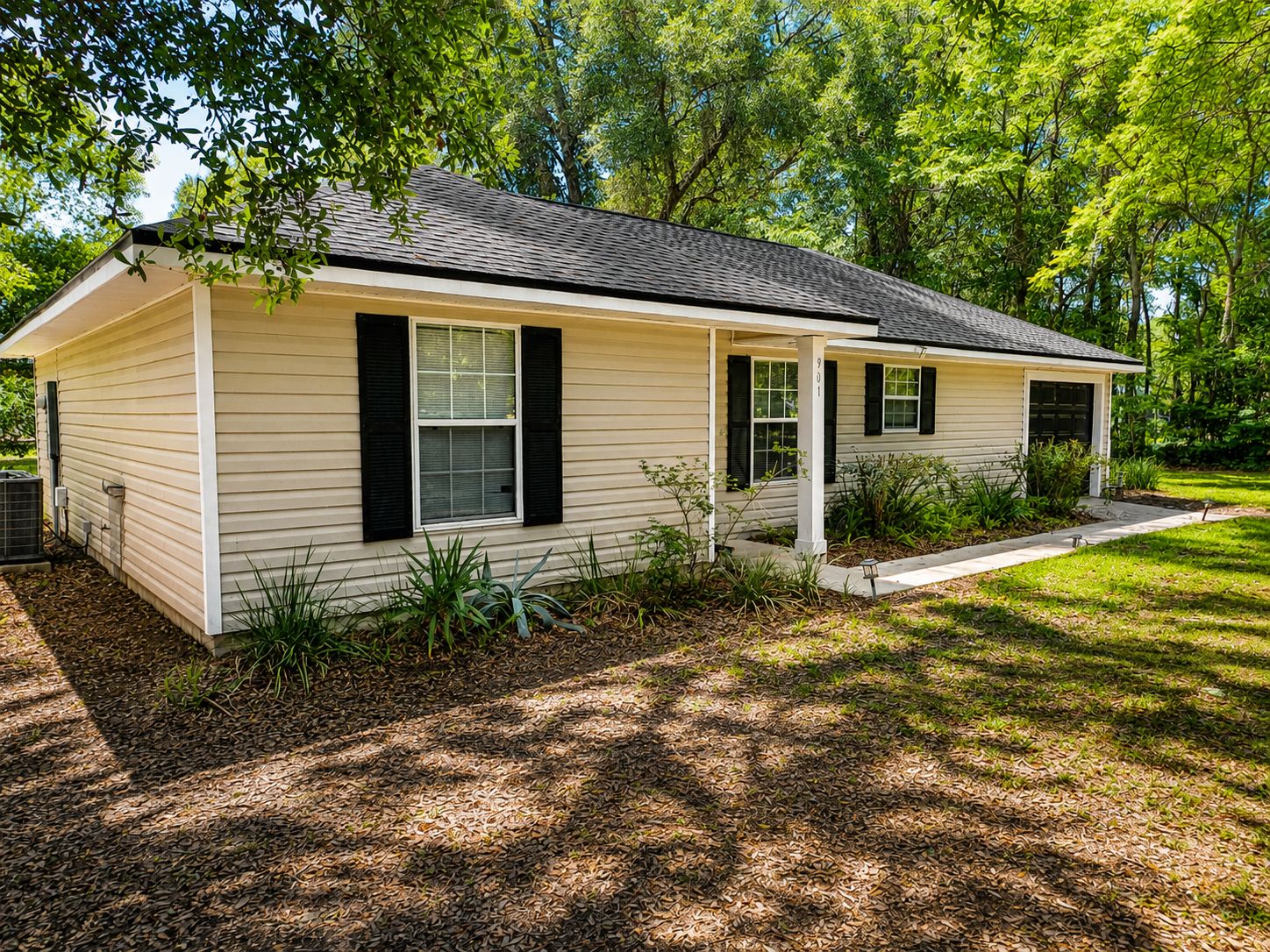
Buying a home is exciting, but it is also one of the largest financial decisions most people make. A beautiful kitchen, spacious backyard, or great first impression can make it easy to picture yourself living in a home before you've had a chance to look at the bigger picture.
Before making an offer, buyers should understand not only the home itself, but also its condition, location, ongoing costs, and potential resale considerations.
Whether you're a first-time homebuyer or you've purchased several properties before, here are 10 important questions to ask before buying a house.
1. How Long Has the Home Been on the Market?
Days on market can provide useful context when evaluating a property.
A home that was just listed may attract more immediate interest, while one that has been available for a longer period may lead buyers to ask additional questions.
Has the price changed? Has the property previously gone under contract? Is there something about the home that buyers have been hesitant about?
A longer time on the market doesn't automatically mean something is wrong with the property, but understanding its listing history can help you make a more informed decision.
2. How Was the Asking Price Determined?
Before making an offer, it's important to understand how the home's price compares with other properties in the area.
Your real estate agent can review comparable sales, commonly called "comps," to see what similar homes have recently sold for.
Factors such as location, lot size, square footage, condition, upgrades, waterfront access, acreage, garages, pools, workshops, and other features can all affect value.
The goal isn't simply to determine whether you like the house. It's to understand how the asking price fits within the current market.
3. How Old Are the Roof, HVAC and Water Heater?
A freshly painted interior may catch your attention, but some of the most important components of a home aren't nearly as exciting to look at.
Ask about the age and condition of major systems, including the:
- Roof
- HVAC system
- Water heater
- Electrical system
- Plumbing
- Well and septic system, when applicable
Knowing whether major components have recently been replaced or may require attention in the future can help you better understand the potential costs of homeownership.
4. What Is Included With the Sale?
Don't assume everything you see during a showing automatically stays with the property.
Ask what is included in the sale.
This can be especially important when a home has appliances, outdoor equipment, sheds, generators, window treatments, recreational equipment, or other personal property.
If something is particularly important to you, make sure you discuss it with your real estate agent so the appropriate terms can be addressed in the offer.
5. What Are the Estimated Ongoing Costs?
The purchase price isn't the only number buyers should consider.
Depending on the property, ongoing expenses may include:
Property taxes, homeowners insurance, flood insurance when applicable, HOA or association fees, utilities, lawn maintenance, pool maintenance, well or septic expenses, and general repairs.
Understanding these costs before buying can give you a much more realistic picture of what owning the home may cost each month and year.
6. Are There Any Known Problems With the Property?
Ask about available seller disclosures and known issues with the home.
Depending on the property, you'll want to pay attention to things such as previous leaks, water intrusion, roof problems, plumbing or electrical concerns, drainage issues, structural repairs, termite or wood-destroying organism history, and previous insurance claims when information is available and relevant.
A seller's disclosure isn't a replacement for your own due diligence or professional inspections, but it can provide valuable information about the property's history.
7. What Is the Neighborhood and Surrounding Area Like?
You aren't just buying a house. You're buying its location.
Drive through the area at different times of day when possible. Consider traffic, road conditions, nearby development, noise, shopping, healthcare, recreational opportunities, and your commute.
For rural properties, buyers may also want to investigate road maintenance, internet availability, cell service, nearby agricultural uses, and travel time to everyday necessities.
For waterfront properties, additional considerations can include water access, shoreline conditions, docks, boat ramps, flood information, and lake characteristics.
The right home in the wrong location may not be the right home for you.
8. Are There HOA Rules, Deed Restrictions or Other Limitations?
Before purchasing, find out whether the property is subject to a homeowners association, deed restrictions, covenants, or other limitations that could affect how you use it.
This is particularly important if you're planning to:
Park an RV or boat, build a workshop, install a fence, keep certain animals, operate a home business, rent the property, add another structure, or make significant exterior changes.
If you are buying acreage, don't assume that having more land automatically means you can do anything you want with it. Zoning and other regulations can still apply.
9. What Should I Look for During the Home Inspection?
A professional home inspection can be an important part of the buying process, but buyers should also understand what is being inspected and whether additional specialized inspections may make sense.
Depending on the property, that could include further evaluation of a roof, septic system, well, pool, fireplace, HVAC system, plumbing, electrical components, or other features.
An inspection isn't about finding a perfect house. Homes require maintenance, and even newer properties can have issues.
The goal is to gain a clearer understanding of the home's condition before moving forward.
10. Does This Home Make Sense for Your Future?
It's easy to focus entirely on what you need today.
Try thinking a few years ahead.
Will the number of bedrooms still work for you? Is there enough storage? Could your commute change? Do you want room for pets, children, guests, a home office, boat, RV, or workshop?
Also consider resale.
You can't predict exactly what the real estate market will do, but location, functionality, condition, and features that appeal to a broad range of buyers can be worth considering when making a long-term purchase.
Don't Be Afraid to Ask Questions Before Buying a Home
There is no such thing as a silly question when you're considering a major purchase.
A home may look perfect online and still require additional investigation. On the other hand, a property that doesn't immediately photograph perfectly could have features, improvements, or a location that make it an excellent fit for you.
That's why it's important to look beyond the listing photos and ask questions.
The more you understand about the property, price, condition, location, restrictions, and ongoing costs, the better prepared you'll be to make a decision that works for you.
Ready to Start Your Home Search?
Whether you're buying your first home, relocating, looking for more space, searching for acreage, or dreaming about a waterfront property, having an experienced real estate professional on your side can make the process easier to navigate.
CB Isaac Realty works with buyers and sellers throughout North Florida, including Melrose, Keystone Heights, Starke, Hawthorne, Gainesville, Jacksonville, and surrounding communities.
Search Homes for Sale with CB Isaac Realty
See a property you're interested in? Contact CB Isaac Realty at 352-475-2199 to request more information or schedule a showing.
CB Isaac Realty
North Florida Real Estate
352-475-2199
.png)