Buying commercial property in Florida can be an exciting step for a business owner. Instead of paying rent month after month, purchasing the right property can give you greater control over your location, provide room for future growth, and potentially create a valuable long-term real estate asset.
But commercial real estate is very different from buying a home. Location, zoning, visibility, access, utilities, building condition, and future development can all affect whether a property truly works for your business.
If you're considering purchasing commercial property in Florida, here are some of the most important factors to evaluate before making your decision.
1. Start With Location
You have probably heard the phrase "location, location, location," and it is especially important in commercial real estate.
The ideal location depends heavily on the type of business you operate.
A retail business may benefit from high traffic counts, visibility, signage opportunities, and convenient customer access. An office may prioritize accessibility, parking, and proximity to clients. Service-oriented businesses may need highway access, storage space, or room for company vehicles.
When evaluating a commercial property, consider:
- How easily customers can find the property
- Access from major roads and highways
- Visibility from passing traffic
- Nearby residential and commercial development
- Distance to surrounding cities and communities
- Parking and vehicle accessibility
A property doesn't necessarily need to be in the middle of a large city to be valuable. Commercial locations in smaller Florida communities can offer strategic positioning along major transportation corridors while potentially providing more space than properties in heavily developed areas.
2. Pay Attention to Highway Frontage and Visibility
For many businesses, visibility can be one of the most valuable features of a commercial property.
Properties located along established highways and heavily traveled roads may provide exposure to potential customers every day.
Highway frontage can be particularly appealing for businesses such as retail stores, professional offices, service companies, contractors, automotive-related businesses, and other operations that benefit from being easy to locate.
For example, commercial properties along US Highway 301 in North Central Florida can provide connections between numerous communities and larger markets.
When touring a property, consider not only what the building looks like but also what customers see as they approach it.
3. Verify the Zoning Before You Buy
One of the most important steps when purchasing commercial property in Florida is confirming that your intended business use is permitted.
Commercial zoning classifications vary by county and municipality. A building may look perfect for your business but still have restrictions on how it can legally be used.
Before purchasing, investigate:
- Current zoning classification
- Permitted uses
- Conditional or special uses
- Signage regulations
- Parking requirements
- Setbacks
- Building expansion restrictions
- Outdoor storage regulations
- Any applicable local development requirements
Buyers should verify zoning and intended use directly with the appropriate local government agency before making a final decision.
4. Consider Traffic and Accessibility
Visibility is important, but customers and employees also need to be able to reach the property conveniently.
Look at how vehicles enter and exit the property. Consider whether access is practical for your type of business and whether larger vehicles may need to use the site.
Depending on your operation, access to major highways can also make it easier to serve customers across a larger geographic area.
In North Central Florida, locations with convenient routes toward communities such as Gainesville, Hawthorne, Ocala, Melrose, Keystone Heights, and surrounding areas can be attractive to businesses serving multiple markets.
5. Evaluate the Building, Not Just the Land
When purchasing an existing commercial building, carefully consider its current condition and whether it fits your operation.
Important items may include:
- Roof condition
- Electrical system
- Plumbing
- Heating and cooling systems
- Interior layout
- Accessibility
- Parking
- Storage
- Signage possibilities
- Overall maintenance
A smaller building with a practical layout and strong location may sometimes make more sense for a business than a larger property requiring extensive improvements.
A professional inspection can also help identify potential issues before closing.
6. Look at Utilities and Infrastructure
Commercial businesses can have very different infrastructure requirements.
Before purchasing, determine whether the property has access to the utilities your operation requires, including electricity, water, sewer or septic, internet, and other services.
If your business uses specialized equipment, you may also need to investigate electrical capacity or other infrastructure requirements.
Understanding these details early can help prevent expensive surprises later.
7. Think About Your Business Five or Ten Years From Now
Don't evaluate commercial property based solely on what your business needs today.
Think about where you want the company to be several years from now.
Will you need additional employees? More parking? Additional storage? A larger customer area? Room for equipment?
A property that provides some flexibility may allow your business to grow without requiring another move.
8. Study the Surrounding Area
Commercial real estate doesn't exist in isolation.
Look at what's happening around the property.
Are new homes being built nearby? Are businesses opening? Are transportation improvements planned? Is the surrounding population growing?
Future development can influence commercial demand and property values, although no investment outcome is guaranteed.
Researching both current conditions and future plans can give you a better understanding of the property's long-term potential.
9. Consider Ownership vs. Leasing
Many business owners eventually face the question: Should I continue leasing or buy commercial property?
Leasing may provide flexibility and require less upfront capital. Ownership, however, can provide greater control over the property and the possibility of building equity over time.
Owning your business location may also allow you to customize the property more extensively, subject to zoning, permitting, financing, and other requirements.
The right choice depends on your company's finances, growth plans, and long-term goals.
10. Don't Overlook Smaller Florida Markets
When people think about Florida commercial real estate, they often immediately think of Jacksonville, Orlando, Tampa, or Miami.
But smaller communities throughout North Florida can also present interesting opportunities.
Areas such as Hawthorne and other North Central Florida communities can offer access to major roadways while maintaining connections to larger markets.
For entrepreneurs and investors, these locations may be worth considering when searching for commercial real estate.
Commercial Property Opportunity in Hawthorne, Florida
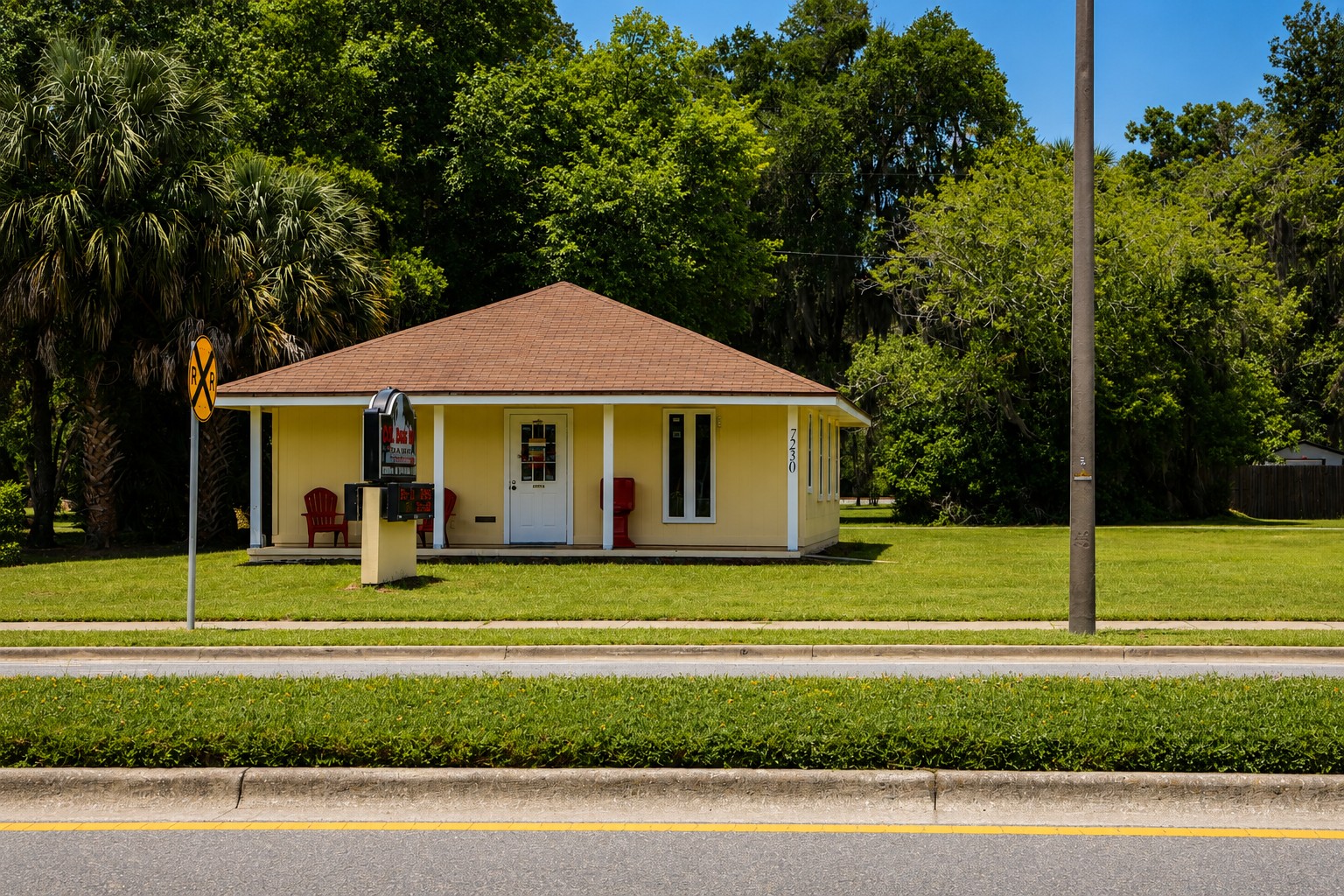
One example currently available is 7230 SE US Highway 301, Hawthorne, FL 32640.
Offered at $280,000, this commercial property features approximately 1,008 square feet of building space on 0.25 acre and sits directly along US Highway 301.
The property offers a versatile layout that may accommodate a variety of commercial uses, subject to applicable zoning and governmental approvals.
Its location provides highway exposure and convenient access to Hawthorne and surrounding North Central Florida communities, making it worth exploring for buyers searching for a storefront, office, service-business location, owner-occupied commercial property, or investment opportunity.
Searching for Commercial Property in Florida?
Buying the right commercial property involves much more than finding a building within your budget. The best property should align with your business needs, location strategy, future plans, and intended use.
At CB Isaac Realty, we work with buyers and sellers throughout North Florida and surrounding markets, including commercial properties, vacant land, residential real estate, waterfront properties, acreage, and unique investment opportunities.
Whether you're searching for your first business location, expanding an established company, or considering a commercial real estate investment, having knowledgeable real estate guidance can help you evaluate your options.
Ready to explore commercial real estate opportunities?
Visit CB Isaac Realty at www.cbisaacrealty.com to search available properties or learn more about 7230 SE US Highway 301 in Hawthorne, Florida.
Call CB Isaac Realty: 352-475-2199
.png)