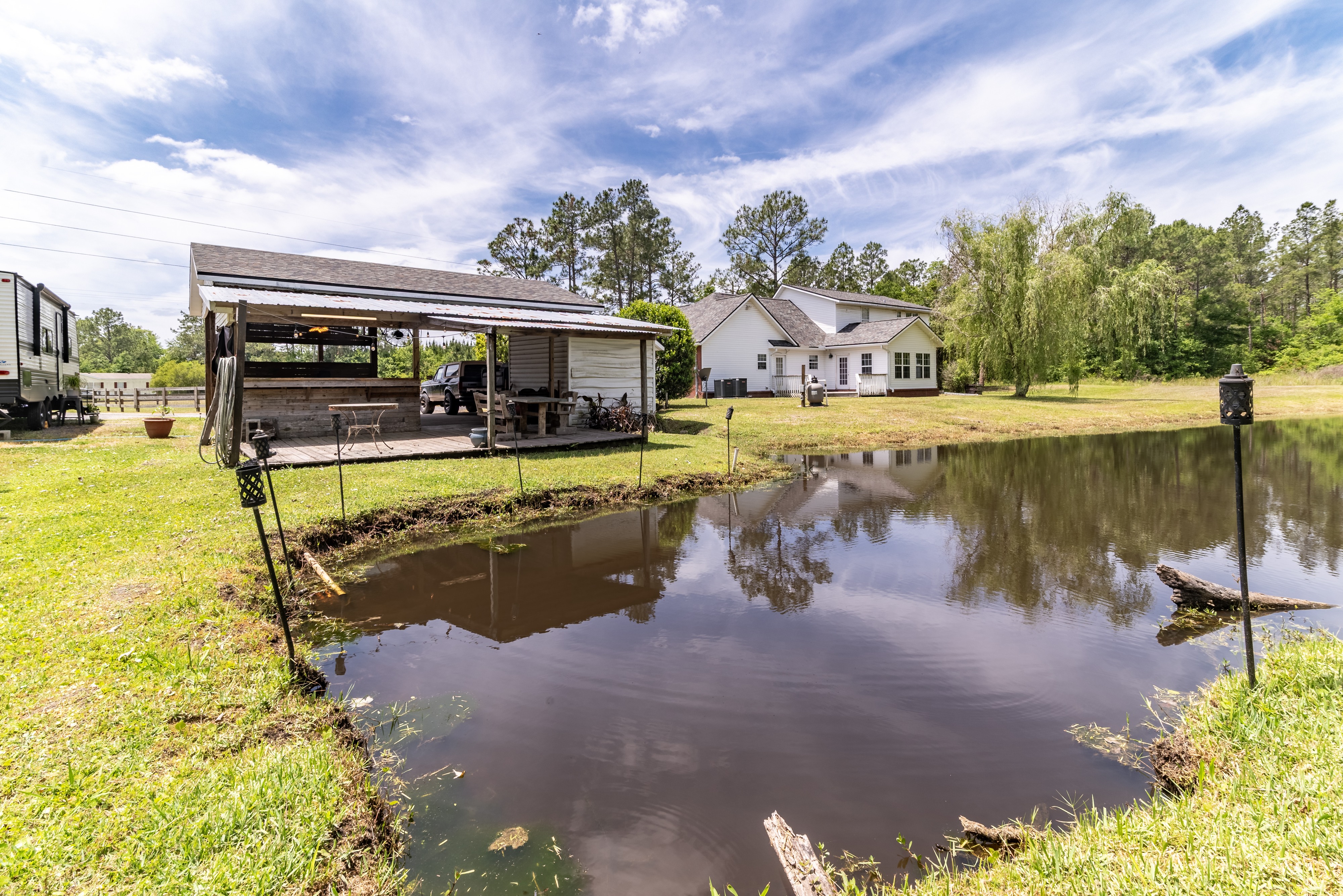
Buying rural property in Florida is a dream for many buyers because of more space, fewer neighbors, and the freedom to live life on your terms. North Florida, in particular, has become a popular choice for those looking for land, acreage, farms, and country homes.
But rural real estate comes with unique considerations that many buyers don’t think about until it’s too late.
If you’re considering buying rural property in Florida, here are the most common things buyers overlook, and why understanding them upfront can save you time, money, and stress.
Access Isn’t Always Guaranteed
One of the biggest surprises for rural buyers is access.
Not every rural property has:
-
Paved road frontage
-
Legal deeded access
-
County-maintained roads
Some properties may be accessed by dirt roads, shared driveways, or easements across neighboring land. In rainy seasons, road conditions can change quickly.
Before buying rural property, always confirm:
-
Legal access is recorded
-
Who maintains the road
-
Whether emergency vehicles can easily reach the property
Utilities Can Be Limited (or Non-Existent)
Unlike city properties, rural land often does not come with utilities already in place.
Things to verify before buying:
-
Is electricity available at the road?
-
Will you need a well and septic?
-
Is internet service available (or limited to satellite)?
-
Are there additional hookup or impact fees?
Installing utilities can add thousands of dollars to your overall cost, so it’s important to factor this into your budget early.
Zoning and Land Use Restrictions Matter
Many buyers assume they can do whatever they want on rural land—but zoning still applies.
In North Florida, rural properties may be zoned:
-
Agricultural
-
Open Rural
-
Residential
-
Mixed-use
Each zoning category determines:
-
Whether you can build
-
If mobile or manufactured homes are allowed
-
Livestock or farming permissions
-
Commercial or business use potential
Zoning rules vary by county and city, so local knowledge is critical.
Flood Zones and Drainage Are Often Overlooked
Rural land can look beautiful on a sunny day, but drainage issues often reveal themselves during heavy rain.
Before buying:
-
Check FEMA flood maps
-
Visit the property after rainfall if possible
-
Look for low spots, standing water, or wetlands
-
Understand any environmental or conservation restrictions
Flood zones can affect insurance costs, financing, and future development plans.
Property Boundaries Aren’t Always Clear
Unlike subdivision lots, rural properties may not have clearly marked boundaries.
Buyers often overlook:
-
Outdated surveys
-
Unclear fence lines
-
Encroachments from neighboring properties
Ordering a survey can help confirm acreage, boundaries, and access points, especially important when buying larger tracts of land.
Financing Rural Property Is Different
Financing rural real estate can be more complex than buying a home in town.
Some lenders may:
-
Require larger down payments
-
Limit loan options for vacant land
-
Have stricter requirements for rural properties
Working with lenders familiar with rural Florida real estate can make the process smoother.
Maintenance and Ongoing Costs Add Up
Rural living comes with ongoing responsibilities that many buyers underestimate:
-
Septic system maintenance
-
Well servicing
-
Road upkeep
-
Land clearing or mowing
-
Fencing repairs
These costs are manageable, but only if you plan for them upfront.
Why Local Expertise Makes a Difference
Buying rural property in Florida isn’t just about finding land, it’s about understanding the land.
Local real estate professionals know:
-
County zoning rules
-
Utility availability
-
Development limitations
-
Market values for land and acreage
-
Which areas fit your goals best
This local insight can prevent costly mistakes and help you find a property that truly fits your lifestyle.
Final Thoughts
Rural property offers incredible opportunities, privacy, space, and long-term value, but only if you know what to look for.
By understanding access, utilities, zoning, drainage, and financing ahead of time, you’ll be far better prepared to make a smart investment in North Florida real estate.
If you’re thinking about buying rural property in Keystone Heights, Melrose, Starke, Hawthorne, or surrounding areas, working with a knowledgeable local brokerage can make all the difference.
.png)