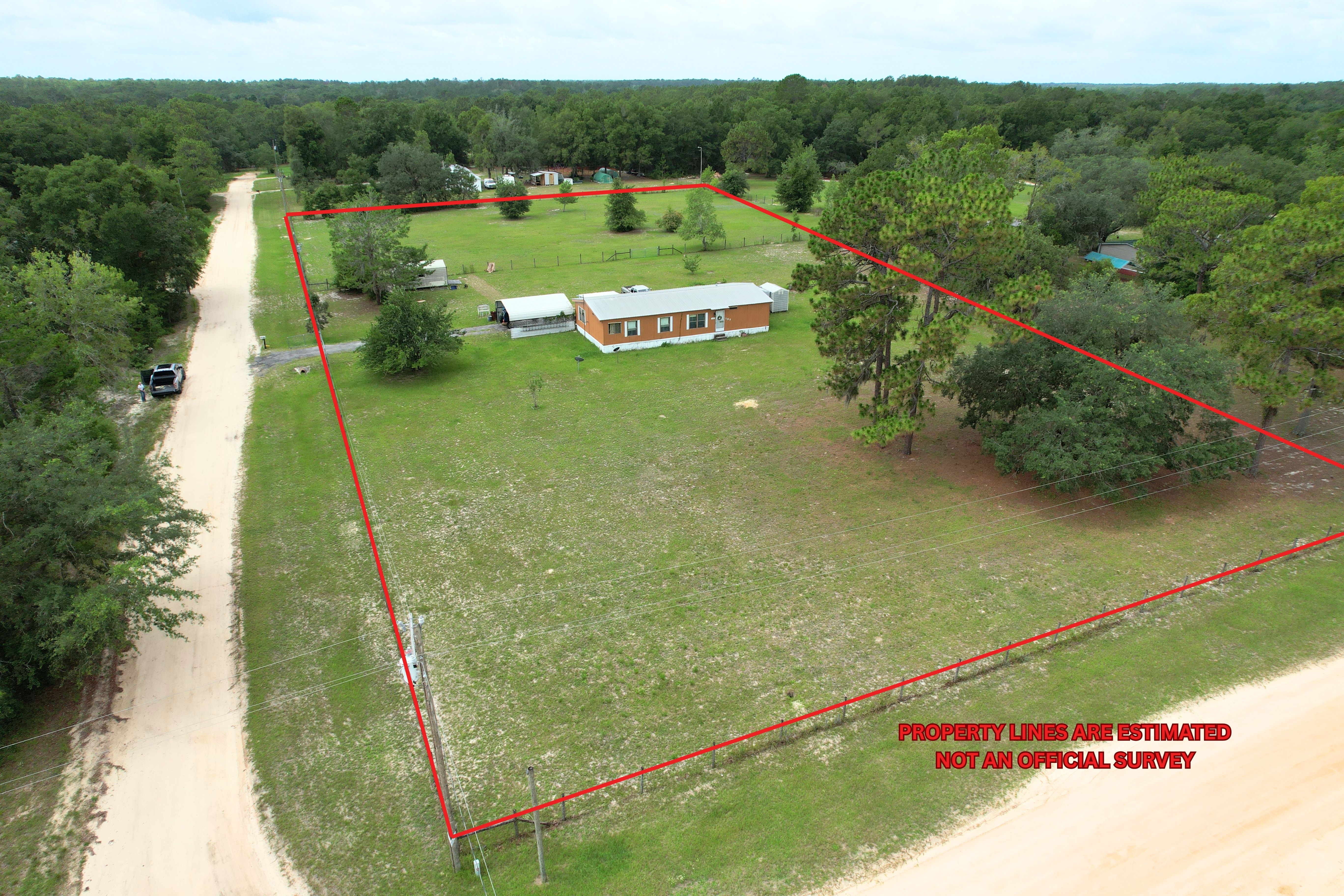
Buying land in North Florida can be exciting, but one of the biggest questions we hear is:
“Can I actually build on this property?”
If you’re looking in areas like Keystone Heights, Interlachen, or Hawthorne, the answer isn’t always as simple as yes or no. Every parcel is different, and understanding what you can (and can’t) do is critical before buying—or selling—land.
Here’s what you need to know in 2026.
The Short Answer: It Depends
Not all land is immediately buildable.
Even if a property looks perfect, factors like zoning, utilities, access, and soil conditions all play a role in whether you can build.
The good news? Most land in North Florida can be built on—with the right planning.
1. Zoning Is the First Thing to Check
Zoning determines what you’re allowed to do with the land.
In Clay, Putnam, and Alachua counties, zoning can vary widely, even between neighboring parcels.
Common zoning types:
• Residential (site-built homes)
• Agricultural (often allows mobile homes and animals)
• Mixed-use or special zoning
Why this matters:
-
Some properties allow mobile or manufactured homes
-
Others require site-built homes only
-
Some may have restrictions on minimum square footage or setbacks
👉 Always verify zoning with the county before buying or listing land.
2. Septic, Well, and Utilities
Many properties in Keystone Heights, Interlachen, and Hawthorne are not connected to city sewer or water.
That means:
• You’ll likely need a septic system
• A well for water
• Access to electric service nearby
What to check:
-
Can the land pass a perc test (for septic)?
-
How far is the nearest power connection?
-
Are there any utility easements?
No septic approval = no building permit.
3. Access and Road Frontage
This is one of the most overlooked issues.
To build legally, your property must have legal access.
Look for:
• Direct road frontage (best case)
• Easements or recorded access
• Maintained roads vs unimproved dirt roads
If a property is landlocked or lacks legal access, it can be difficult—or impossible—to build.
4. Flood Zones and Wetlands
Some land may look buildable but has hidden challenges.
Key things to check:
• Flood zone designation (FEMA maps)
• Wetlands or low-lying areas
• Drainage and elevation
You may still be able to build—but it could require:
-
Fill dirt
-
Elevation work
-
Additional permitting
5. What You Should Check BEFORE Buying or Selling Land
Whether you're a buyer or seller, these steps are essential:
✔ Verify zoning with the county
✔ Check flood zone maps
✔ Confirm legal access
✔ Ask about septic suitability
✔ Review a survey (if available)
✔ Check utility availability
These factors directly impact value, buildability, and buyer interest.
6. How Buildability Affects Land Value
Not all land is valued the same—and this is why.
Buildable land:
✔ Higher demand
✔ Easier to finance
✔ Sells faster
✔ Higher price per acre
Non-buildable or restricted land:
• Lower demand
• Longer time on market
• Lower value
👉 This is one of the biggest reasons land prices vary so much in North Florida.
So… Can You Build on Your Land?
In many cases—yes.
But the only way to know for sure is to evaluate the specific property based on:
-
Zoning
-
Utilities
-
Access
-
Soil conditions
-
Flood zones
Every parcel tells a different story.
Not Sure About Your Land? Let’s Take a Look
At CB Isaac Realty, we help buyers and sellers across:
• Keystone Heights
• Interlachen
• Hawthorne
• Melrose
• Starke
• Surrounding North Florida areas
Whether you already own land or are thinking about buying, we can help you:
✔ Determine if your land is buildable
✔ Understand what improvements may be needed
✔ Estimate your property’s true market value
📞 352-475-2199
🌐 https://www.cbisaacrealty.com/propertyvaluation/
No pressure—just clear, local insight.
:format(webp):quality(80)/u.realgeeks.media/cbisaacrealty/cbi_logo(2).png)