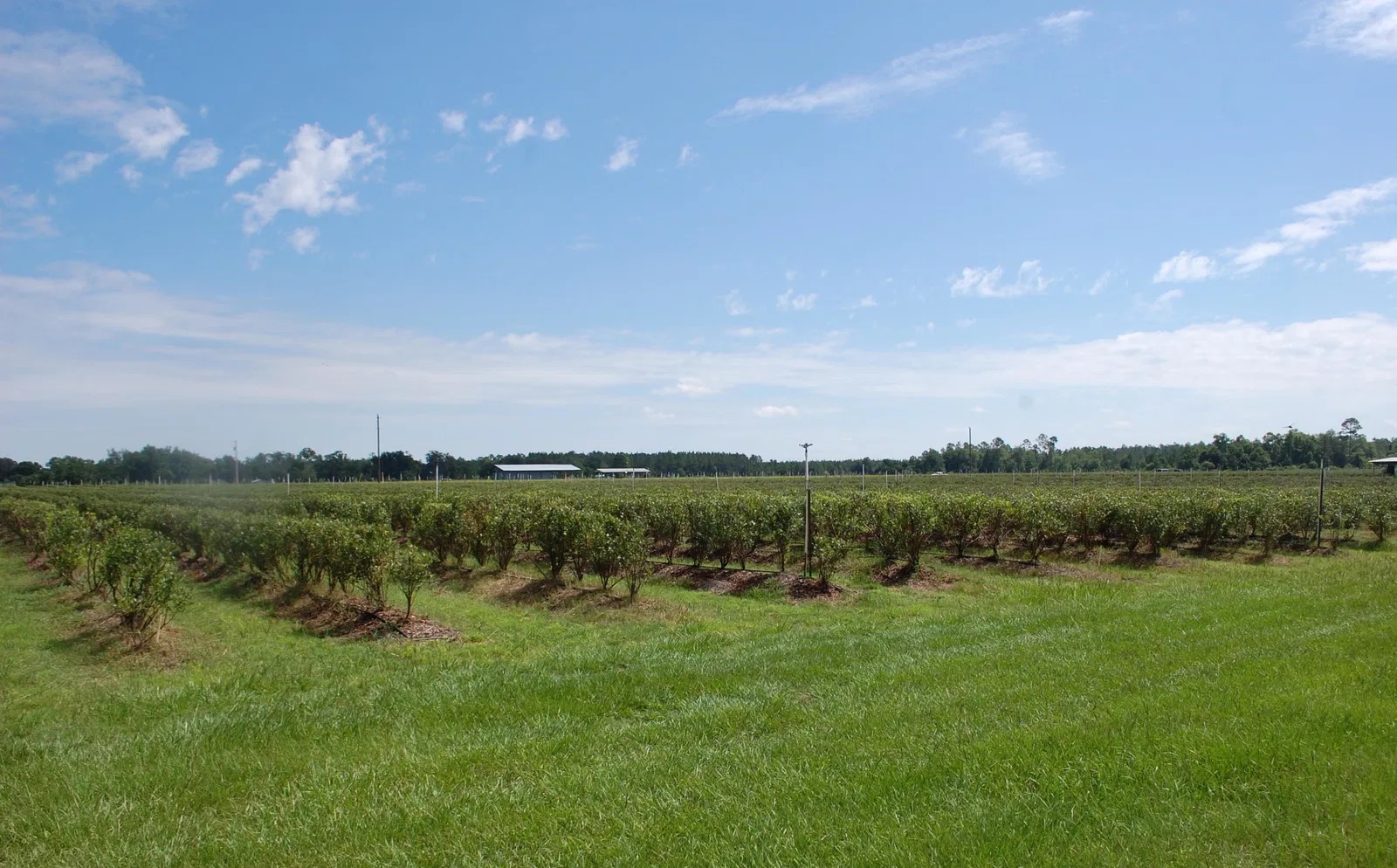
Buying land in North Florida is one of the smartest long-term real estate moves you can make. Whether you’re planning to build a custom home, start a homestead, invest in timber or agriculture, or secure acreage for future development, financing land works differently than financing a house.
In this 2026 guide, we’ll walk you step-by-step through how land financing works in North Florida, what lenders require, current loan options, and how to position yourself for approval.
Why Financing Land Is Different Than Buying a House
When you finance a traditional home, the lender uses the structure as collateral. With land, there’s no home, just raw or partially improved property. That increases the lender’s risk.
Because of that:
-
Down payments are typically higher
-
Interest rates are slightly higher
-
Loan terms may be shorter
-
Approval guidelines are stricter
But don’t let that discourage you, land financing is very achievable with the right preparation.
Step 1: Understand the Type of Land You’re Buying
The type of property directly impacts financing options.
🌲 Raw Land
No utilities, no improvements, no road access.
-
Hardest to finance
-
Highest down payment (often 30–50%)
-
Higher interest rates
🚜 Improved Land
May include:
-
Well
-
Septic
-
Power
-
Road access
-
Cleared acreage
Easier to finance than raw land.
🏡 Land with a Mobile or Manufactured Home
May qualify for:
-
Land loan
-
Manufactured home loan
-
Combination package financing
Step 2: Know the Common Land Loan Options in North Florida
Here are the most common financing routes buyers use in 2026:
1️⃣ Local Bank or Credit Union Land Loans
Many North Florida buyers use local lenders who understand rural property.
Typical terms:
-
20–35% down
-
10–20 year term
-
Adjustable or fixed rates
-
Balloon payments sometimes included
Local lenders often understand:
-
Agricultural zoning
-
Timber tracts
-
Acreage values
-
Rural development potential
2️⃣ Farm Credit & Agricultural Lenders
For:
-
Large acreage
-
Farming operations
-
Timber land
-
Income-producing agricultural property
These lenders specialize in rural land and often offer:
-
Competitive rural rates
-
Flexible terms
-
Long-term agricultural lending options
3️⃣ Owner Financing
In some cases, sellers may offer:
-
10–30% down
-
Short-term balloon
-
Negotiated interest rate
This can be helpful if:
-
The buyer wants quicker closing
-
Traditional financing is difficult
-
The property is unique or raw
4️⃣ Construction-to-Permanent Loans (If Building Soon)
If your plan is to build within 6–12 months, you may qualify for a:
-
Construction-to-permanent loan
This combines:
-
Land purchase
-
Construction financing
-
Permanent mortgage
Often requires:
-
Approved builder
-
Construction plans
-
Strong credit profile
Step 3: What Credit Score Do You Need?
Most land lenders look for:
-
680+ preferred
-
700+ for strongest rates
-
Lower scores possible with higher down payment
Strong compensating factors help:
-
Low debt-to-income ratio
-
Cash reserves
-
Stable employment
-
Experience with land ownership
Step 4: How Much Down Payment Is Required?
In 2026, expect:
| Property Type | Typical Down Payment |
|---|---|
| Raw Land | 30–50% |
| Improved Land | 20–35% |
| Agricultural Tracts | 20–30% |
| Construction Package | 10–20% (varies) |
The more infrastructure in place, the lower the risk — and often the lower the down payment.
Step 5: Additional Costs Buyers Often Overlook
When financing land in North Florida, budget for:
-
Survey (if needed)
-
Soil test / perc test
-
Well and septic installation
-
Clearing costs
-
Driveway installation
-
Impact fees (if building)
-
Property taxes
-
Insurance (if structure added)
Land may seem affordable per acre — but development costs add up.
Step 6: Understanding Zoning Matters
Before financing land, confirm:
-
Agricultural zoning vs residential
-
Mobile home allowed?
-
Subdivision potential?
-
Minimum lot size requirements?
-
Flood zone classification?
-
Easements or access issues?
Lenders often verify these before final approval.
What Buyers Are Doing in 2026
Across North Florida — including Keystone Heights, Hawthorne, Melrose, Starke, Putnam County, and rural Jacksonville areas — buyers are financing land for:
-
Future custom homes
-
Homesteading
-
Timber investment
-
Recreational use
-
Agricultural income
-
Long-term appreciation plays
Demand for acreage remains strong because inventory is limited and development continues expanding outward from metro areas.
Is Financing Land a Smart Move?
If you:
-
Have long-term plans
-
Want to hedge against inflation
-
Value privacy and space
-
Plan to build later
-
Want agricultural tax benefits
Land can be one of the most stable real estate investments in North Florida.
But strategy matters.
How to Position Yourself for Approval
Here’s how serious buyers win:
-
Get pre-qualified before shopping
-
Know your build timeline
-
Understand zoning
-
Budget realistically
-
Work with an agent experienced in land transactions
-
Compare lender options
Land isn’t like buying a subdivision home — details matter.
Final Thoughts
Financing land in North Florida in 2026 is absolutely possible — but it requires preparation, understanding of rural lending guidelines, and working with professionals who understand acreage transactions.
The right lender + the right property + the right strategy = long-term wealth potential.
If you're considering buying land, acreage, or agricultural property in North Florida, our team at CB Isaac Realty can help you:
-
Evaluate property value
-
Understand zoning
-
Connect with local land lenders
-
Identify development potential
-
Navigate rural contracts
👉 Explore available land listings on our website
📞 Call or text anytime for guidance
Land isn’t just dirt — it’s opportunity.
:format(webp):quality(80)/u.realgeeks.media/cbisaacrealty/cbi_logo(2).png)