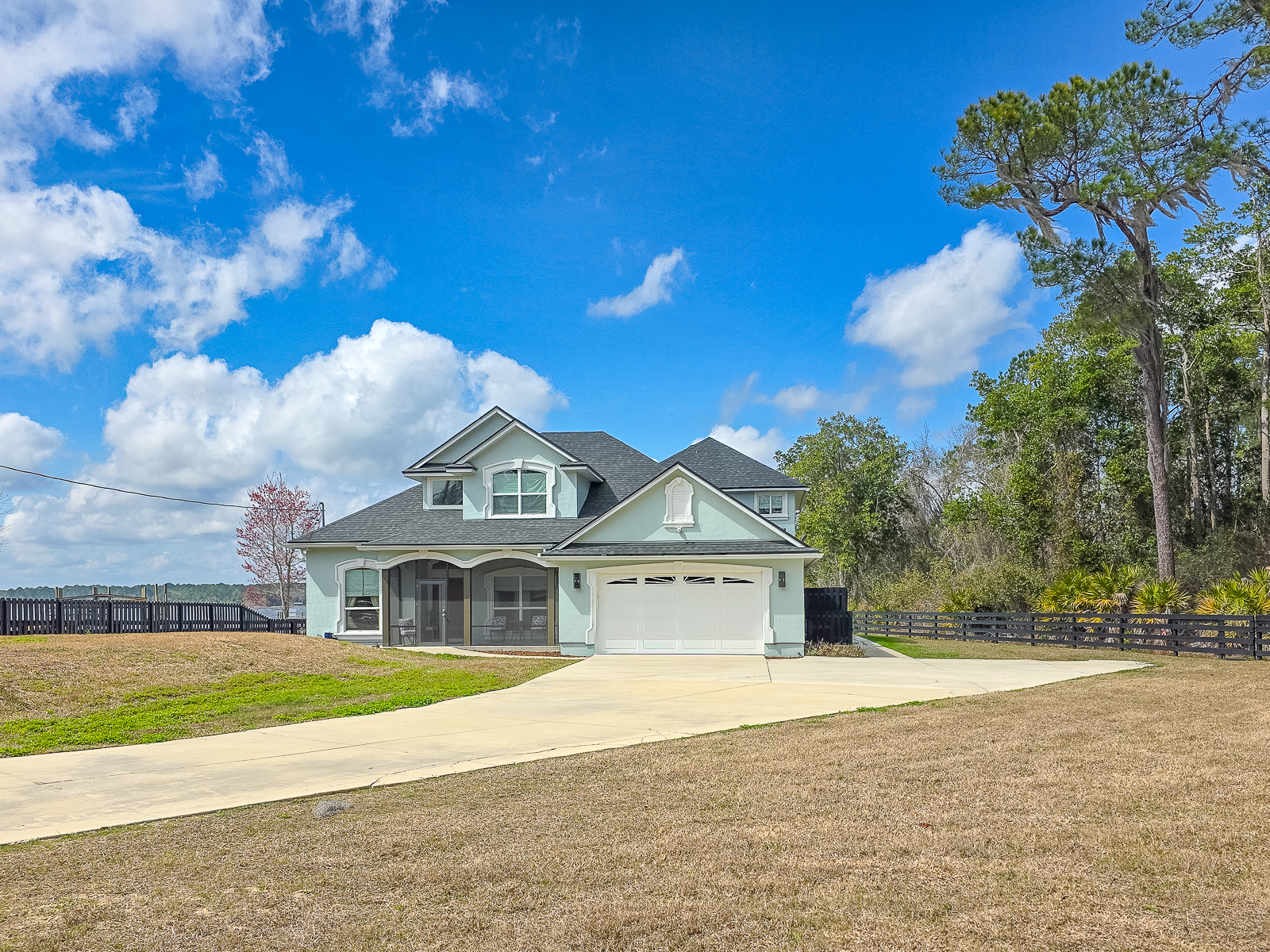
One of the first questions homeowners ask when they're thinking about selling is simple:
How long does it take to sell a house?
The answer depends on more than just how quickly a buyer makes an offer. Pricing, location, property condition, buyer demand, financing, inspections, appraisals, and the closing process can all affect the timeline.
Some homes receive offers shortly after hitting the market, while others take weeks or months to find the right buyer. And even after you accept an offer, there are still several steps before you reach the closing table.
If you're considering selling your home, here's what you should know about the process.
What Does "Selling a House" Actually Mean?
When people talk about how long it takes to sell a home, they may be referring to two different timelines:
Time on the market is the period between listing the property and accepting an offer.
Time to closing includes everything that happens after the seller accepts an offer, such as inspections, financing, appraisal, title work, and final paperwork.
That's an important distinction. Receiving an offer doesn't mean the transaction is finished.
1. Preparing Your Home for the Market
The selling process often begins before the "For Sale" sign goes up.
Depending on the property, sellers may spend anywhere from a few days to several weeks preparing.
This could include:
- Decluttering and cleaning
- Completing minor repairs
- Improving curb appeal
- Touching up paint
- Preparing the yard
- Organizing documents
- Professional photography
- Determining an appropriate listing price
Not every home needs extensive improvements before going on the market. In some situations, selling as-is may make more sense than investing in renovations.
The key is understanding which improvements could help your particular property and which ones may not provide enough return to justify the expense.
2. Pricing the Home
Pricing can have a major influence on how quickly a property attracts serious buyers.
Before listing, your real estate agent may prepare a Comparative Market Analysis (CMA) using relevant recently sold properties, current competition, market conditions, location, condition, square footage, lot size, and other characteristics.
Pricing too high can reduce buyer interest and potentially result in a property sitting on the market longer.
Pricing isn't about choosing the highest number possible. It's about positioning the property appropriately for the current market.
3. Going Live on the Market
Once the property is prepared, photographed, and listed, buyers can begin discovering it online and through their real estate agents.
This is when marketing becomes important.
Quality photos, an accurate and engaging property description, online exposure, social media marketing, signage, open houses when appropriate, and easy access to property information can all help get a listing in front of potential buyers.
At CB Isaac Realty, we market properties throughout North Florida and work to showcase what makes each property unique—whether that's a traditional home, waterfront property, acreage, vacant land, farm, or investment opportunity.
4. How Long Will It Take to Receive an Offer?
There isn't one timeline that applies to every house.
A home's time on market can be influenced by:
Price: How does the asking price compare with similar properties?
Location: Buyer demand can vary significantly from one community to another.
Condition: Move-in-ready homes may appeal to a different pool of buyers than properties requiring substantial work.
Property type: A typical single-family home may have a larger buyer pool than a highly specialized luxury, waterfront, agricultural, or commercial property.
Marketing: Buyers can't consider a property they don't know is available.
Market conditions: Inventory, mortgage rates, seasonality, and overall buyer activity can influence demand.
This is why comparing your home with relevant properties in your immediate market is generally more useful than relying on a broad national statistic.
5. Receiving and Negotiating an Offer
Once an offer arrives, the seller has decisions to make.
The purchase price is important, but it isn't the only consideration.
An offer may also contain terms involving financing, deposits, inspection periods, closing dates, concessions, contingencies, personal property, and other conditions.
Sellers can accept an offer, reject it, or negotiate certain terms through a counteroffer.
A strong offer isn't necessarily just the one with the highest price. The complete terms of the offer matter.
6. What Happens After You Accept an Offer?
Once an offer is accepted, the property typically moves into the under-contract stage.
Several things may happen during this period depending on the contract and type of transaction.
The buyer may complete inspections, finalize financing, obtain an appraisal, review documents, and complete other due diligence.
Meanwhile, title work and closing preparations are typically underway.
This part of the process can take several weeks, although the exact timeline varies by transaction.
7. The Home Inspection
If the contract provides for an inspection period, the buyer may hire a professional inspector to evaluate the property.
Depending on the property and contract, additional inspections or evaluations may also be considered for features such as wells, septic systems, pools, roofs, docks, fireplaces, or other components.
Inspection findings can sometimes lead to additional discussions between buyers and sellers.
The exact options available to each party depend on the purchase contract.
8. The Appraisal
When a buyer is financing the purchase, the lender may require an appraisal.
The appraiser provides an independent opinion of the property's value for the lender.
If the appraisal supports the transaction, the process can continue toward closing.
If the appraisal comes in below the contract price, the next steps depend on the contract and circumstances. The parties may need to review their available options.
9. Financing and Title Work
While inspections and appraisal are taking place, other work is happening behind the scenes.
The buyer's lender may be verifying income, assets, credit, insurance, and other information as part of the underwriting process.
Title professionals may also research ownership and identify title matters that need to be addressed before closing.
Issues involving liens, ownership, surveys, access, legal descriptions, or other property-specific concerns can sometimes affect the timeline.
10. Closing Day
Once the necessary requirements have been completed, the transaction can move toward closing.
Final documents are prepared, funds are coordinated, and the parties complete the required paperwork.
After the transaction closes, ownership transfers according to the closing documents and applicable procedures.
That's when the home is officially sold.
So, How Long Should You Expect It to Take?
Rather than planning around one exact number, sellers should think of the process in two stages: finding the right buyer and getting from contract to closing.
A competitively positioned property in an active market may receive an offer relatively quickly. Another property may require more time because of its price range, location, condition, property type, or a smaller pool of potential buyers.
Once under contract, financing and due diligence can add several additional weeks.
If you have a specific date by which you need to move, tell your real estate agent early. Your desired timeline can influence pricing, preparation, marketing, and how you evaluate offers.
What Can Help a House Sell Faster?
Sellers can't control every part of the market, but they can control several important factors.
Start with a realistic asking price. Present the property well. Make it easy for buyers to find accurate information about the home. Keep the property ready for showings when possible. And pay attention to market feedback after the listing goes live.
If buyers are viewing the home but not making offers, or if the property isn't generating much activity at all, that information can help you and your agent evaluate whether changes should be considered.
Thinking About Selling Your North Florida Home?
Before deciding when to list, one of the most useful things you can do is understand what your property may be worth in today's market.
CB Isaac Realty works with homeowners throughout Melrose, Keystone Heights, Starke, Hawthorne, Gainesville, Jacksonville, and communities across North Florida.
Wondering what your home could sell for?
Get Your North Florida Property Valuation
You can also browse current properties and learn more about the North Florida real estate market through CB Isaac Realty.
CB Isaac Realty™ | 352-475-2199
.png)