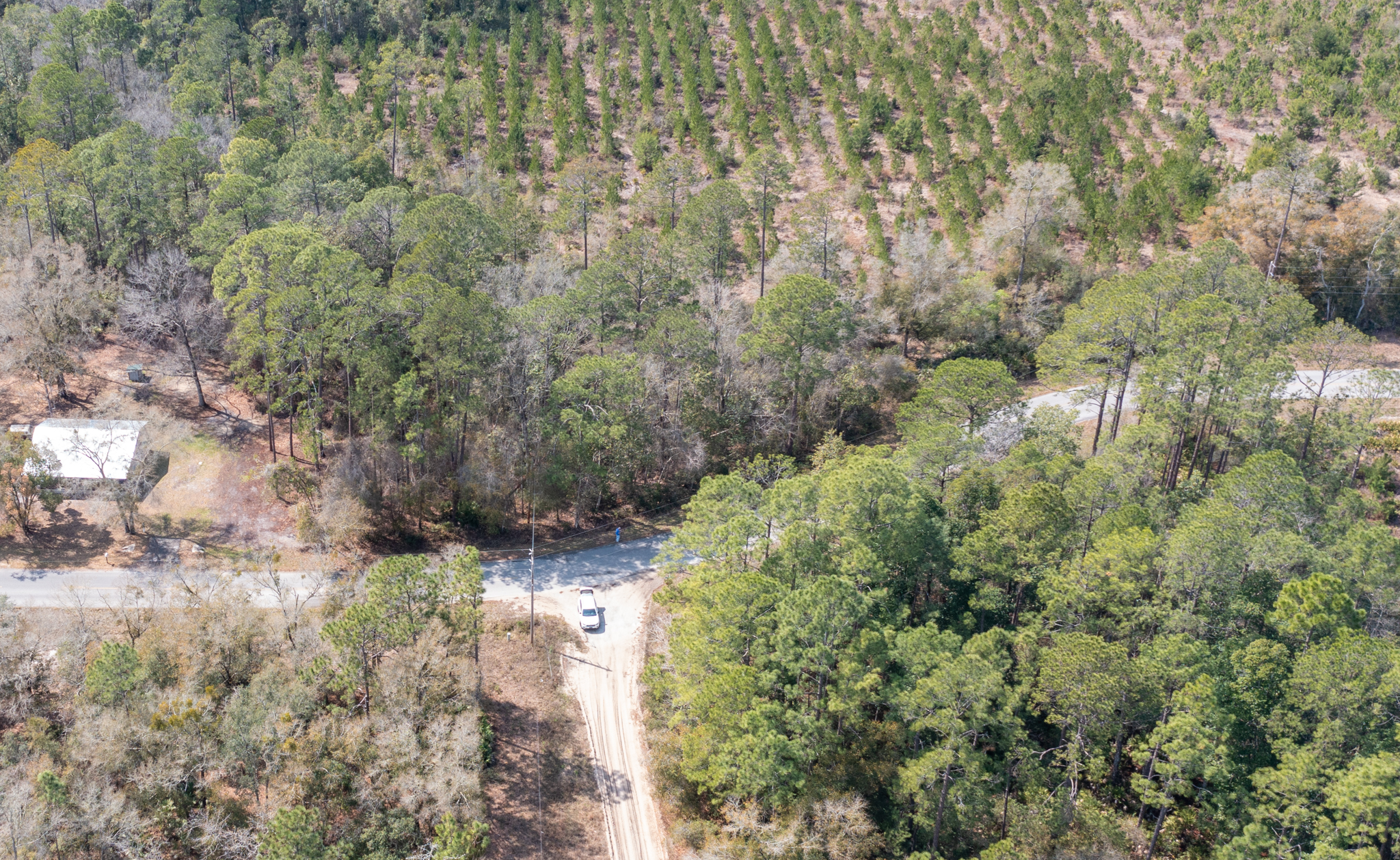
Buying raw land in North Florida is exciting. Whether you’re dreaming of a homestead in Hawthorne, a lake retreat in Melrose, or acreage near Keystone Heights, turning untouched land into a buildable homesite takes planning.
Many buyers underestimate the process.
Raw land isn’t automatically “ready to build.” It requires due diligence, infrastructure planning, and a clear understanding of local regulations.
If you’re considering buying land in North Florida, here’s your step-by-step guide to transforming raw acreage into a build-ready property.
Step 1: Confirm Zoning & Land Use
Before anything else, verify how the land is zoned.
Common zoning types in North Florida:
-
Agricultural (AG) – Often allows homes, mobile homes, livestock, and farming.
-
Residential (R-1, R-2, etc.)
-
Mixed Use or Commercial (in certain corridors)
Each county — Clay, Bradford, Putnam, Union, Alachua, Baker — has different minimum lot sizes and dwelling allowances.
Key questions:
-
Can you build a site-built home?
-
Are manufactured or modular homes allowed?
-
Are there setbacks or density limits?
-
Can the property be subdivided later?
Never assume. Always confirm with the county planning department.
Step 2: Access & Legal Entry
A beautiful 5-acre parcel is worthless if you can’t legally access it.
Make sure:
-
The property has recorded road frontage or
-
There is a legal easement for ingress/egress
Landlocked parcels can create financing and resale challenges.
Step 3: Utilities – What’s Available?
Raw land rarely comes fully serviced. You’ll need to determine:
✔ Electricity
Is power at the road? How far must it be run? Utility extension costs can vary significantly.
✔ Water
Options include:
-
Private well
-
City water (if available)
Most rural North Florida properties require a well.
✔ Septic System
If no sewer is available, you’ll need:
-
A septic permit
-
Soil testing (see Step 4)
✔ Internet
If remote work is important, verify fiber or broadband availability before purchasing.
Step 4: Soil Testing & Septic Approval
In rural counties like Putnam, Bradford, and Union, septic suitability is critical.
A percolation (perc) test determines whether:
-
The soil drains properly
-
A standard septic system is allowed
-
An engineered system is required
Failing soils can significantly increase costs.
Step 5: Land Clearing & Site Prep
North Florida land often includes:
-
Pines
-
Palmettos
-
Hardwoods
-
Underbrush
You’ll likely need:
-
Selective clearing
-
Driveway installation
-
House pad grading
-
Drainage planning
Pro Tip: Don’t over-clear. Maintaining tree buffers can help with privacy and resale value.
Step 6: Flood Zones & Elevation
Always check FEMA flood maps.
If land sits in:
-
Flood Zone A or AE → You may need elevation adjustments or flood insurance.
-
High & Dry (Zone X) → Typically easier and more desirable.
In North Florida, buyers frequently ask for “high and dry” parcels — and for good reason.
Step 7: Permitting & Impact Fees
Before building:
-
Obtain a building permit
-
Verify impact fees
-
Confirm driveway permits (if on a state road like SR 21, US 301, SR 26, etc.)
Each county has different timelines and requirements.
Step 8: Financing Raw Land
Financing land differs from traditional home loans.
Options include:
-
Local bank land loans
-
Owner financing
-
Cash purchases
-
Construction-to-permanent loans
Down payments are often higher (20–50%) for raw land.
Working with a local lender familiar with rural property is key.
Step 9: Consider Future Value
When evaluating raw land, think long-term:
-
Is the area growing?
-
Is road access improving?
-
Are new homes being built nearby?
-
Is the property close to lakes or major highways?
North Florida’s Lake Region — including Keystone Heights, Melrose, Hawthorne, and Starke — continues attracting buyers seeking space and affordability.
Common Mistakes to Avoid
• Buying without verifying zoning
• Skipping a soil test
• Ignoring access issues
• Underestimating clearing costs
• Assuming utilities are cheaper than they are
Raw land is full of opportunity — but preparation prevents expensive surprises.
Why Buyers Are Choosing North Florida Land in 2026
More buyers are:
-
Building custom homes
-
Installing manufactured homes
-
Creating family compounds
-
Establishing small farms or homesteads
-
Investing in long-term appreciation
Compared to Central and South Florida, North Florida still offers:
-
Larger acreage
-
Lower property taxes
-
Fewer restrictions
-
Greater lifestyle flexibility
Final Thoughts
Turning raw land into a buildable homesite in North Florida is completely achievable — with the right guidance.
The key is understanding:
-
Zoning
-
Utilities
-
Soil conditions
-
Access
-
Long-term value
With proper due diligence, raw land can become your dream home, homestead, investment, or legacy property.
If you’re considering buying land in Keystone Heights, Melrose, Hawthorne, Starke, Lake Butler, or surrounding counties, having a land-focused brokerage on your side makes all the difference.
Because land doesn’t sell — or develop — itself.
It takes strategy.
And it takes someone who understands dirt.
:format(webp):quality(80)/u.realgeeks.media/cbisaacrealty/cbi_logo(2).png)