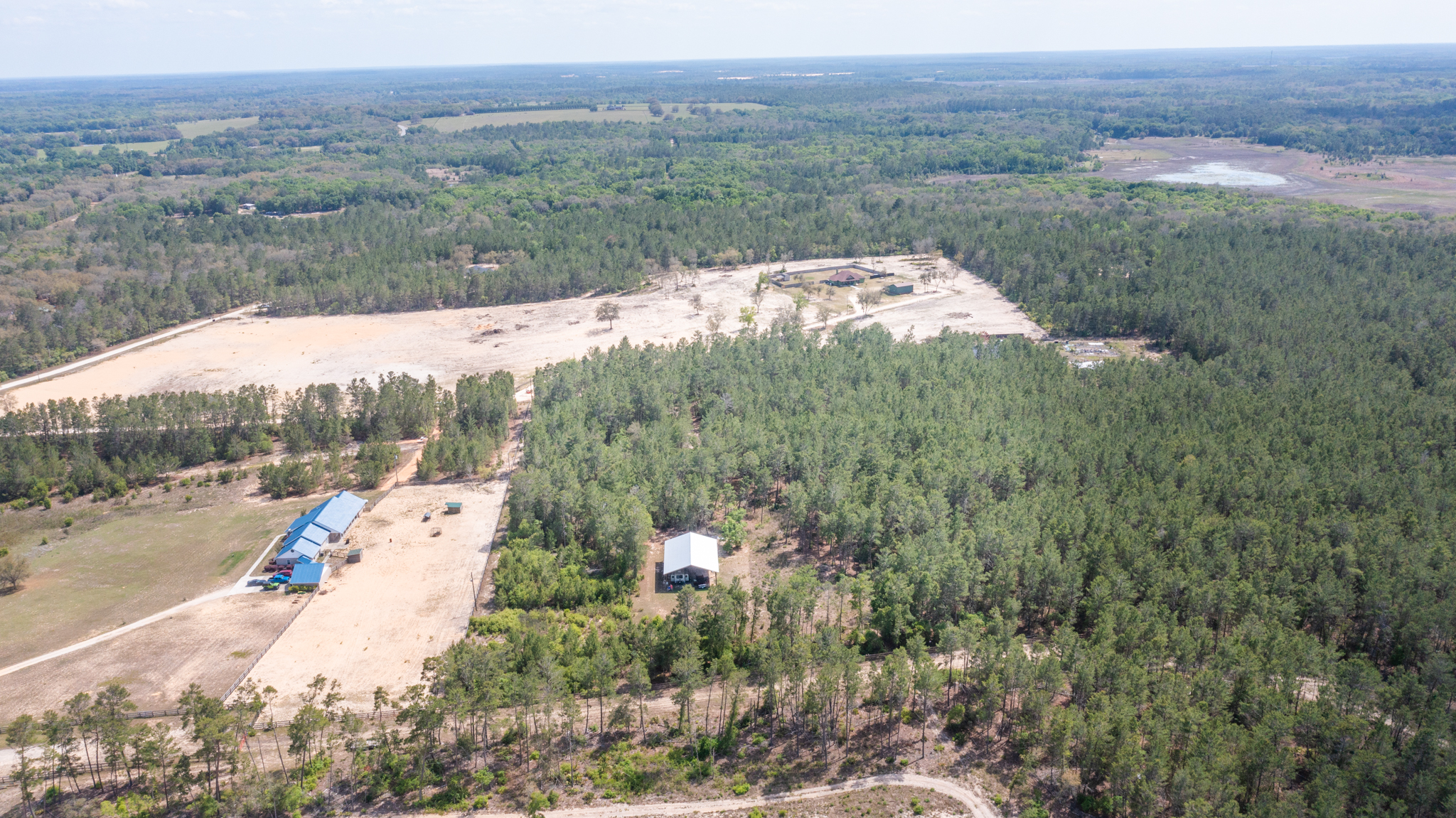
If you're planning a move to North Florida, you may eventually face an important decision: Should you buy an existing home or purchase land and build exactly what you want?
There is no single answer that works for every buyer. Your budget, timeline, preferred location, financing, and long-term plans can all influence which option makes the most sense.
Throughout Melrose, Keystone Heights, Hawthorne, Starke, Gainesville, Jacksonville, and surrounding North Florida communities, buyers can find everything from move-in-ready homes and lakefront properties to large acreage and undeveloped homesites.
Before deciding which direction to take, here are some of the biggest differences to consider.
Buying an Existing Home: The Faster Path to Homeownership
For buyers who want to move sooner rather than later, purchasing an existing home is usually the more straightforward option.
Instead of coordinating land preparation, construction, permits, utilities, and contractors, you're purchasing a property that has already been built.
Once financing, inspections, appraisal, title work, and closing are complete, the home is yours.
That can make an existing home particularly appealing to buyers relocating to North Florida for work, family, retirement, or a lifestyle change.
You Know What You're Buying
One major advantage of buying an existing home is being able to physically walk through the property before making a decision.
You can see the floor plan, bedrooms, kitchen, yard, neighborhood, views, and surrounding properties.
You can also have the home professionally inspected to identify potential issues before closing.
With new construction, you're making many decisions based on plans and specifications before seeing the finished product.
Existing Homes May Already Include Valuable Improvements
When comparing an existing property with vacant land, don't focus exclusively on the price of the house.
An established North Florida property may already have valuable improvements such as:
- Well and septic systems
- Driveways
- Fencing
- Workshops and storage buildings
- Landscaping
- Decks and porches
- Docks or waterfront improvements
- Garages and carports
- Utility connections
Recreating those features on vacant land could add significantly to the overall cost of building.
That doesn't automatically make an existing home less expensive, but those improvements should be considered when comparing your options.
Why Build a Home on Your Own Land?
For other buyers, building is exactly what makes North Florida appealing.
Purchasing land gives you an opportunity to start with the property itself and create a home around your needs.
Maybe you want more privacy. Perhaps you've always dreamed of having several acres. You might want a particular floor plan, a large workshop, an oversized garage, or a homesite surrounded by trees.
Instead of searching for an existing home that checks most of your boxes, building gives you greater control over the finished product.
Building Gives You More Opportunity to Customize
Customization is one of the biggest advantages of building.
Depending on your builder, budget, zoning, and property, you may be able to choose your:
Floor plan: Design the number and placement of bedrooms, bathrooms, living spaces, and storage areas around your lifestyle.
Kitchen: Select cabinetry, countertops, appliances, and layout.
Outdoor living: Incorporate covered porches, patios, decks, or other outdoor spaces from the beginning.
Garage and storage: Plan for vehicles, boats, recreational equipment, workshops, or additional storage.
Energy efficiency: New construction may allow you to incorporate newer building materials, insulation, windows, appliances, and mechanical systems.
Rather than renovating someone else's house to fit your preferences, you're starting with a blank canvas.
But Buying Land Is Only the Beginning
One of the biggest mistakes a land buyer can make is assuming the purchase price represents the total cost of creating a homesite.
A beautiful piece of North Florida property may look perfect, but there are several questions to answer before building.
Depending on the property, you may need to investigate:
- Zoning and permitted uses
- Minimum home size requirements
- Setbacks
- Road frontage and legal access
- Survey and property boundaries
- Wetlands
- Flood zones
- Soil and drainage
- Well requirements
- Septic feasibility
- Electricity availability
- Internet availability
- Clearing and grading
- Driveway installation
- HOA or deed restrictions
Two similarly priced parcels can require dramatically different amounts of money to prepare for construction.
Utilities Can Make a Big Difference
Utilities deserve particular attention when buying rural land in North Florida.
Some properties may have access to public water and sewer. Others may require a private well and septic system.
Electricity may already be available at the property, or power may need to be extended to the homesite.
This is why land with existing improvements can sometimes be particularly attractive.
If a property already has a well, septic system, power, driveway, or other infrastructure, some of the initial work may already be completed. Buyers should still have existing systems evaluated and verify that they are suitable for their intended plans.
How Long Does It Take to Build?
If your timeline is important, this can be one of the biggest deciding factors.
Buying an existing home can potentially put you into your new property much sooner.
Building requires additional steps before construction can even begin. You first have to identify and purchase the right land. Then you may need surveys, site evaluations, plans, financing, permits, clearing, utility work, and contractor scheduling.
Construction itself takes additional time and can be affected by weather, material availability, permitting, and other factors.
If you're comfortable waiting in exchange for getting something closer to exactly what you want, building may be worthwhile.
If you need a home sooner, an existing property may make more sense.
Which Option Costs Less?
This is where buyers need to look at the total project cost, not just the advertised price.
When purchasing an existing home, your primary costs are generally tied to the home purchase, financing, inspections, closing expenses, insurance, and any renovations or repairs you decide to make.
When building, your overall budget may include:
Land + site preparation + construction + utilities + permits + driveway + financing costs + landscaping + additional improvements.
A $100,000 piece of land and a $400,000 existing home shouldn't necessarily be viewed as a $300,000 difference.
You need to determine what it will actually cost to turn that land into the finished property you want.
Financing Is Different for Land and Construction
Financing can also influence the decision.
A traditional mortgage for an existing home works differently from financing vacant land or new construction.
Land loans may have different down-payment requirements, interest rates, and terms. Construction financing may involve draws that are released as different stages of the project are completed.
Some buyers may also explore land-home packages or construction-to-permanent financing.
Before purchasing land, it's important to speak with a lender who understands the type of property and construction project you're considering.
Location May Determine Your Decision
Where you want to live can sometimes answer the buy-versus-build question for you.
If you want to live in an established neighborhood near shopping, schools, restaurants, and other conveniences, buying an existing home may provide more choices.
If your priorities are acreage, privacy, a rural setting, or a custom homesite, expanding your search to vacant land may open significantly more possibilities.
North Florida provides opportunities for both.
Communities including Melrose, Keystone Heights, Hawthorne, Starke, Lake Butler, Gainesville, and areas surrounding Jacksonville offer a wide variety of property types and lifestyles.
What About Waterfront Land?
Building on waterfront property can be particularly appealing, but it also requires additional due diligence.
If you're considering lakefront, riverfront, or marshfront land, research factors such as flood zones, wetlands, shoreline regulations, dock permitting, setbacks, environmental restrictions, and buildable area.
A parcel's total acreage doesn't necessarily equal the amount of land available for construction.
Before purchasing waterfront land, buyers should understand exactly where and what they can build.
Buy or Build: Which Is Right for You?
A simple way to approach the decision is to think about your priorities.
Buying an existing home may make more sense if you:
- Want to move relatively soon
- Prefer a more predictable purchase process
- Want to see exactly what you're buying
- Value existing improvements
- Don't want to manage a construction project
Buying land and building may make more sense if you:
- Want a customized home
- Prioritize acreage or privacy
- Have specific property requirements
- Are comfortable with a longer timeline
- Have room in your budget for site development
- Want greater control over the finished property
Neither option is automatically better. The goal is to determine which one better supports your budget, timeline, and lifestyle.
Start by Comparing Both
If you're undecided, you don't necessarily have to choose immediately.
Look at existing homes in your preferred North Florida communities. Then compare them with available land.
You may discover that an existing property already offers almost everything you want.
Or you may realize that the type of home, acreage, privacy, or setting you're searching for would be easier to achieve by building.
Seeing both sides of the market can make the decision much clearer.
Find Your Place in North Florida
Whether your goal is to purchase a move-in-ready home, lakefront property, acreage, vacant land, or a homesite for your future build, understanding the entire market can help you make a more informed decision.
CB Isaac Realty works with buyers and sellers throughout North Florida and can help you explore both existing homes and land opportunities.
Search North Florida Homes & Land
CB Isaac Realty
352-475-2199
Before purchasing vacant land, buyers should independently verify zoning, building requirements, access, utilities, environmental conditions, and suitability for their intended use with the appropriate professionals and government agencies.
:format(webp):quality(80)/u.realgeeks.media/cbisaacrealty/cbi_logo(2).png)