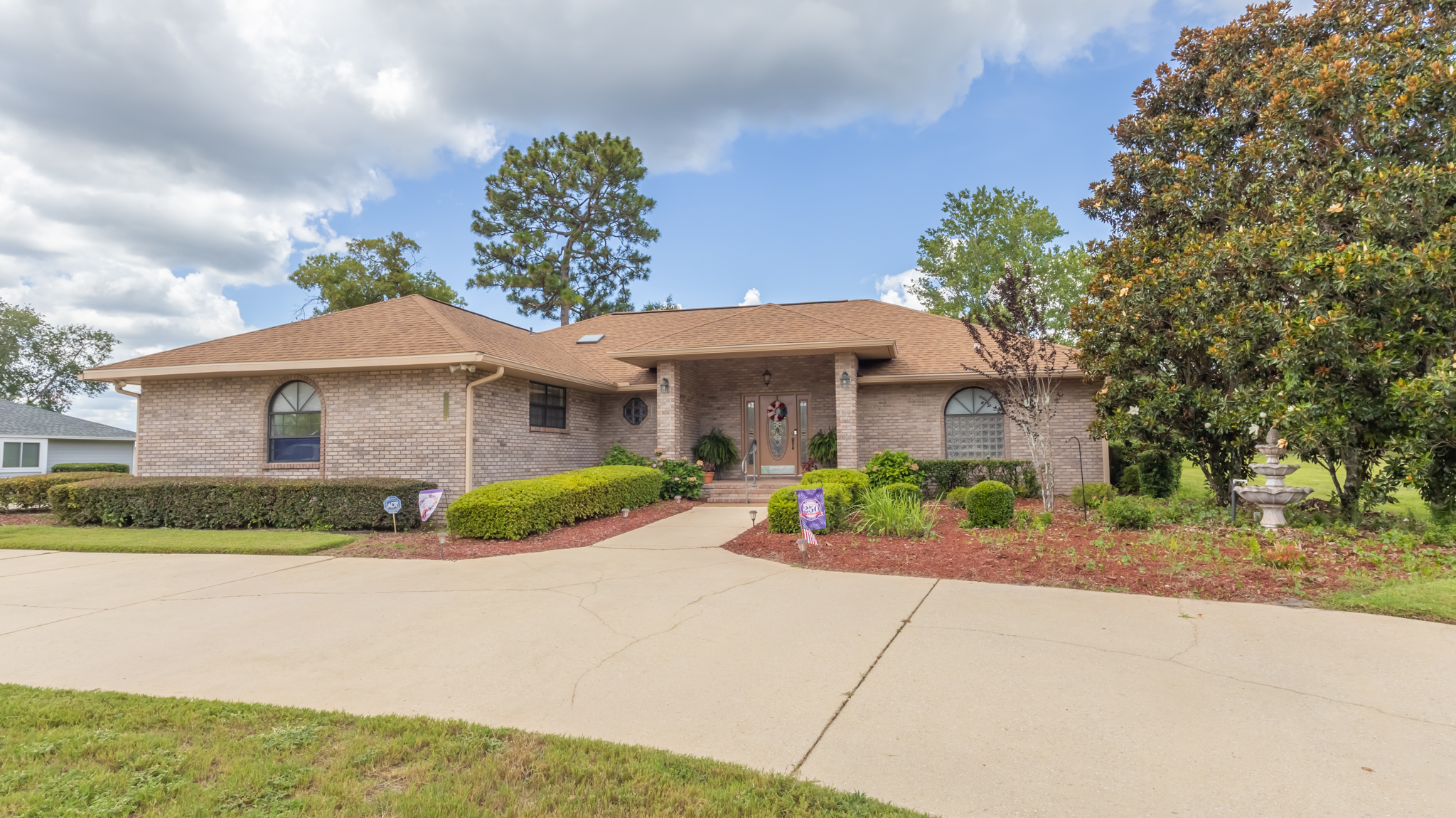
When you're searching for a home, one of the biggest decisions isn't just where to buy—it's what condition of home makes the most sense for you.
Some buyers love the idea of purchasing a fixer-upper, making improvements over time, and creating a home that feels completely their own. Others would rather unpack their boxes, settle in, and enjoy a house that's already updated and ready to go.
Neither option is automatically better. The right choice depends on your budget, timeline, financing, renovation experience, and how much work you're willing to take on after closing.
If you're looking at homes for sale in North Florida, here's what to consider before choosing between a fixer-upper and a move-in-ready home.
What Is Considered a Fixer-Upper?
A fixer-upper is generally a home that needs repairs, updates, or renovations.
That doesn't necessarily mean the house is in poor condition. Some fixer-uppers simply have outdated kitchens, bathrooms, flooring, paint, or fixtures. Others may require more substantial work involving the roof, HVAC system, plumbing, electrical system, foundation, windows, or other major components.
The amount of work needed can vary considerably from one property to another.
That's why buyers shouldn't assume that every fixer-upper represents the same level of risk—or opportunity.
What Is a Move-In-Ready Home?
A move-in-ready home is generally a property that a buyer can comfortably occupy without immediately completing major repairs or renovations.
It may have updated flooring, newer appliances, a remodeled kitchen or bathrooms, newer major systems, fresh paint, or other improvements.
However, move-in ready doesn't mean perfect.
Even a beautifully updated house can have maintenance needs or issues that aren't obvious during a showing. Buyers should still perform appropriate due diligence and consider a professional home inspection.
The Advantages of Buying a Fixer-Upper
For the right buyer, purchasing a home that needs work can offer several advantages.
1. The Purchase Price May Be Lower
One of the biggest reasons buyers consider fixer-uppers is price.
A property that needs significant cosmetic or structural improvements may be listed for less than a comparable updated home in the same area.
That can potentially give buyers access to a location, amount of land, or type of property that might otherwise be outside their budget.
However, a lower purchase price doesn't necessarily mean a lower total cost.
You also need to consider what you'll spend after closing.
2. You Can Make the Home Your Own
Buying a renovated home often means paying for someone else's design decisions.
With a fixer-upper, you may have more freedom to choose your own:
- Flooring
- Paint colors
- Cabinets
- Countertops
- Fixtures
- Appliances
- Bathroom finishes
- Landscaping
- Layout changes
Instead of replacing perfectly good finishes simply because they aren't your style, you can make improvements according to your own priorities.
3. There May Be an Opportunity to Build Equity
Strategic improvements can potentially increase a property's market value.
For example, improving an outdated kitchen, replacing worn flooring, repairing deferred maintenance, or improving curb appeal may make the home more desirable in the future.
But buyers should be careful with the assumption that every dollar spent on renovations automatically creates a dollar—or more—of additional value.
Renovation costs and market value aren't always equal.
4. You May Face Less Competition
Homes that need substantial work may appeal to a smaller pool of buyers.
Some buyers don't want renovations. Others may not have the cash, financing options, experience, or time required to complete them.
That can sometimes mean less competition than you'd encounter for a completely renovated property.
The Challenges of Buying a Fixer-Upper
The potential savings can be attractive, but it's important to understand what you're taking on.
Renovation Costs Can Add Up Quickly
A house that looks like it only needs cosmetic updates could have larger issues hiding beneath the surface.
A roof, HVAC system, electrical work, plumbing repairs, septic system, well, structural repairs, or water damage can dramatically change your renovation budget.
Before buying, consider getting estimates for major work whenever possible.
And leave room in your budget for unexpected expenses.
Renovations Take Time
Home improvement projects don't always happen as quickly as expected.
Contractor availability, permitting, material delays, weather, unexpected repairs, and changes to the project can all affect your timeline.
Ask yourself an important question:
Are you comfortable living in the home while renovations are happening?
If not, you'll need to consider the potential cost of living somewhere else during the work.
Financing Can Be Different
Depending on the home's condition, some properties may not qualify for certain types of traditional financing.
Major health, safety, structural, or condition issues can create challenges depending on the loan program and lender requirements.
Renovation financing may be available in certain situations, but those loans can have additional requirements.
Talk with a qualified lender before making an offer so you understand your options.
The Advantages of Buying a Move-In-Ready Home
For many buyers, convenience is worth paying for.
1. You Can Settle In Faster
This is the biggest advantage.
Instead of spending your first several months choosing contractors, comparing estimates, living around construction, and making renovation decisions, you can simply move in.
For buyers with demanding schedules, children, or a specific moving deadline, that convenience can be especially valuable.
2. Your Initial Expenses May Be More Predictable
While every house requires ongoing maintenance, an updated home may have fewer immediate projects.
Knowing that the roof, HVAC, kitchen, flooring, or other major features have already been updated can make budgeting easier.
When reviewing an updated property, ask when improvements were completed and whether permits or documentation are available when applicable.
3. Financing May Be More Straightforward
A home in good condition may have fewer property-condition concerns during the lending and appraisal process.
That doesn't guarantee financing, but it can eliminate some of the complications that can arise when a property requires significant repairs.
4. There's Less Work After Closing
Renovations require more than money.
They require decisions, planning, contractors, scheduling, shopping, supervision, and patience.
Some buyers genuinely enjoy that process.
Others don't.
There's nothing wrong with deciding that your time is more valuable than the potential savings of taking on a renovation.
The Potential Downsides of Move-In-Ready Homes
Convenience usually comes at a price.
An updated home may have a higher asking price than a similar property that needs work.
You may also face more buyer competition if the home has broad appeal.
And remember: you're paying for improvements that were chosen by someone else.
A newly remodeled kitchen might look beautiful, but if you would have chosen completely different cabinets and countertops, you're essentially paying a premium for renovations you may eventually change.
Fixer-Upper vs. Move-In Ready: Which Is Right for You?
Ask yourself a few questions before deciding:
How much cash will I have available after closing?
Don't use your entire budget for the purchase if you know substantial renovations will be necessary.
How comfortable am I with unexpected expenses?
Fixer-uppers can come with surprises.
Can I realistically manage a renovation?
Think about your schedule and experience, not just your enthusiasm.
How quickly do I need to move in?
A move-in-ready property may make more sense when your timeline is tight.
Am I willing to live through construction?
Living in a renovation project isn't for everyone.
Do I care more about location or condition?
Sometimes buying a fixer-upper can provide an opportunity to get into a location you love at a lower initial purchase price.
How long do I plan to own the home?
If you're planning substantial improvements, consider how those renovations fit your long-term plans for the property.
Don't Skip the Home Inspection
Whether you're buying a fixer-upper or a completely renovated house, consider having the property professionally inspected.
An updated kitchen and fresh paint don't tell you the condition of the roof, electrical system, plumbing, HVAC, foundation, septic system, or other important components.
This can be especially important in North Florida, where buyers may encounter properties with features such as:
- Private wells
- Septic systems
- Acreage
- Older homes
- Manufactured homes
- Outbuildings and workshops
- Private roads
- Waterfront structures
- Docks and boat lifts
Understanding what you're buying can help you make a more informed decision.
Look Beyond the Renovation Photos
When comparing properties online, it's easy to be drawn toward the house with the newest kitchen or most attractive finishes.
But some of the most important differences between properties aren't visible in listing photos.
Consider the location, land, neighborhood, floor plan, major systems, property condition, future maintenance, and overall cost of ownership.
Paint can be changed.
Flooring can be replaced.
A kitchen can eventually be remodeled.
But changing a home's location, lot size, or surrounding area isn't nearly as simple.
The Bottom Line
A fixer-upper can make sense for a buyer who wants a potentially lower purchase price, enjoys renovation projects, has financial flexibility, and wants the ability to customize a property.
A move-in-ready home may be a better fit for someone who values convenience, wants more predictable upfront expenses, or doesn't want to spend months managing improvements.
The important thing is to compare the total picture—not just the asking price.
Consider the purchase price, estimated repairs, financing, time commitment, location, property features, and your long-term plans before deciding.
Find the Right North Florida Home for You
Whether you're looking for a move-in-ready home, fixer-upper, lakefront property, home with acreage, investment property, or land, CB Isaac Realty can help you explore your options throughout North Florida.
We serve buyers and sellers throughout Melrose, Keystone Heights, Hawthorne, Starke, Gainesville, Jacksonville, and surrounding North Florida communities.
Search North Florida Homes & Properties
Already own a property and wondering what it may be worth?
CB Isaac Realty™ | 352-475-2199
