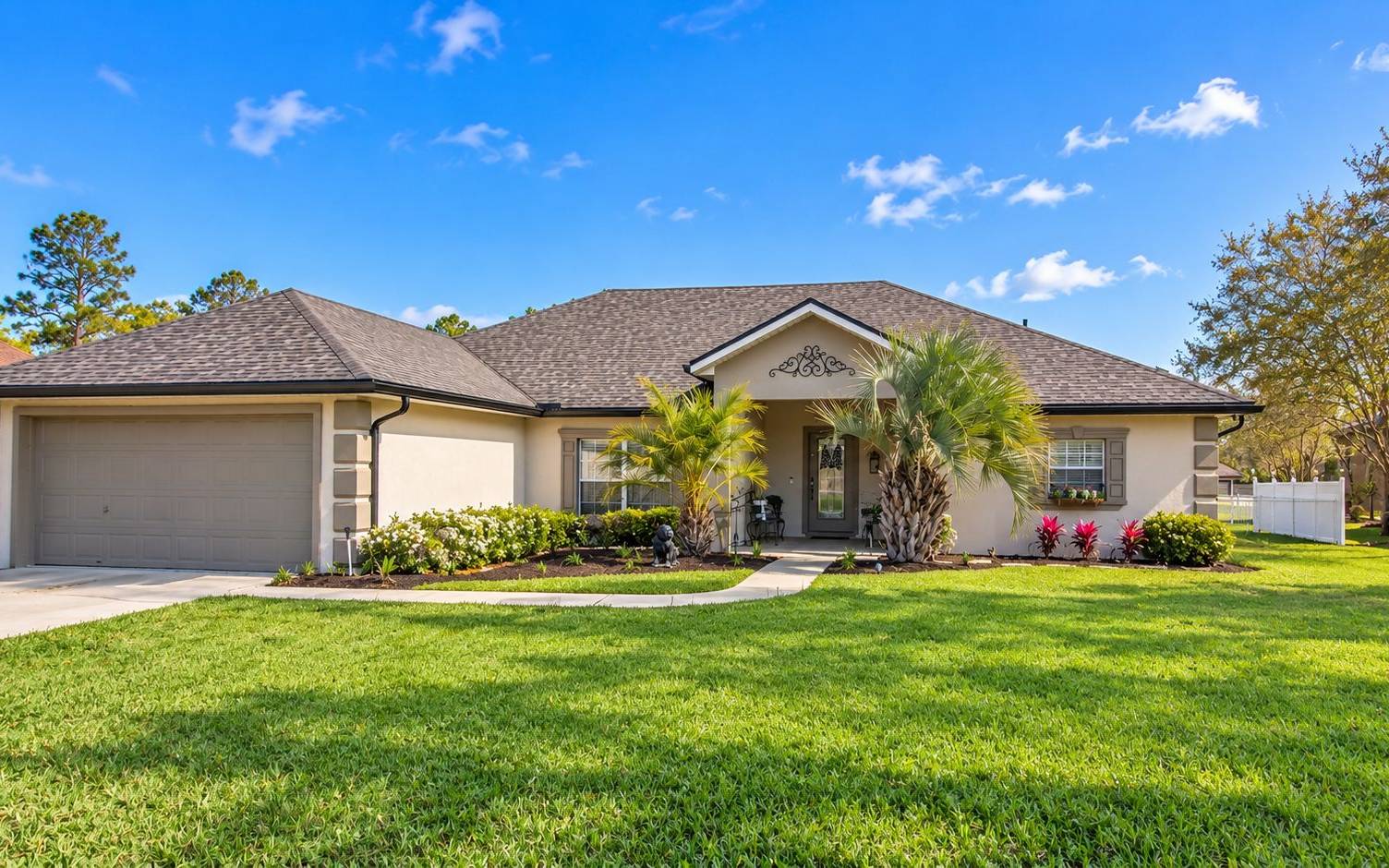
Thinking about buying a home in Florida but wondering if waiting until 2027 could save you money? You're not alone.
With mortgage rates, home prices, and housing inventory constantly changing, many potential buyers are asking the same question: Is now a good time to buy a house, or would it be smarter to wait until next year?
As 2026 comes to an end, it's natural to wonder whether mortgage rates will fall, home prices will become more affordable, or better opportunities will appear in 2027.
But here's something many buyers overlook: Waiting for the perfect housing market doesn't always mean getting a better deal.
The right time to buy depends on your finances, your long-term plans, and the opportunities available in your local market.
If you're considering buying a home in Gainesville, Keystone Heights, Melrose, Starke, Hawthorne, or anywhere in North Florida, here's what you should know before deciding whether to buy now or wait until 2027.
1. Will Mortgage Rates Be Lower in 2027?
One of the biggest reasons buyers are considering waiting until 2027 is the hope that mortgage interest rates will decrease.
And it's easy to understand why.
Even a relatively small difference in your mortgage rate can have a noticeable impact on your monthly payment.
For example, consider a buyer purchasing a $300,000 home with a 10% down payment and a 30-year fixed-rate mortgage.
| Mortgage Rate | Monthly Principal & Interest |
|---|---|
| 7.0% | $1,796 |
| 6.5% | $1,707 |
| 6.0% | $1,619 |
| 5.5% | $1,533 |
Illustrative calculations based on a $270,000 loan over 30 years. Payments exclude property taxes, homeowners insurance, mortgage insurance, HOA fees, and maintenance.
A mortgage rate of 6% instead of 7% would save approximately $177 per month in principal and interest on this example loan.
That's a meaningful difference.
However, there's one important consideration: No one can guarantee where mortgage rates will be in 2027.
Rates respond to inflation, economic conditions, financial markets, and other factors that are difficult to predict.
Waiting solely because you expect rates to drop could mean putting your homeownership plans on hold without knowing whether financing will actually become more affordable.
What if you buy now and rates drop later?
Depending on your loan terms and financial circumstances, refinancing may be an option if rates fall.
However, refinancing is not guaranteed. It involves qualification requirements, closing costs, and an evaluation of whether the potential savings justify the expense.
The takeaway: Don't base your entire homebuying decision on a mortgage rate prediction. Focus on whether the payment you can secure today fits comfortably within your budget.
2. Will Florida Home Prices Drop in 2027?
Another common question is whether Florida home prices will become more affordable next year.
The answer depends heavily on location.
Florida isn't one single housing market.
Real estate conditions in Miami, Tampa, Orlando, Jacksonville, Gainesville, and smaller North Florida communities can vary significantly.
Even within the same county, one neighborhood may have more available homes and price reductions while another experiences stronger buyer competition.
What could happen to home prices in 2027?
Several scenarios are possible:
-
Prices could decrease in areas where inventory exceeds buyer demand.
-
Prices could remain relatively stable as buyers and sellers adjust to market conditions.
-
Prices could increase if buyer demand strengthens or desirable homes become harder to find.
That's why looking at local housing data is more useful than relying on national headlines.
If you're searching for homes in Keystone Heights, Melrose, Hawthorne, Starke, or Gainesville, pay attention to current asking prices, recent comparable sales, days on market, and seller concessions.
These factors can help you evaluate whether a property is competitively priced today.
3. Why Buying Before the End of 2026 Could Work in Your Favor
While many buyers assume spring is the best time to purchase a home, the final months of the year can offer advantages worth considering.
Less Competition From Other Buyers
Some buyers temporarily pause their home searches during the holiday season.
Depending on local conditions, that can mean fewer competing offers and a more relaxed homebuying experience.
You may have more time to tour properties, review disclosures, and carefully evaluate your options.
Sellers May Be More Open to Negotiation
A homeowner who has had a property listed for several months may be motivated to reach an agreement before the new year.
That doesn't mean every seller will accept a lower offer, but it may create opportunities to negotiate:
-
Purchase price.
-
Seller-paid closing costs.
-
Mortgage rate buydowns.
-
Repairs or repair credits.
-
Closing dates.
For buyers focused on affordability, negotiating the right concessions can sometimes make a larger difference than waiting for a modest price reduction.
More Time To Evaluate Available Homes
When competition is less intense, buyers may feel less pressure to make immediate decisions.
That can be especially valuable when purchasing homes with acreage, waterfront properties, or older homes that require additional due diligence.
The takeaway: Buying toward the end of the year may create opportunities, but those advantages depend on the property and the local market.
4. The Hidden Cost of Waiting Until 2027
Waiting to purchase a home isn't necessarily a bad decision.
However, it's important to consider what waiting could cost, not just what it might save.
Let's look at a hypothetical example.
Suppose you're considering a $300,000 home with a 10% down payment.
<escape>Scenario A: Buy Now</escape>
-
Purchase price: $300,000
-
Down payment: $30,000
-
Mortgage amount: $270,000
-
Interest rate: 6.5%
-
Monthly principal and interest: Approximately $1,707
<escape>Scenario B: Wait Until 2027</escape>
Imagine the same home increases in price by 3%, but the mortgage rate falls to 6%.
-
Purchase price: $309,000
-
Down payment: $30,900
-
Mortgage amount: $278,100
-
Interest rate: 6%
-
Monthly principal and interest: Approximately $1,667
In this example, waiting results in a payment that's about $40 lower per month, despite paying $9,000 more for the home.
But if prices rise more significantly, or rates don't fall as expected, the outcome could be very different.
Conversely, if prices decrease and rates improve, waiting could work in your favor.
These examples illustrate why a lower mortgage rate doesn't automatically guarantee a better overall purchase, and a higher rate doesn't automatically mean buying now is the wrong decision.
You should also consider how much you'll spend on rent while waiting, the savings you'll accumulate, the upfront costs of buying, and the flexibility renting provides.
5. What About Homes With Acreage in North Florida?
For buyers searching for land, privacy, and country living, the decision to buy now or wait can involve additional considerations.
North Florida offers a variety of properties, including homes on acreage, rural homesteads, waterfront properties, and land suitable for certain agricultural uses.
But these properties aren't always interchangeable.
A home with five cleared acres, established fencing, a well, and a workshop may offer features that are difficult to find in another property at the same price.
Similarly, a waterfront home with a private dock or a property with existing equestrian facilities may appeal to buyers with specific needs.
What Should Acreage Buyers Consider?
Before purchasing a rural property, evaluate:
-
Zoning and permitted land uses.
-
Property boundaries and surveys.
-
Flood zones and wetlands.
-
Well and septic conditions.
-
Road access and easements.
-
Existing structures and improvements.
-
Financing requirements for the property type.
If you find a property that meets your needs, fits your budget, and passes the appropriate inspections and due diligence, waiting for an uncertain market change may not necessarily produce a better alternative.
Explore available properties: Browse homes for sale in North Florida.
6. When Waiting Until 2027 Might Be the Better Decision
Buying a home is a major financial commitment, and sometimes waiting is absolutely the right choice.
You may benefit from delaying your purchase if:
You Need More Savings
Building a larger emergency fund or saving for closing costs can help you enter homeownership with greater financial security.
Your Monthly Budget Is Too Tight
If your estimated housing payment would leave little room for emergencies, repairs, or everyday expenses, waiting may be the more responsible option.
You're Working on Your Credit
Improving your credit profile could help you qualify for better financing terms.
Your Employment or Income Is Uncertain
A stable financial situation is important when taking on a long-term mortgage.
You're Unsure Where You Want To Live
If you may relocate soon, renting can provide flexibility without the transaction costs associated with buying and selling.
You Haven't Found the Right Property
Buying a home simply because you're worried about missing out can lead to unnecessary compromises.
The goal isn't to buy before 2027 at any cost.
The goal is to purchase a home that makes sense for your lifestyle and financial future.
7. When Buying Now Could Make More Sense
On the other hand, buying before the end of 2026 may be worth considering if you're financially prepared.
You may be in a good position to purchase if:
-
You have a stable income and manageable debt.
-
You've saved enough for your down payment, closing costs, and emergency reserves.
-
You understand your full monthly housing expenses.
-
You plan to stay in the home long enough to justify the purchase costs.
-
You've found a property that fits your needs.
-
You're comfortable with the mortgage terms available today.
-
The home's asking price is supported by comparable local sales.
If these factors align, waiting for a particular date on the calendar may not offer a meaningful advantage.
8. Could Seller Concessions Make Buying Now More Affordable?
One opportunity buyers shouldn't overlook is the ability to negotiate seller concessions.
Rather than simply requesting a lower purchase price, buyers may be able to negotiate assistance with certain upfront expenses or financing costs.
Seller-Paid Closing Costs
A seller may agree to contribute toward eligible buyer closing costs, subject to loan program limits.
This could help a buyer preserve more savings after closing.
Mortgage Rate Buydowns
A mortgage rate buydown can reduce the buyer's interest rate, either temporarily or permanently, depending on the structure.
For example, a temporary 2-1 buydown generally reduces the effective interest rate by two percentage points in the first year and one percentage point in the second year before returning to the original note rate.
The buyer must still qualify under the lender's applicable requirements, and the full payment at the note rate needs to be affordable.
Repair Credits
If an inspection identifies issues, buyers may be able to negotiate repairs or permitted credits rather than paying for everything themselves after closing.
Seller concessions aren't guaranteed, but understanding these options can help buyers compare the actual costs of different homes.
9. Should You Buy Now or Wait Until 2027? A Quick Comparison
| Buying Now May Make Sense If… | Waiting May Make Sense If… |
|---|---|
| You're financially prepared | You need more savings |
| You can comfortably afford today's payment | The payment would strain your budget |
| You've found a home that meets your needs | You're still uncertain about your location |
| You plan to stay for several years | You may relocate soon |
| You can negotiate favorable terms | You need time to improve your credit |
| The price aligns with local comparable sales | You haven't found the right property |
Neither column guarantees a better financial outcome.
The decision should be based on your circumstances, not an assumption that the market will move in one particular direction.
10. How To Make the Right Homebuying Decision in North Florida
If you're considering buying a home in the coming months, start by answering three important questions.
What Can You Comfortably Afford?
Get pre-approved through a reputable mortgage lender and request an estimate of your full monthly payment, including taxes, insurance, mortgage insurance if applicable, and any HOA fees.
What Are Homes Actually Selling For?
Review recent comparable sales and current listings in your preferred area.
A home's asking price doesn't necessarily reflect its market value.
Does the Property Fit Your Long-Term Goals?
Think beyond the purchase price.
Consider commute times, property maintenance, future space needs, school preferences, and whether the home fits the lifestyle you want.
An experienced local real estate professional can help you understand available properties, evaluate comparable sales, and navigate the purchase process.
Frequently Asked Questions
Is November or December a good time to buy a house in Florida?
It can be. Some markets experience reduced buyer competition toward the end of the year, potentially creating negotiating opportunities. However, inventory and seller motivation vary by location and property.
Will mortgage rates drop in 2027?
Mortgage rates could rise or fall depending on economic conditions. Forecasts can provide perspective, but future rates cannot be guaranteed.
Will Florida home prices be cheaper in 2027?
Some Florida markets may experience price declines, while others may remain stable or increase. Local supply, demand, and economic conditions will influence pricing.
Is it better to buy a house when prices are lower or when mortgage rates are lower?
Both matter. A lower purchase price can reduce the amount financed and the cash needed upfront, while a lower mortgage rate can reduce monthly payments and interest costs. Compare the total cost of each scenario.
Should first-time homebuyers wait until 2027?
First-time buyers should prioritize affordability, savings, credit, and long-term plans rather than trying to predict the perfect market.
Is North Florida a good place to buy a home?
North Florida offers a wide variety of housing options, from established neighborhoods to rural acreage and waterfront properties. Whether it's a good fit depends on your budget, lifestyle, employment, and preferred location.
The Bottom Line: Should You Buy a House Now or Wait Until 2027?
The best time to buy a house isn't necessarily when mortgage rates are at their lowest or home prices have reached the bottom. It's when you're financially ready and find a home that meets your needs at a price you can comfortably afford.
Waiting until 2027 could bring lower rates, more inventory, or better prices. But it could also bring increased competition, higher home prices, or financing conditions that aren't significantly different.
Instead of trying to time the market perfectly, focus on what you can control: your budget, financing, property selection, and negotiating strategy.
Ready To Explore Homes for Sale in North Florida?
Whether you're ready to buy before the end of 2026 or planning ahead for 2027, CB Isaac Realty can help you explore available properties throughout North Florida.
From homes in Keystone Heights and Melrose to acreage properties in Hawthorne, Starke, Gainesville, and surrounding communities, there's a wide range of options to consider.
BROWSE NORTH FLORIDA HOMES FOR SALE
CB Isaac Realty
Phone: 352-475-2199
Website: www.cbisaacrealty.com
