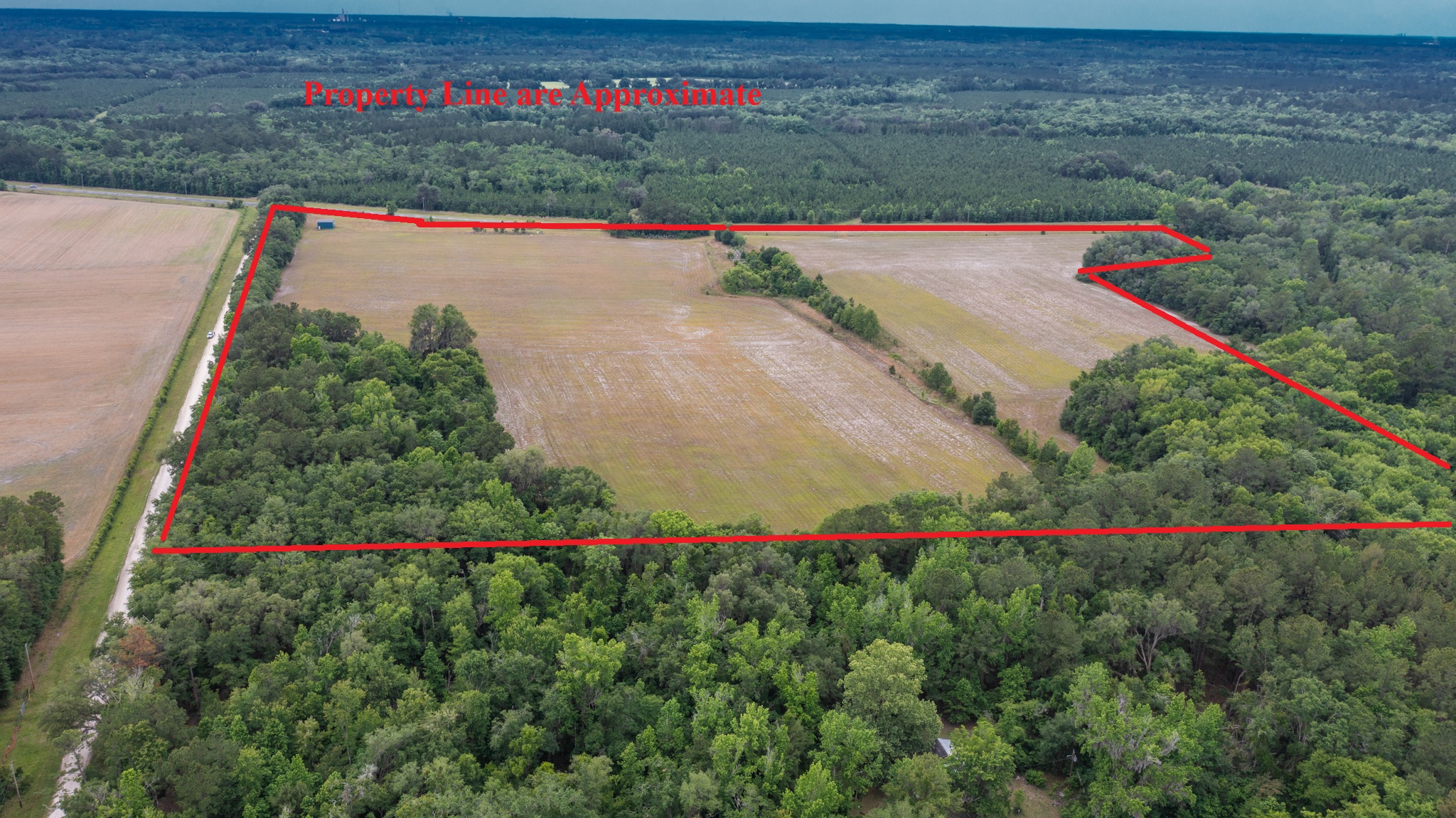
If you’re looking at land in North Florida — whether in Keystone Heights, Melrose, Hawthorne, Starke, Putnam County, Bradford County, or the outskirts of Jacksonville — chances are you’ve come across the term “Agricultural Zoning.”
But what does it actually mean?
Does it mean you have to farm?
Can you build a house?
Can you place a mobile or manufactured home?
Can you have animals?
Understanding agricultural zoning is essential before buying or selling land in Florida. Let’s break it down clearly.
What Is Agricultural Zoning (AG)?
Agricultural zoning — often labeled “AG” — is a land-use designation created by a county or municipality to preserve land primarily for farming, livestock, timber production, and rural uses.
However, in many parts of Florida, agricultural zoning offers far more flexibility than people assume.
In North Florida especially, AG-zoned land often allows:
-
Single-family homes
-
Mobile or manufactured homes (county-specific)
-
Barns and workshops
-
Livestock (horses, cows, goats, chickens)
-
Farming and gardening
-
Timber production
-
Accessory dwellings (varies by county)
This flexibility is one reason agricultural land remains in high demand throughout rural areas like Hawthorne, Melrose, Keystone Heights, and LaCrosse.
Can You Build a House on Agricultural Land?
In most Florida counties, yes.
Agricultural zoning typically allows at least one primary residence per parcel. However, density rules vary depending on:
-
Minimum lot size requirements
-
Wetlands or flood zone restrictions
-
Septic and well regulations
-
Local comprehensive land use plans
Before purchasing AG land, it’s always wise to confirm:
-
Minimum acreage required to build
-
Setback requirements
-
Utility access
-
Easements
-
Impact fees
Every county handles AG zoning slightly differently.
Can You Put a Mobile or Manufactured Home on AG Land?
In many North Florida counties, the answer is yes — but not always.
Some counties allow:
-
Newer manufactured homes only
-
Certain minimum square footage
-
Specific skirting or foundation requirements
-
Wind zone compliance
Others restrict older mobile homes or require permanent foundations.
If your goal is a manufactured home, homestead property, or rural lifestyle setup, zoning verification is critical before purchase.
Agricultural Zoning vs. Agricultural Classification
This is where many buyers get confused.
Zoning determines how land can be used.
Agricultural classification (Greenbelt exemption) is a tax benefit for land actively used for agriculture.
Just because land is zoned AG does not automatically mean it qualifies for agricultural tax savings.
To receive agricultural tax classification, you must:
-
Actively use the land for agriculture
-
Meet county income or production requirements
-
Apply through the county property appraiser
Understanding the difference can significantly impact your property taxes.
Why Agricultural Land Is Popular in North Florida
In areas like:
-
Keystone Heights
-
Melrose
-
Hawthorne
-
Starke
-
Putnam County
-
Bradford County
-
Alachua County rural corridors
Buyers are drawn to agricultural land because it offers:
-
Space and privacy
-
Lower price per acre compared to urban markets
-
Flexibility of use
-
Fewer HOA restrictions
-
Opportunity for homesteading
-
Livestock ownership
-
Investment potential
With remote work expanding and more buyers seeking land and lifestyle flexibility, agricultural properties have become increasingly attractive.
What to Check Before Buying AG-Zoned Property
Before purchasing agricultural land in Florida, consider:
-
Is the land high and dry?
-
What percentage is wetlands?
-
Is electricity available?
-
Does it have an existing well or septic?
-
Are there deed restrictions?
-
What is the road access?
-
What are the minimum build requirements?
-
Is it currently receiving agricultural tax exemption?
-
Are there easements or access agreements?
-
What is the long-term development potential?
A knowledgeable local real estate professional can help navigate these details before you close.
Is Agricultural Land a Good Investment in 2026?
In North Florida, agricultural land continues to attract:
-
Investors
-
Developers
-
Homesteaders
-
Multi-generational families
-
Buyers relocating from urban areas
As Gainesville and Jacksonville continue expanding outward, rural land with infrastructure already in place is drawing increased attention.
Strategic AG parcels near growing corridors often see long-term appreciation potential — particularly those with road frontage, irrigation, fencing, or cleared acreage.
The Bottom Line
Agricultural zoning in Florida doesn’t mean “farm only.”
It often means flexibility, opportunity, and lifestyle.
But zoning rules vary county by county, and small details can make a big difference in what you’re allowed to do with a property.
Whether you’re looking to:
-
Build a home
-
Place a manufactured home
-
Start a homestead
-
Raise livestock
-
Invest in acreage
-
Sell agricultural land
Understanding zoning is the first step.
If you’re considering buying or selling agricultural property in North Florida, working with a brokerage that understands rural land is essential.
Because when it comes to land — the details matter.
:format(webp):quality(80)/u.realgeeks.media/cbisaacrealty/cbi_logo(2).png)