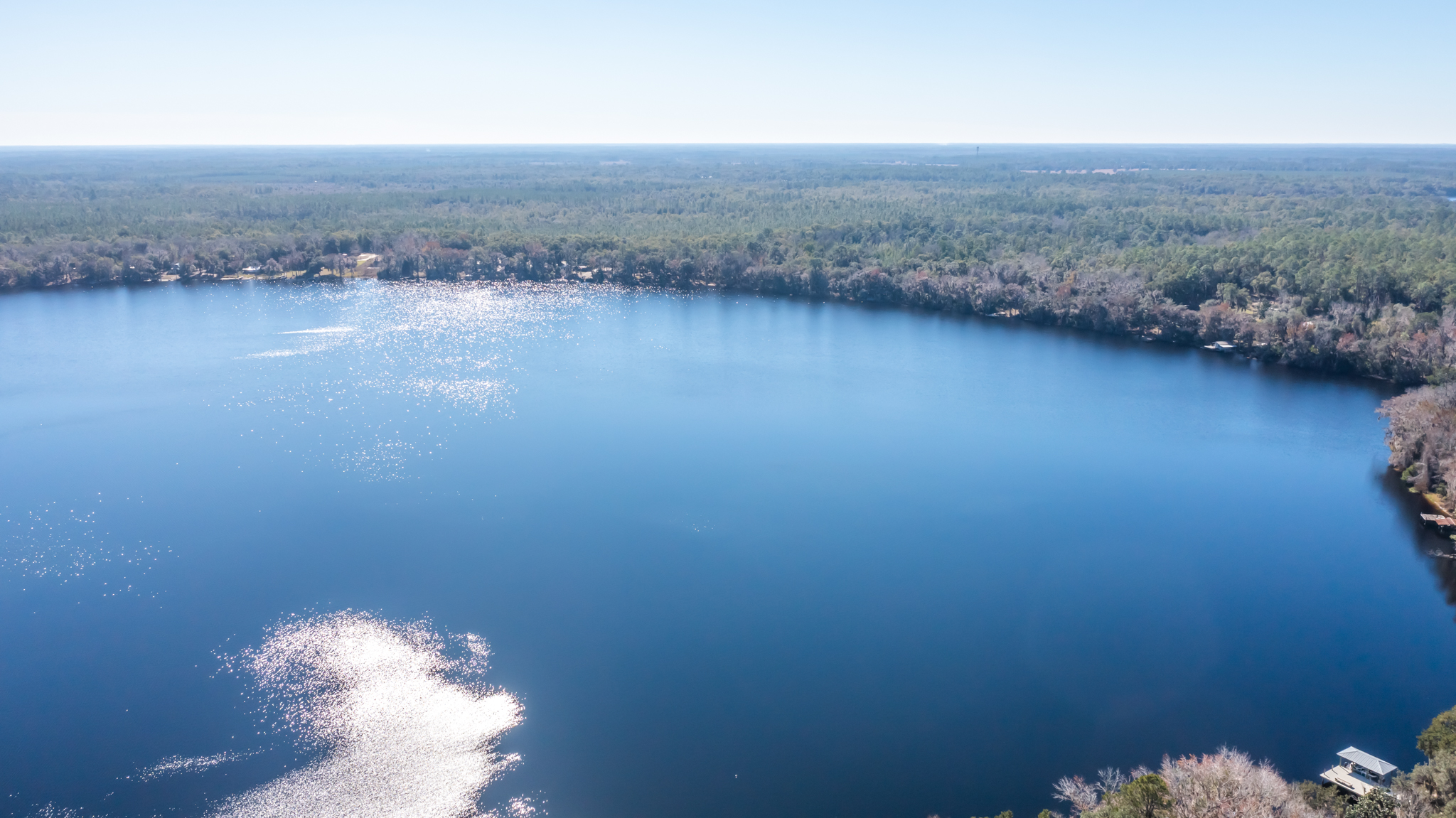
There’s something timeless about lakefront living in North Florida.
Morning coffee with mist rising off the water. Kayaks pulled up along the shoreline. Evenings on the dock watching the sunset reflect across the lake.
From Keystone Heights to Melrose, Hawthorne, Interlachen, and beyond, lakefront property remains one of the most desirable, and nuanced, real estate investments in the region.
But not all “lakefront” properties are created equal.
If you’re considering buying lakefront property in North Florida in 2026, here’s what you need to know before you make an offer.
1. Understand the Difference: Lakefront vs. Lake Access
This is one of the biggest misunderstandings in lake property.
Lakefront means:
-
You own the property directly bordering the water.
-
You typically control shoreline access.
-
You may be able to build a private dock (depending on regulations).
Lake Access means:
-
You have deeded access through an easement, HOA, or shared area.
-
You may use a community dock or launch.
-
Your home does not sit directly on the water.
The value difference between these two can be substantial. Always verify the legal description, survey, and access rights.
2. Check the Lake Type: Recreational vs. Private
North Florida lakes vary widely.
Ask:
-
Is the lake public or private?
-
Are motorboats allowed?
-
Is it spring-fed?
-
Does the lake maintain stable water levels?
For example:
-
Some lakes allow skiing and wakeboarding.
-
Others are no-wake or non-motorized only.
-
Some lakes fluctuate seasonally depending on rainfall.
Understanding the lake itself is just as important as the home.
3. Review Flood Zones & Elevation
Even if a property is waterfront, it may not require flood insurance, but you must verify.
Key questions:
-
Is the home in a FEMA flood zone?
-
What is the elevation above the water line?
-
Has the property ever flooded?
-
Are there recorded high-water marks?
Flood insurance costs can significantly impact monthly ownership expenses. Reviewing elevation certificates early protects you from surprises.
4. Shoreline Regulations & Dock Permits
In Florida, you can’t always build whatever you want at the water’s edge.
Before buying:
-
Confirm dock permit requirements.
-
Check shoreline setback rules.
-
Review county or water management district regulations.
-
Ask if a dock is grandfathered or permitted.
If a dock already exists, verify it is compliant.
5. Inspect Seawalls & Shoreline Stability
Not all lakefront properties have natural shoreline.
Look for:
-
Seawall condition (if applicable)
-
Erosion signs
-
Sinkholes or shoreline washout
-
Tree root stability near water
Seawall repairs can be costly. If one exists, inspect it thoroughly.
6. Utilities: Well, Septic, and Irrigation
Many lake homes in North Florida rely on:
-
Private wells
-
Septic systems
-
Irrigation systems
Before purchasing:
-
Inspect the septic system.
-
Check the well age and water quality.
-
Verify pump condition.
-
Confirm irrigation permits (if pulling from the lake).
Waterfront living often means rural infrastructure — and that requires due diligence.
7. Insurance Considerations
Lakefront homes may carry:
-
Higher wind coverage
-
Flood insurance
-
Additional liability coverage
It’s smart to obtain insurance quotes before closing so you fully understand ownership costs.
8. HOA & Community Rules
Some lake communities, especially in areas like Keystone Heights or Melrose, include HOAs.
Review:
-
Dock rules
-
Short-term rental restrictions
-
Boat storage policies
-
HOA fees and financial health
Lifestyle expectations matter just as much as property features.
9. Rental & Investment Potential
Many buyers consider lakefront property as:
-
Vacation rentals
-
Airbnb opportunities
-
Second homes
-
Long-term appreciation plays
Check:
-
County short-term rental regulations
-
Zoning compliance
-
HOA rental restrictions
In desirable lake regions, strong rental demand can offset ownership costs.
10. Long-Term Value & Market Trends
Lakefront property in North Florida has remained resilient due to:
-
Limited inventory
-
Lifestyle-driven demand
-
Migration from urban markets
-
Remote work flexibility
Waterfront real estate often holds value better than non-waterfront homes, but pricing still depends on:
-
Lake quality
-
Condition of the home
-
Accessibility
-
Marketing strategy
Why Lakefront Living in North Florida Is So Popular in 2026
Buyers today are prioritizing:
-
Outdoor lifestyle
-
Privacy and space
-
Lower density living
-
Affordability compared to coastal Florida
North Florida lakefront offers:
-
More acreage
-
Less congestion
-
Lower taxes than coastal markets
-
Strong community culture
It’s not just about the water, it’s about the lifestyle.
Final Thoughts: Lakefront Is a Lifestyle Investment
Buying lakefront property isn’t just a real estate transaction, it’s a lifestyle decision.
Before you buy:
-
Verify water rights.
-
Inspect shoreline stability.
-
Understand insurance costs.
-
Review dock regulations.
-
Confirm flood zones.
-
Analyze long-term value.
When properly vetted, lakefront property can be one of the most rewarding investments you make.
Thinking About Buying Lakefront Property in North Florida?
Whether you're looking in:
-
Keystone Heights
-
Melrose
-
Hawthorne
-
Interlachen
-
Starke
-
Putnam County
-
Clay County
-
Alachua County
Our team at CB Isaac Realty specializes in lakefront, land, and rural property throughout North Florida.
We’ll help you:
-
Evaluate true waterfront value
-
Review flood & zoning concerns
-
Understand lake-specific factors
-
Negotiate confidently
📞 Ready to explore available lakefront homes or land?
Visit our website for current listings or reach out for a personalized property search.
Your lake life might be closer than you think.
.png)