North Florida Real Estate Blog

by CB Isaac Realty


Feb. 24, 2026

What to Look for Before Buying Lakefront Property in North Florida (2026 Buyer’s Guide)

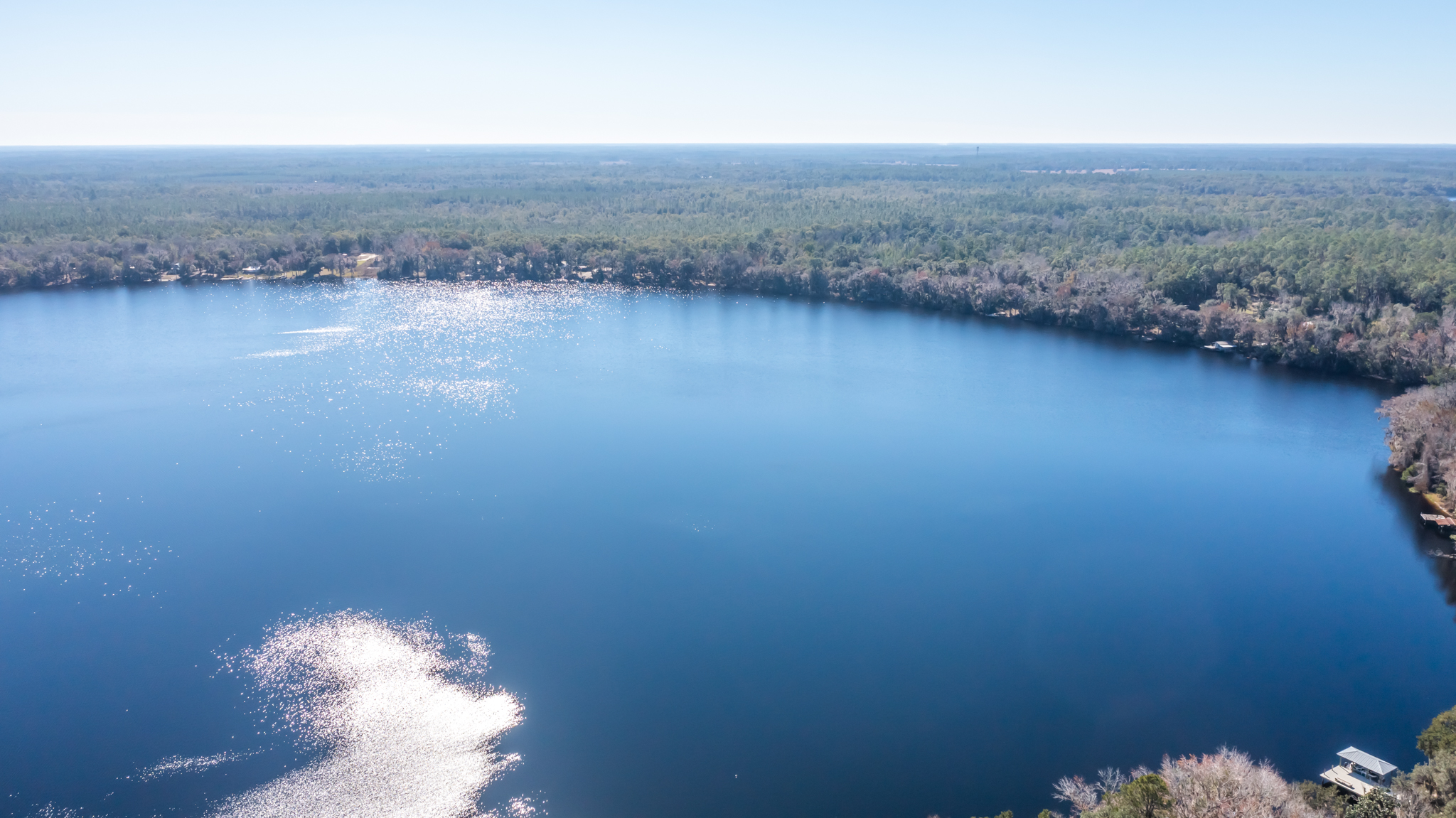
There’s something timeless about lakefront living in North Florida.

Morning coffee with mist rising off the water. Kayaks pulled up along the shoreline. Evenings on the dock watching the sunset reflect across the lake.

From Keystone Heights to Melrose, Hawthorne, Interlachen, and beyond, lakefront property remains one of the most desirable, and nuanced, real estate investments in the region.

But not all “lakefront” properties are created equal.

If you’re considering buying lakefront property in North Florida in 2026, here’s what you need to know before you make an offer.


1. Understand the Difference: Lakefront vs. Lake Access

This is one of the biggest misunderstandings in lake property.

Lakefront means:

  • You own the property directly bordering the water.

  • You typically control shoreline access.

  • You may be able to build a private dock (depending on regulations).

Lake Access means:

  • You have deeded access through an easement, HOA, or shared area.

  • You may use a community dock or launch.

  • Your home does not sit directly on the water.

The value difference between these two can be substantial. Always verify the legal description, survey, and access rights.


2. Check the Lake Type: Recreational vs. Private

North Florida lakes vary widely.

Ask:

  • Is the lake public or private?

  • Are motorboats allowed?

  • Is it spring-fed?

  • Does the lake maintain stable water levels?

For example:

  • Some lakes allow skiing and wakeboarding.

  • Others are no-wake or non-motorized only.

  • Some lakes fluctuate seasonally depending on rainfall.

Understanding the lake itself is just as important as the home.


3. Review Flood Zones & Elevation

Even if a property is waterfront, it may not require flood insurance, but you must verify.

Key questions:

  • Is the home in a FEMA flood zone?

  • What is the elevation above the water line?

  • Has the property ever flooded?

  • Are there recorded high-water marks?

Flood insurance costs can significantly impact monthly ownership expenses. Reviewing elevation certificates early protects you from surprises.


4. Shoreline Regulations & Dock Permits

In Florida, you can’t always build whatever you want at the water’s edge.

Before buying:

  • Confirm dock permit requirements.

  • Check shoreline setback rules.

  • Review county or water management district regulations.

  • Ask if a dock is grandfathered or permitted.

If a dock already exists, verify it is compliant.


5. Inspect Seawalls & Shoreline Stability

Not all lakefront properties have natural shoreline.

Look for:

  • Seawall condition (if applicable)

  • Erosion signs

  • Sinkholes or shoreline washout

  • Tree root stability near water

Seawall repairs can be costly. If one exists, inspect it thoroughly.


6. Utilities: Well, Septic, and Irrigation

Many lake homes in North Florida rely on:

  • Private wells

  • Septic systems

  • Irrigation systems

Before purchasing:

  • Inspect the septic system.

  • Check the well age and water quality.

  • Verify pump condition.

  • Confirm irrigation permits (if pulling from the lake).

Waterfront living often means rural infrastructure — and that requires due diligence.


7. Insurance Considerations

Lakefront homes may carry:

  • Higher wind coverage

  • Flood insurance

  • Additional liability coverage

It’s smart to obtain insurance quotes before closing so you fully understand ownership costs.


8. HOA & Community Rules

Some lake communities, especially in areas like Keystone Heights or Melrose, include HOAs.

Review:

  • Dock rules

  • Short-term rental restrictions

  • Boat storage policies

  • HOA fees and financial health

Lifestyle expectations matter just as much as property features.


9. Rental & Investment Potential

Many buyers consider lakefront property as:

  • Vacation rentals

  • Airbnb opportunities

  • Second homes

  • Long-term appreciation plays

Check:

  • County short-term rental regulations

  • Zoning compliance

  • HOA rental restrictions

In desirable lake regions, strong rental demand can offset ownership costs.


10. Long-Term Value & Market Trends

Lakefront property in North Florida has remained resilient due to:

  • Limited inventory

  • Lifestyle-driven demand

  • Migration from urban markets

  • Remote work flexibility

Waterfront real estate often holds value better than non-waterfront homes, but pricing still depends on:

  • Lake quality

  • Condition of the home

  • Accessibility

  • Marketing strategy


Why Lakefront Living in North Florida Is So Popular in 2026

Buyers today are prioritizing:

  • Outdoor lifestyle

  • Privacy and space

  • Lower density living

  • Affordability compared to coastal Florida

North Florida lakefront offers:

  • More acreage

  • Less congestion

  • Lower taxes than coastal markets

  • Strong community culture

It’s not just about the water, it’s about the lifestyle.


Final Thoughts: Lakefront Is a Lifestyle Investment

Buying lakefront property isn’t just a real estate transaction, it’s a lifestyle decision.

Before you buy:

  • Verify water rights.

  • Inspect shoreline stability.

  • Understand insurance costs.

  • Review dock regulations.

  • Confirm flood zones.

  • Analyze long-term value.

When properly vetted, lakefront property can be one of the most rewarding investments you make.


Thinking About Buying Lakefront Property in North Florida?

Whether you're looking in:

  • Keystone Heights

  • Melrose

  • Hawthorne

  • Interlachen

  • Starke

  • Putnam County

  • Clay County

  • Alachua County

Our team at CB Isaac Realty specializes in lakefront, land, and rural property throughout North Florida.

We’ll help you:

  • Evaluate true waterfront value

  • Review flood & zoning concerns

  • Understand lake-specific factors

  • Negotiate confidently

📞 Ready to explore available lakefront homes or land?
Visit our website for current listings or reach out for a personalized property search.

Your lake life might be closer than you think.
Feb. 23, 2026

How to Finance Land in North Florida (2026 Guide)

Buying land in North Florida is one of the smartest long-term real estate moves you can make. Whether you’re planning to build a custom home, start a homestead, invest in timber or agriculture, or secure acreage for future development, financing land works differently than financing a house.

In this 2026 guide, we’ll walk you step-by-step through how land financing works in North Florida, what lenders require, current loan options, and how to position yourself for approval.


Why Financing Land Is Different Than Buying a House

When you finance a traditional home, the lender uses the structure as collateral. With land, there’s no home, just raw or partially improved property. That increases the lender’s risk.

Because of that:

  • Down payments are typically higher

  • Interest rates are slightly higher

  • Loan terms may be shorter

  • Approval guidelines are stricter

But don’t let that discourage you, land financing is very achievable with the right preparation.


Step 1: Understand the Type of Land You’re Buying

The type of property directly impacts financing options.

🌲 Raw Land

No utilities, no improvements, no road access.

  • Hardest to finance

  • Highest down payment (often 30–50%)

  • Higher interest rates

🚜 Improved Land

May include:

  • Well

  • Septic

  • Power

  • Road access

  • Cleared acreage

Easier to finance than raw land.

🏡 Land with a Mobile or Manufactured Home

May qualify for:

  • Land loan

  • Manufactured home loan

  • Combination package financing


Step 2: Know the Common Land Loan Options in North Florida

Here are the most common financing routes buyers use in 2026:


1️⃣ Local Bank or Credit Union Land Loans

Many North Florida buyers use local lenders who understand rural property.

Typical terms:

  • 20–35% down

  • 10–20 year term

  • Adjustable or fixed rates

  • Balloon payments sometimes included

Local lenders often understand:

  • Agricultural zoning

  • Timber tracts

  • Acreage values

  • Rural development potential


2️⃣ Farm Credit & Agricultural Lenders

For:

  • Large acreage

  • Farming operations

  • Timber land

  • Income-producing agricultural property

These lenders specialize in rural land and often offer:

  • Competitive rural rates

  • Flexible terms

  • Long-term agricultural lending options


3️⃣ Owner Financing

In some cases, sellers may offer:

  • 10–30% down

  • Short-term balloon

  • Negotiated interest rate

This can be helpful if:

  • The buyer wants quicker closing

  • Traditional financing is difficult

  • The property is unique or raw


4️⃣ Construction-to-Permanent Loans (If Building Soon)

If your plan is to build within 6–12 months, you may qualify for a:

  • Construction-to-permanent loan

This combines:

  • Land purchase

  • Construction financing

  • Permanent mortgage

Often requires:

  • Approved builder

  • Construction plans

  • Strong credit profile


Step 3: What Credit Score Do You Need?

Most land lenders look for:

  • 680+ preferred

  • 700+ for strongest rates

  • Lower scores possible with higher down payment

Strong compensating factors help:

  • Low debt-to-income ratio

  • Cash reserves

  • Stable employment

  • Experience with land ownership


Step 4: How Much Down Payment Is Required?

In 2026, expect:

Property Type Typical Down Payment
Raw Land 30–50%
Improved Land 20–35%
Agricultural Tracts 20–30%
Construction Package 10–20% (varies)

The more infrastructure in place, the lower the risk — and often the lower the down payment.


Step 5: Additional Costs Buyers Often Overlook

When financing land in North Florida, budget for:

  • Survey (if needed)

  • Soil test / perc test

  • Well and septic installation

  • Clearing costs

  • Driveway installation

  • Impact fees (if building)

  • Property taxes

  • Insurance (if structure added)

Land may seem affordable per acre — but development costs add up.


Step 6: Understanding Zoning Matters

Before financing land, confirm:

  • Agricultural zoning vs residential

  • Mobile home allowed?

  • Subdivision potential?

  • Minimum lot size requirements?

  • Flood zone classification?

  • Easements or access issues?

Lenders often verify these before final approval.


What Buyers Are Doing in 2026

Across North Florida — including Keystone Heights, Hawthorne, Melrose, Starke, Putnam County, and rural Jacksonville areas — buyers are financing land for:

  • Future custom homes

  • Homesteading

  • Timber investment

  • Recreational use

  • Agricultural income

  • Long-term appreciation plays

Demand for acreage remains strong because inventory is limited and development continues expanding outward from metro areas.


Is Financing Land a Smart Move?

If you:

  • Have long-term plans

  • Want to hedge against inflation

  • Value privacy and space

  • Plan to build later

  • Want agricultural tax benefits

Land can be one of the most stable real estate investments in North Florida.

But strategy matters.


How to Position Yourself for Approval

Here’s how serious buyers win:

  1. Get pre-qualified before shopping

  2. Know your build timeline

  3. Understand zoning

  4. Budget realistically

  5. Work with an agent experienced in land transactions

  6. Compare lender options

Land isn’t like buying a subdivision home — details matter.


Final Thoughts

Financing land in North Florida in 2026 is absolutely possible — but it requires preparation, understanding of rural lending guidelines, and working with professionals who understand acreage transactions.

The right lender + the right property + the right strategy = long-term wealth potential.

If you're considering buying land, acreage, or agricultural property in North Florida, our team at CB Isaac Realty can help you:

  • Evaluate property value

  • Understand zoning

  • Connect with local land lenders

  • Identify development potential

  • Navigate rural contracts

👉 Explore available land listings on our website
📞 Call or text anytime for guidance

Land isn’t just dirt — it’s opportunity.


Feb. 20, 2026

How Much Are Property Taxes in North Florida? (2026 County-by-County Breakdown)

Whether you’re buying a home, land, or investment property in North Florida, one of the biggest ongoing costs you’ll want to plan for is property taxes. While Florida doesn’t have a state property tax, local governments collect these taxes at the county level, and rates can vary widely depending on where your property is located, from rural acreage in Union County to suburban homes near Gainesville or Jacksonville.

In this guide, we’ll explain how property taxes are calculated in Florida, what exemptions are available, and give you a snapshot of what property tax bills might look like across key North Florida counties in 2026.


How Property Taxes Work in Florida

In Florida, property taxes are based on three things:

1. Property Assessed Value
This is determined by the County Property Appraiser and represents the value of your home or land. Tax bills are calculated based on a percentage of this assessed value.

2. Millage Rates (Tax Rates)
Each county sets its own “millage rate” — essentially how many dollars of tax are owed per $1,000 of assessed value. Since rates vary by county, two homes with the same value could have different tax bills based on where they’re located.

3. Exemptions and Caps
Florida offers significant tax relief through exemptions like the Homestead Exemption, which can reduce the taxable value of a primary residence by up to $50,000, lowering your annual tax bill.


What the Homestead Exemption Means

If you make a property your permanent residence and it qualifies, you may be eligible for a homestead exemption. This can reduce your taxable assessed value by up to $50,000:

  • $25,000 applies to all taxes, including school taxes

  • An additional $25,000 applies to non-school taxes only

This means if your home is worth $200,000 and you qualify for the exemption, only $150,000 of that value may be subject to property tax, reducing your bill significantly.


How Property Taxes Compare Across North Florida Counties (2026)

Property tax bills vary county to county, and while exact figures depend on assessed value and local millage, here’s a general overview of what you should expect across major North Florida markets:


🌀 Alachua County (Gainesville, Hawthorne, High Springs)

  • Alachua County often appears among Florida counties with a higher average property tax bill compared to many rural counties, reflecting local service costs in larger population centers.


📍 Clay County (Keystone Heights Area)

  • Clay County, while not at the top of statewide tax lists, supports robust services and school districts, which is reflected in millage rates. Buyers here should check the specific taxing district for the property they’re considering.


🌲 Putnam & Bradford Counties (Melrose, Starke, Lawtey)

  • These typically rural counties may have lower total tax bills than more urbanized areas, especially if the property is vacant land or agricultural. However, exemptions and homestead status can significantly influence the final amount owed.


🏡 Duval County (Jacksonville)

  • Jacksonville-area taxes can be higher than many rural counties due to population density, city services, and supporting school systems.


Example Tax Bill Scenarios

While specific numbers change with assessed value and millage rates each year, here’s an illustrative example:

✔ A $300,000 home with a homestead exemption in a rural county might see annual property taxes in the range of $2,000–$3,000.
✔ Higher-service counties near urban centers could see similar homes taxed at roughly $3,000–$4,000+, depending on millage rates.

These are estimates — individual tax bills can be higher or lower based on exact location, exemptions, and local taxing authorities.


Why These Differences Matter

Understanding property taxes is critical for:

  • Buyers budgeting for total monthly ownership costs

  • Land investors comparing long-term holding costs

  • Sellers positioning properties effectively

  • Retirees planning for predictable expenses

Even a small difference in millage rate or exemption eligibility can translate into hundreds or thousands of dollars over a year.


Tips to Reduce Your Property Tax Bill in Florida

  1. Apply for the Homestead Exemption early — deadlines vary by county but often fall around March 1 each year.

  2. Look into additional exemptions for seniors, veterans, disabled homeowners, or agricultural use where applicable.

  3. Research local millage rates before buying — choosing a county with lower tax rates can save money long-term.

  4. Use online tax estimators provided by County Property Appraisers for precise estimates.


The Bottom Line

Property taxes in North Florida are influenced by your county’s tax rate, how your property is classified, and any exemptions you qualify for. Since taxes are a recurring expense, understanding them before you buy land or a home helps you plan more confidently — and avoid surprises after closing.

If you’re evaluating properties in Keystone Heights, Hawthorne, Melrose, Starke, Lake Butler, Jacksonville or surrounding areas, we can help you estimate property taxes based on current millage and exemptions.

📞 Contact us to run an exact tax estimate for any property you’re considering!

Feb. 18, 2026

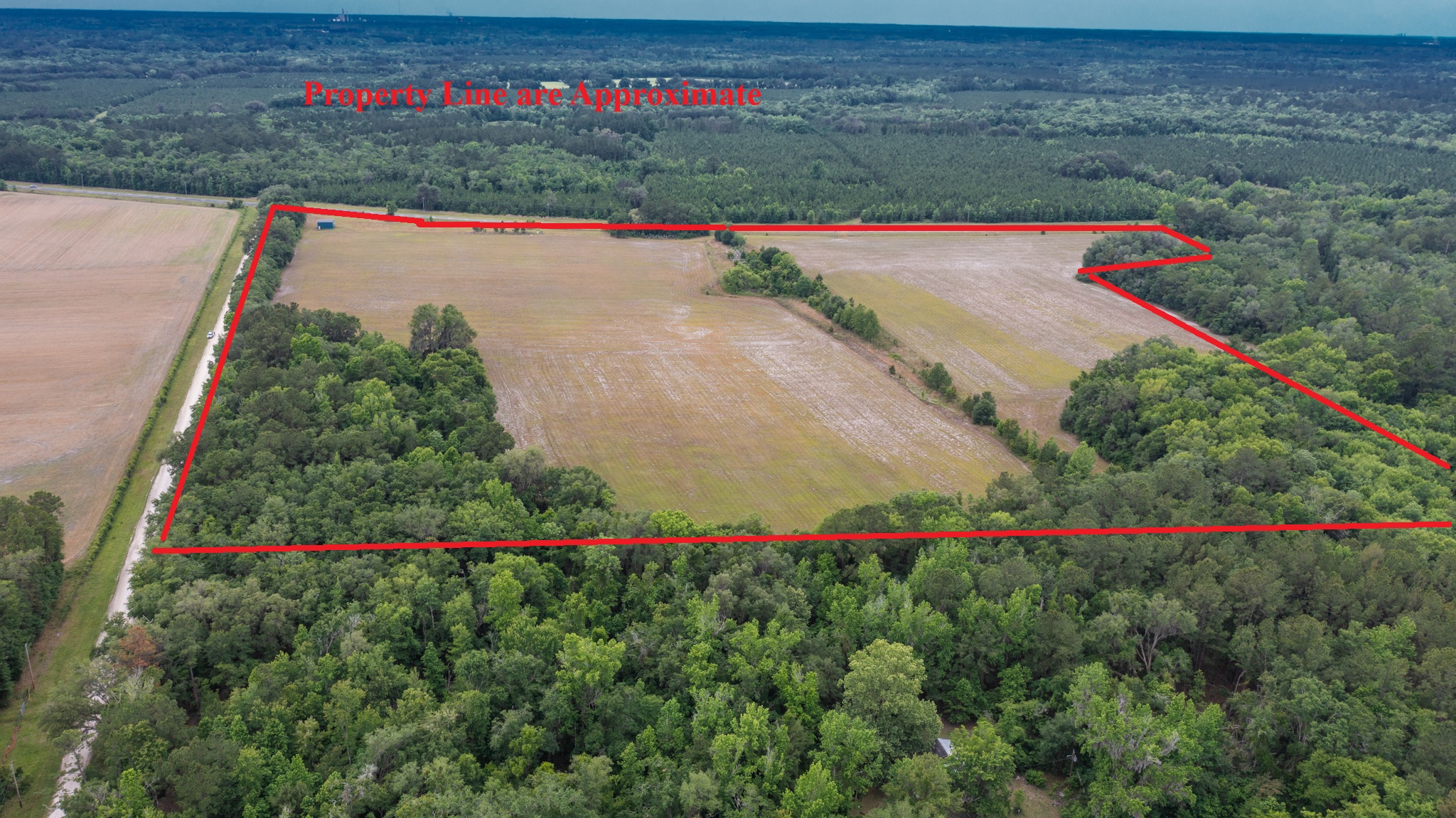
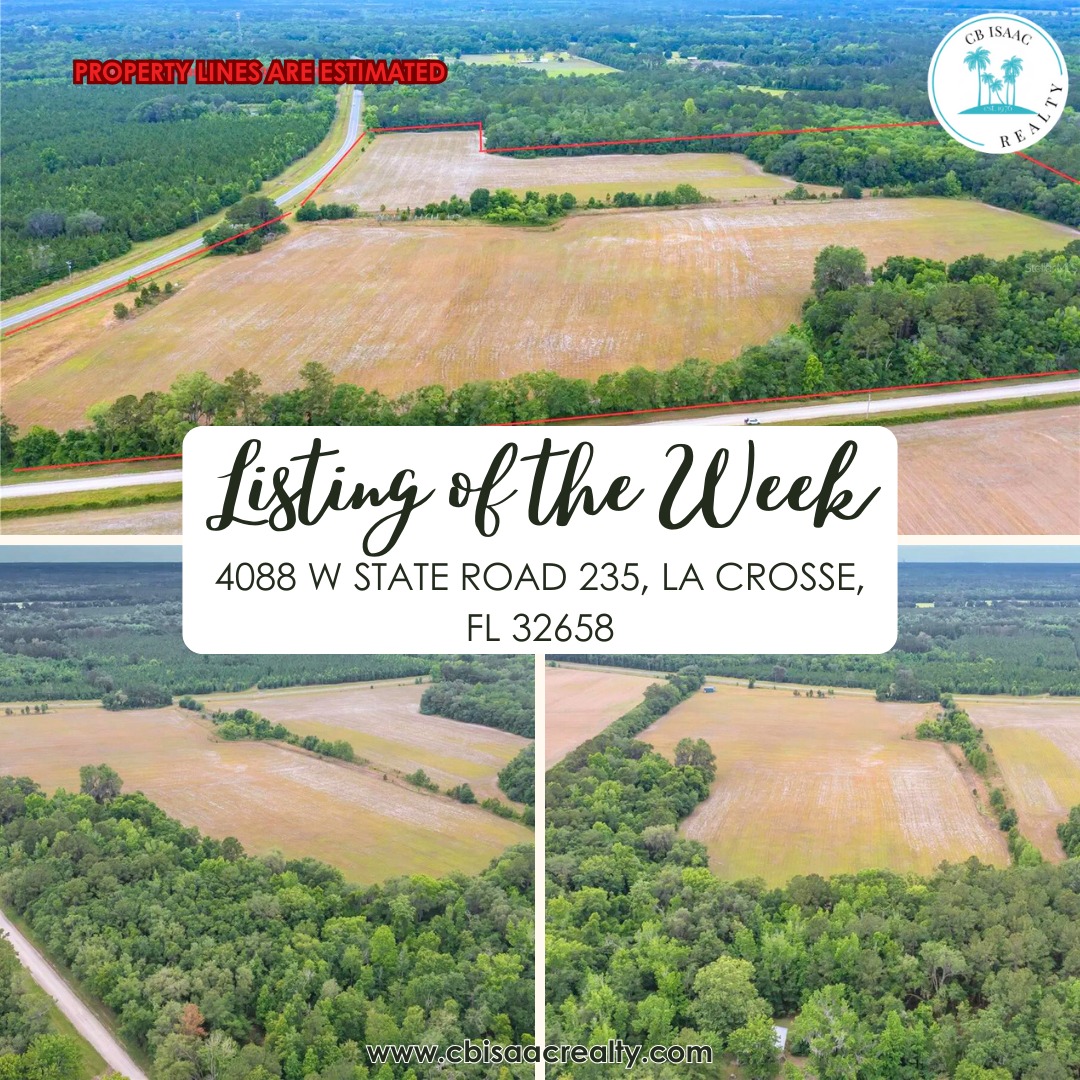
52.95 Irrigated Acres with Highway Frontage in Alachua, Florida – A Rare North Florida Land Opportunity

If you’ve been searching for large acreage in North Florida that’s actually usable from day one, this property deserves your attention.

📍 4088 W State Road 235, Alachua, FL 32658
💰 $800,000
🌱 52.95 Acres | Partially Irrigated | Partially Fenced | Highway Frontage

Located in the heart of Alachua County, this nearly 53-acre parcel offers the rare combination of infrastructure, visibility, accessibility, and long-term upside, all in one property.


Why This Land Is Different

Not all acreage is created equal.

Many large parcels require:

  • Clearing

  • Irrigation installation

  • Fencing

  • Utility access

  • Road improvements

This property already has the essentials in place.

Property Highlights:

✔ 52.95 mostly cleared acres
✔ Partial irrigation coverage
✔ Partially fenced perimeter
✔ 20x20 warehouse (storage/workshop/equipment)
✔ Direct frontage on State Road 235
✔ ~1,000 vehicles per day (excellent visibility)
✔ Electricity available
✔ Zoned Agricultural

This is land you can put to work immediately.


Ideal For Multiple Buyer Types

One of the strongest advantages of this property is its versatility.

🌾 Agricultural Operations

  • Row crops

  • Specialty crops

  • Hay production

  • Sod farm

  • Nursery operations

🐄 Livestock & Ranching

  • Cattle

  • Horses

  • Livestock expansion

🏗 Long-Term Investment

  • Land banking in growth corridor

  • Future development potential (subject to approvals)

  • Highway frontage appreciation

With Gainesville just a short drive away, you get rural tranquility while remaining connected to a strong regional market.


The Value of Irrigation

Irrigation is one of the most expensive components to install on agricultural land.

With approximately 90% of the property already equipped, a buyer saves:

  • Significant upfront capital

  • Months of installation time

  • Permitting delays

For serious agricultural operators, this alone creates major value.


Highway Frontage = Strategic Advantage

Direct frontage on State Road 235 provides:

  • Easy equipment access

  • Transport convenience

  • Daily visibility

  • Long-term positioning

Road frontage in Alachua County is increasingly sought after, especially for properties of this size.


North Florida Land Is Tightening

Large, irrigated parcels in Alachua County are becoming harder to find, particularly ones that are:

  • Cleared

  • Fenced

  • Accessible

  • Infrastructure-ready

Whether you're expanding an existing operation or securing a legacy land asset, opportunities like this don’t stay quiet for long.


Schedule a Private Showing

If you are serious about acquiring productive North Florida acreage, let’s talk.

📞 Call 352-475-2199
📩 Or request full details here:
👉 https://www.cbisaacrealty.com/property/GC530707/

We can provide:

  • Additional photos

  • Zoning details

  • Irrigation specifics

  • Survey information

  • Private tour scheduling


At CB Isaac Realty, we specialize in land, farm, and large-acreage properties across North Florida. If you’re looking for strategic land investments near Gainesville and throughout Alachua County, this is exactly the type of property we focus on.

Let’s discuss how this 52.95-acre opportunity could fit your goals.

Posted in Buying, Land, Real Estate
Feb. 17, 2026

What Does Agricultural Zoning Mean in Florida?

If you’re looking at land in North Florida — whether in Keystone Heights, Melrose, Hawthorne, Starke, Putnam County, Bradford County, or the outskirts of Jacksonville — chances are you’ve come across the term “Agricultural Zoning.”

But what does it actually mean?

Does it mean you have to farm?
Can you build a house?
Can you place a mobile or manufactured home?
Can you have animals?

Understanding agricultural zoning is essential before buying or selling land in Florida. Let’s break it down clearly.


What Is Agricultural Zoning (AG)?

Agricultural zoning — often labeled “AG” — is a land-use designation created by a county or municipality to preserve land primarily for farming, livestock, timber production, and rural uses.

However, in many parts of Florida, agricultural zoning offers far more flexibility than people assume.

In North Florida especially, AG-zoned land often allows:

  • Single-family homes

  • Mobile or manufactured homes (county-specific)

  • Barns and workshops

  • Livestock (horses, cows, goats, chickens)

  • Farming and gardening

  • Timber production

  • Accessory dwellings (varies by county)

This flexibility is one reason agricultural land remains in high demand throughout rural areas like Hawthorne, Melrose, Keystone Heights, and LaCrosse.


Can You Build a House on Agricultural Land?

In most Florida counties, yes.

Agricultural zoning typically allows at least one primary residence per parcel. However, density rules vary depending on:

  • Minimum lot size requirements

  • Wetlands or flood zone restrictions

  • Septic and well regulations

  • Local comprehensive land use plans

Before purchasing AG land, it’s always wise to confirm:

  • Minimum acreage required to build

  • Setback requirements

  • Utility access

  • Easements

  • Impact fees

Every county handles AG zoning slightly differently.


Can You Put a Mobile or Manufactured Home on AG Land?

In many North Florida counties, the answer is yes — but not always.

Some counties allow:

  • Newer manufactured homes only

  • Certain minimum square footage

  • Specific skirting or foundation requirements

  • Wind zone compliance

Others restrict older mobile homes or require permanent foundations.

If your goal is a manufactured home, homestead property, or rural lifestyle setup, zoning verification is critical before purchase.


Agricultural Zoning vs. Agricultural Classification

This is where many buyers get confused.

Zoning determines how land can be used.

Agricultural classification (Greenbelt exemption) is a tax benefit for land actively used for agriculture.

Just because land is zoned AG does not automatically mean it qualifies for agricultural tax savings.

To receive agricultural tax classification, you must:

  • Actively use the land for agriculture

  • Meet county income or production requirements

  • Apply through the county property appraiser

Understanding the difference can significantly impact your property taxes.


Why Agricultural Land Is Popular in North Florida

In areas like:

  • Keystone Heights

  • Melrose

  • Hawthorne

  • Starke

  • Putnam County

  • Bradford County

  • Alachua County rural corridors

Buyers are drawn to agricultural land because it offers:

  • Space and privacy

  • Lower price per acre compared to urban markets

  • Flexibility of use

  • Fewer HOA restrictions

  • Opportunity for homesteading

  • Livestock ownership

  • Investment potential

With remote work expanding and more buyers seeking land and lifestyle flexibility, agricultural properties have become increasingly attractive.


What to Check Before Buying AG-Zoned Property

Before purchasing agricultural land in Florida, consider:

  1. Is the land high and dry?

  2. What percentage is wetlands?

  3. Is electricity available?

  4. Does it have an existing well or septic?

  5. Are there deed restrictions?

  6. What is the road access?

  7. What are the minimum build requirements?

  8. Is it currently receiving agricultural tax exemption?

  9. Are there easements or access agreements?

  10. What is the long-term development potential?

A knowledgeable local real estate professional can help navigate these details before you close.


Is Agricultural Land a Good Investment in 2026?

In North Florida, agricultural land continues to attract:

  • Investors

  • Developers

  • Homesteaders

  • Multi-generational families

  • Buyers relocating from urban areas

As Gainesville and Jacksonville continue expanding outward, rural land with infrastructure already in place is drawing increased attention.

Strategic AG parcels near growing corridors often see long-term appreciation potential — particularly those with road frontage, irrigation, fencing, or cleared acreage.


The Bottom Line

Agricultural zoning in Florida doesn’t mean “farm only.”

It often means flexibility, opportunity, and lifestyle.

But zoning rules vary county by county, and small details can make a big difference in what you’re allowed to do with a property.

Whether you’re looking to:

  • Build a home

  • Place a manufactured home

  • Start a homestead

  • Raise livestock

  • Invest in acreage

  • Sell agricultural land

Understanding zoning is the first step.

If you’re considering buying or selling agricultural property in North Florida, working with a brokerage that understands rural land is essential.

Because when it comes to land — the details matter.

Feb. 13, 2026

52+ Acres of Opportunity: Why This LaCrosse Farmland Listing Is a Rare North Florida Investment

In North Florida, large tracts of productive farmland with infrastructure already in place are becoming increasingly difficult to find. As buyers search for agricultural investments, homestead opportunities, and long-term land appreciation, properties offering both usability and location are rising to the top of buyer wish lists.

One property currently capturing strong attention in the region is 4088 W State Road 235 in LaCrosse, Florida — a remarkable 52.95-acre agricultural parcel that blends productivity, visibility, and long-term development potential.

Whether you are a farmer, investor, developer, or someone dreaming of building a private rural estate, this property represents one of the most versatile land opportunities available in North Florida today.


A Rare Large-Acreage Farm Opportunity in North Florida

Large contiguous farmland parcels are becoming increasingly scarce across Alachua County and surrounding areas. With population growth expanding outward from Gainesville and Jacksonville, land that already supports agricultural operations is drawing serious interest from both investors and owner-users.

This LaCrosse property offers:

  • 52.95 Acres of Usable Land

  • Mostly Cleared and Fully Fenced

  • Approximately 90% Irrigation Coverage

  • Existing 20x20 Warehouse / Workshop

  • Direct State Road 235 Frontage

  • Agricultural Zoning

  • Short Drive to Gainesville and Surrounding Markets

Unlike raw land requiring extensive preparation, this property is already structured for productivity and functionality.


Designed for Agricultural Productivity

For buyers interested in farming, livestock, or crop production, the existing infrastructure dramatically increases the property’s value and usability.

Established Irrigation System

Approximately 90% of the land is equipped with irrigation, making it immediately suitable for agricultural operations. This level of irrigation coverage can significantly reduce startup costs and allows for crop diversity and consistent yields.

Fully Fenced Acreage

Fencing allows for livestock operations while providing security and clear boundary definition. Whether used for cattle, horses, or specialty farming, fencing is one of the most valuable improvements rural buyers seek.

Open, Cleared Layout

The mostly cleared acreage allows new owners to begin operations quickly while still offering areas of tree coverage for privacy and environmental balance.


Visibility and Accessibility: A Unique Investment Advantage

One of the standout features of this property is its direct frontage on State Road 235, offering approximately 1,000 vehicles per day in traffic exposure.

This creates multiple opportunities:

  • Agricultural business branding

  • Roadside farm market potential

  • Future commercial or mixed-use visibility

  • Long-term development appreciation

Properties combining agricultural zoning with highway frontage often attract both operational buyers and long-term investors.


Ideal Location Near Gainesville Growth Corridor

LaCrosse provides peaceful rural living while remaining strategically positioned near growing economic and residential hubs.

From this property, buyers benefit from convenient access to:

  • Gainesville employment and medical centers

  • University of Florida

  • Expanding residential growth zones

  • Regional agricultural supply networks

  • Interstate and transportation routes

This balance between privacy and accessibility continues driving demand for North Florida land investments.


Endless Potential Uses for the Property

One of the strongest selling points of this listing is its flexibility. Buyers today are increasingly looking for land that supports multiple future uses.

Possible uses include:

Agricultural Expansion

Perfect for row crops, specialty agriculture, or livestock operations.

Homestead or Estate Development

Build a private rural residence while maintaining income-producing acreage.

Long-Term Land Investment

Agricultural land with infrastructure and highway frontage continues to appreciate as development expands outward from Gainesville.

Agritourism or Specialty Farming

Opportunities may include farm experiences, specialty crops, or local agricultural businesses.


Growing Demand for North Florida Farmland

Across Northeast and North Central Florida, buyers are seeking larger tracts of land for lifestyle, investment, and agricultural purposes. Remote work flexibility, rising land values in South Florida, and increased interest in self-sufficient living are all contributing to this demand.

Properties offering:

  • Established irrigation

  • Highway visibility

  • Large acreage

  • Agricultural zoning

  • Close proximity to major cities

…are becoming some of the most sought-after real estate opportunities in the region.


Why Buyers Are Choosing LaCrosse and Rural Alachua County

Buyers are increasingly drawn to areas like LaCrosse for several reasons:

✔ Lower land costs compared to urban markets
✔ Agricultural-friendly zoning
✔ Easy access to Gainesville amenities
✔ Rural privacy and lifestyle appeal
✔ Strong long-term growth outlook

This combination makes LaCrosse an emerging hotspot for agricultural and land investment buyers.


Featured Listing Spotlight: 4088 W State Road 235, LaCrosse, FL

Price: $800,000
Acreage: 52.95 Acres
Zoning: Agricultural
Improvements: Irrigation system, fencing, warehouse
Location: Highway frontage with strong visibility

This property offers an exceptional opportunity to acquire productive farmland with infrastructure already in place — something becoming increasingly rare across North Florida.


Schedule a Private Tour or Learn More

If you are considering expanding your farming operation, investing in North Florida land, or building a private rural estate, this LaCrosse property deserves serious consideration.

The team at CB Isaac Realty specializes in helping buyers navigate agricultural land purchases, zoning regulations, and long-term land investment strategies throughout North Florida.

📞 Call: 352-475-2199
🌐 View Listing Details: www.cbisaacrealty.com
📍 CB Isaac Realty – Florida & Georgia Brokers

Feb. 12, 2026

Homestead Exemption Deadline 2026: What North Florida Homeowners Need to Know

If you purchased a home in 2025, you may qualify for one of Florida’s most valuable property tax benefits — the Homestead Exemption.

This constitutional tax break can reduce the assessed value of your primary residence by up to $50,000, helping homeowners save money on property taxes each year.

However, the deadline to file is quickly approaching.

Here’s everything North Florida homeowners need to know — including how and where to file.


What Is the Florida Homestead Exemption?

The Homestead Exemption is a property tax benefit available to homeowners who make their Florida property their permanent primary residence.

Benefits Include:

✔ Up to $50,000 in tax exemptions
✔ Protection against large assessment increases (Save Our Homes cap)
✔ Additional exemptions may be available for seniors, veterans, or disability status

For many homeowners, this exemption saves hundreds to thousands of dollars annually.


Who Qualifies for Homestead Exemption?

You may qualify if:

• You owned the property as of January 1, 2026
• The home is your primary residence
• You are a permanent Florida resident
• You have proof of residency (Florida driver’s license, voter registration, etc.)


2026 Homestead Filing Deadline

📅 Deadline: March 1, 2026

Missing this deadline could delay your tax savings until the following year, so it’s important to apply as soon as possible.


How to File Homestead Exemption in North Florida

Below is a helpful guide for local counties served by CB Isaac Realty.


📍 Bradford County, FL

Deadline: March 1
Office Location:
945 N Temple Ave
Starke, FL 32091

📞 Phone: (904) 966-6216

👉 Filing Notes:
• Applications can begin online
• First-time applicants may need to appear in person


📍 Clay County, FL

Deadline: March 1
Office Location:
477 Houston St
Green Cove Springs, FL 32043

📞 Phone: (904) 284-6305

👉 Filing Options:
• Online application
• In-person filing available


📍 Baker County, FL

Deadline: March 1
Office Location:
32 N 5th St., Suite B
Macclenny, FL 32063

📞 Phone: (904) 259-3191


📍 Putnam County, FL

Deadline: March 1
Office Location:
312 Oak Street
Palatka, FL 32177

📞 Phone: (386) 329-0286

👉 Filing Options:
• Online through county portal
• Mail DR-501 form
• In-person filing


📍 Union County, FL

Deadline: March 1
Office Location:
55 W Main Street, Room 109
Lake Butler, FL 32054

📞 Phone: (386) 496-3711

👉 Filing Options:
• Online or in person


📍 Alachua County, FL

Deadline: March 1
Office Location:
515 N Main Street, Suite 200
Gainesville, FL 32615

📞 Phone: (352) 374-5230

👉 Filing Options:
• Online
• Mail
• Drop box
• In person


What Documents Do You Need?

Most counties require:

✔ Florida Driver’s License or ID
✔ Florida Vehicle Registration
✔ Voter Registration (if applicable)
✔ Social Security Numbers (for all owners living in home)
✔ Recorded Deed or Property Ownership Proof


Why Filing Homestead Matters

Besides tax savings, filing Homestead:

✔ Locks in long-term tax protection
✔ Helps stabilize property tax increases
✔ Increases resale appeal for future buyers
✔ Protects homeowners under Florida’s Save Our Homes law


Recently Purchased a Home? We Can Help.

Many homeowners aren’t aware of this deadline until it’s too late. If you bought a home recently, we’re happy to help guide you through the process or connect you with your county property appraiser.

At CB Isaac Realty, we don’t just help clients buy and sell homes — we help homeowners protect their investment long after closing.


Need Help or Have Questions?

📞 Call or Text: 352-475-2199
🌐 Visit: www.cbisaacrealty.com


Final Reminder

If you bought a home in 2025, don’t miss the March 1 Homestead deadline. Filing takes only a short time and can save you significant money every year you own your home.


Feb. 11, 2026

Can You Put a Mobile or Manufactured Home on Land in North Florida? (2026 Guide)

If you’re thinking about buying land in North Florida, one of the most common questions buyers ask is:

“Can I put a mobile or manufactured home on this property?”

The short answer is: Yes, but it depends on zoning, county regulations, and property restrictions.

With more buyers searching for affordable housing, rural lifestyle options, and flexible homeownership solutions, manufactured homes are becoming one of the fastest-growing housing choices across Keystone Heights, Hawthorne, Melrose, Starke, and surrounding North Florida communities.

In this 2026 guide, we’ll break down everything you need to know, plus highlight new opportunities currently coming to the market.


🌿 Why Manufactured Homes Are Growing in Popularity

Across North Florida, buyers are choosing manufactured homes because they offer:

✔ Lower overall housing cost
✔ Faster construction timelines
✔ Larger land options
✔ Rural and homesteading opportunities
✔ Modern layouts and upgraded finishes
✔ More flexibility than traditional subdivisions

With land still affordable in many parts of the Lake Region and surrounding counties, manufactured homes are helping families achieve homeownership faster than traditional builds.


🏠 Mobile vs Manufactured vs Modular Homes (What’s the Difference?)

Understanding the terminology is important when buying land or reviewing zoning rules.

📍 Mobile Homes

• Built before 1976
• Often face stricter zoning restrictions
• May limit financing options

📍 Manufactured Homes

• Built after HUD construction standards (post-1976)
• Installed on permanent or semi-permanent foundations
• Widely accepted across many rural North Florida communities

📍 Modular Homes

• Built in sections but assembled on site
• Often treated like traditional site-built homes

👉 Most land buyers in North Florida today are purchasing modern manufactured homes due to affordability and updated design quality.


📜 Zoning Rules That Determine If You Can Place a Manufactured Home

Not every parcel of land allows manufactured housing. Zoning and deed restrictions play a major role.


🌾 Agricultural (AG) Zoning

Often allows:
✔ Manufactured homes
✔ Livestock and farming
✔ Homesteading uses
✔ Outbuildings and workshops

AG zoning is extremely popular in Hawthorne, Starke, and rural Bradford and Putnam County areas.


🏘 Residential Zoning

May allow:
✔ Manufactured homes (varies by county)
✔ Modular homes
✔ Site-built homes

Some residential neighborhoods restrict manufactured housing, especially HOA communities.


📄 Deed Restrictions & HOA Rules

Even if zoning allows manufactured homes, private restrictions can override zoning allowances.

Always verify:
• Minimum square footage requirements
• Exterior material rules
• Foundation requirements
• Age restrictions on homes


📍 County Differences Across North Florida

Each county has slightly different guidelines:

Clay County

Often allows manufactured homes on larger parcels or rural subdivisions like Big Tree Lakes.

Putnam County

Very manufactured-home friendly with many acreage and lake area opportunities.

Alachua County

Mixed regulations depending on zoning and subdivision restrictions.

Bradford & Union Counties

Popular areas for homesteading, mini farms, and manufactured home communities.


💰 Hidden Costs Buyers Should Budget For

Placing a manufactured home involves more than just purchasing the home and land.

Buyers should consider:

• Septic installation
• Well drilling
• Land clearing
• Driveway installation
• Utility hookups
• Impact and permitting fees
• Foundation requirements

Working with a knowledgeable real estate team helps buyers avoid costly surprises.


⭐ New Construction Manufactured Homes Coming Soon

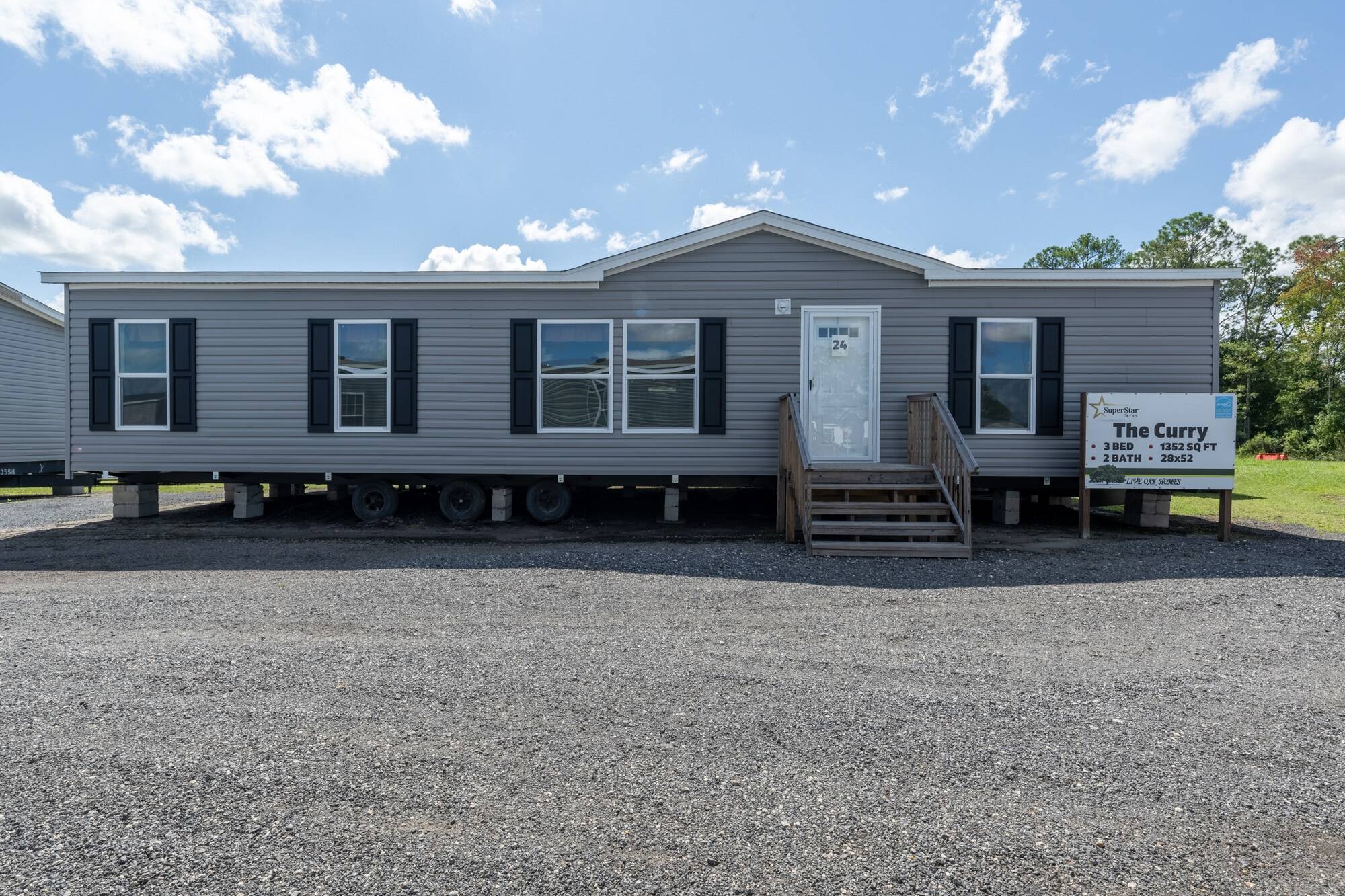
CB Isaac Realty is excited to introduce four brand-new manufactured homes currently under construction, offering modern design, spacious acreage, and excellent value for buyers wanting rural living with updated comfort.


🆕 Coming Soon – Early Spring Completion

CB Isaac Realty is proud to partner with Wayne Frier to help buyers explore customization options and understand the building process.

These homes are located in a charming neighborhood featuring manufactured homes on spacious 1+ acre lots — providing privacy, room to grow, and peaceful country surroundings.

Property Highlights:

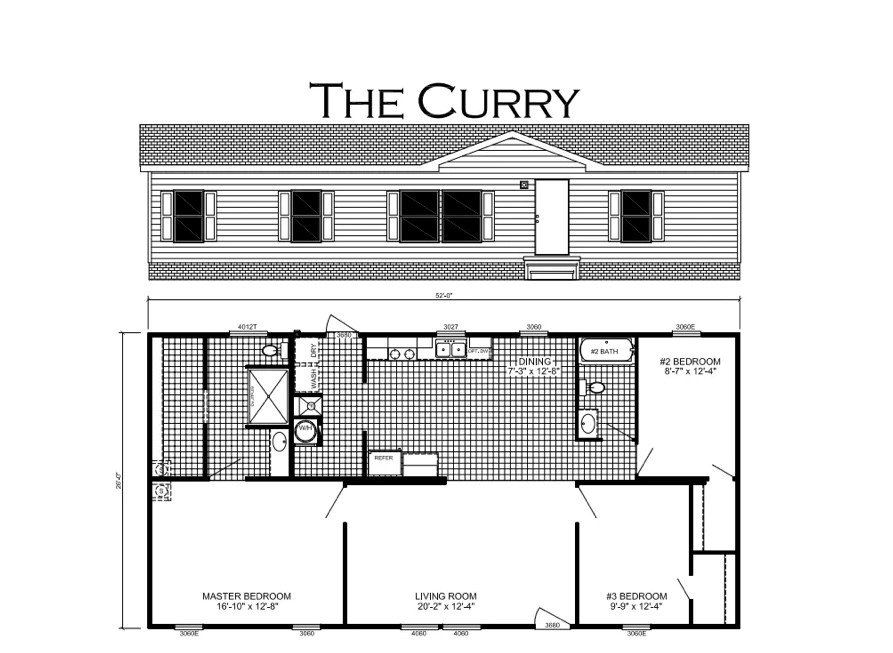
🏡 Cozy 3 Bedroom / 2 Bathroom Floorplan
🌿 Situated on approximately 1.01 Acres
✨ Modern Open Layout
🛋 Spacious Living Room with Natural Flow
🍽 Beautiful Kitchen with Stylish Cabinetry and Functional Design
👨‍👩‍👧 Dedicated Dining Space Perfect for Family Gatherings
🛏 Split Bedroom Floorplan for Privacy
🚿 Large Primary Suite with Walk-In Closet and Private Bath
🧺 Oversized Laundry Room with Extra Storage
🚜 Plenty of Outdoor Space for Equipment, Recreational Toys, or Homesteading

These homes offer the perfect blend of affordability, comfort, and North Florida lifestyle. Click here to see more details.


🌄 Why These Homes Are Attracting Buyers

Many buyers relocating to North Florida are searching for:

✔ Affordable new construction
✔ Land ownership
✔ Privacy and outdoor space
✔ Flexible living options
✔ Faster move-in timelines

Manufactured home communities with acreage provide all of these benefits.


📊 Who Manufactured Homes Are Perfect For

These properties are especially popular with:

• First-time homebuyers
• Retirees downsizing to manageable land
• Remote workers relocating for lifestyle
• Families wanting acreage without luxury pricing
• Buyers building homesteads or mini farms


🧭 Tips Before Buying Land for a Manufactured Home

Before purchasing land, always verify:

✔ Zoning permissions
✔ Utility availability
✔ Flood zone status
✔ Soil and septic suitability
✔ Access and easements
✔ Financing eligibility

Working with experienced land and rural property specialists makes this process much smoother.


🏡 The Bottom Line

Yes — you can place a manufactured home on land in many parts of North Florida. However, every property is different, and understanding zoning, costs, and installation requirements is essential to making a smart investment.

With new construction manufactured homes coming soon, buyers have an excellent opportunity to secure modern housing combined with the lifestyle advantages of acreage living.


📞 Thinking About Buying Land or Manufactured Homes in North Florida?

The team at CB Isaac Realty specializes in:

✔ Land purchases
✔ Manufactured and modular home guidance
✔ Rural property evaluations
✔ Homesteading opportunities
✔ New construction opportunities
✔ Local zoning expertise

👉 Browse available listings and upcoming new construction opportunities on our website.
👉 Call or text us anytime for personalized property guidance.

We’re here to help you find the perfect place to call home. 

Feb. 10, 2026

Hidden Costs of Buying Land or Rural Property in North Florida (What Most Buyers Miss)

Buying land or rural property in North Florida is a dream for many buyers. Wide-open acreage, peaceful surroundings, lower purchase prices, and flexible zoning make areas like Keystone Heights, Melrose, Hawthorne, Starke, and Putnam County extremely attractive. Whether you're planning to build your dream home, start a homestead, invest in land, or simply enjoy more privacy, rural North Florida offers incredible opportunities.

However, one of the biggest mistakes land buyers make is focusing only on the purchase price. While land may appear affordable compared to city homes, there are several hidden costs that can impact your overall investment. Understanding these expenses upfront helps buyers make smart decisions and avoid surprises later.

Here’s what you need to know before purchasing land or rural property in North Florida.


1. Well and Septic System Installation

Many rural properties in North Florida do not have access to public water or sewer systems. Instead, most homes rely on private wells and septic systems.

Typical Cost Range:

• Well installation: $6,000 – $15,000+
• Septic system installation: $5,000 – $12,000+

Costs can vary based on soil type, water depth, and county regulations. Some properties already have systems installed, but buyers should always verify age, condition, and permitting history.


2. Land Clearing and Site Preparation

Raw or wooded land often requires clearing before construction can begin. While mature trees provide beauty and privacy, they can also increase preparation costs.

Potential Expenses:

• Tree and brush clearing
• Stump removal
• Grading and leveling
• Driveway installation
• Soil testing for building suitability

In heavily wooded areas like Hawthorne and Melrose, clearing costs can range from a few thousand dollars to significantly higher depending on acreage and vegetation density.


3. Utility Access and Power Installation

Some rural properties may have power available at the road but not directly on the property. Running electricity from the nearest pole can add unexpected expenses.

Factors That Impact Utility Costs:

• Distance from power source
• Terrain and accessibility
• Underground vs overhead wiring
• Additional permits and inspections

Buyers should always confirm utility availability before purchasing land, especially when evaluating vacant acreage.


4. Flood Zones and Wetlands Considerations

North Florida offers stunning natural landscapes, including lakes, creeks, and wooded wetlands. While beautiful, these features can affect how the land can be used or developed.

Potential Costs:

• Flood insurance requirements
• Environmental surveys
• Mitigation or building restrictions
• Limited buildable area on some parcels

A property survey and flood zone check are essential steps before closing on rural land.


5. Easements and Property Access

Not all land parcels have direct road frontage. Some properties rely on easements or shared access roads for entry.

Buyers should verify:
• Legal recorded access
• Easement maintenance agreements
• Utility easements affecting building locations

Access issues can significantly impact property value and future development plans.


6. Zoning and Land Use Restrictions

North Florida offers flexible zoning compared to many urban areas, but regulations still vary by county and parcel.

For example:

Agricultural Zoning May Allow:

• Livestock and farming
• Mobile or modular homes
• Outbuildings and barns
• Homestead development

Residential Zoning May Limit:

• Agricultural activity
• Additional structures
• Home-based businesses

Always confirm zoning and future land use with local planning departments before purchasing.


7. Property Taxes and Agricultural Exemptions

Rural land taxes can vary widely depending on zoning, acreage, and land use. However, agricultural exemptions can significantly reduce annual tax costs if the property qualifies.

Buyers planning farming, livestock, or timber use should explore exemption opportunities, which can save thousands of dollars over time.


8. Insurance and Maintenance Costs

Rural properties often require specialized insurance coverage and ongoing maintenance.

Additional Considerations:

• Hurricane and wind coverage
• Well and septic maintenance
• Fence and driveway upkeep
• Pest and wildlife management

These ongoing expenses should be factored into long-term ownership planning.


Why Working With Local Land Experts Matters

Buying rural property is very different from purchasing a traditional neighborhood home. Local knowledge can help buyers identify:

✔ Buildable vs non-buildable land
✔ Utility and infrastructure availability
✔ Zoning and future land use
✔ Flood zone and environmental concerns
✔ Agricultural tax benefits
✔ Development potential

At CB Isaac Realty, our team specializes in helping buyers navigate the unique challenges of land and rural property purchases across North Florida.


Is Buying Land in North Florida Still Worth It?

For many buyers, the answer is absolutely yes.

North Florida continues to attract buyers looking for:

• Affordable acreage
• Homestead and farming opportunities
• Outdoor recreation and lake living
• Investment and development potential
• Peaceful rural lifestyles with city access

Understanding the full cost picture allows buyers to confidently invest in property that supports their long-term goals.


Ready to Explore Land or Rural Property in North Florida?

If you're considering buying acreage, building a home, or investing in land, working with experienced local professionals can make the process smoother and more successful.

Our team at CB Isaac Realty specializes in:

✔ Land and acreage sales
✔ Rural and agricultural properties
✔ Lakefront and waterfront homes
✔ Investment and development opportunities


Feb. 9, 2026

Step-by-Step Home Buying Process in North Florida (2026 Guide)

Buying a home in North Florida is an exciting journey, whether you’re relocating, upgrading, downsizing, or purchasing your very first property. From lakefront homes in Keystone Heights to country acreage in Hawthorne or family neighborhoods in Jacksonville, understanding the home buying process can help you avoid surprises and make confident decisions.

This step-by-step guide explains exactly how buying a home works in North Florida and what local buyers should expect in today’s market.


Step 1: Determine Your Budget and Financial Readiness

Before you start browsing homes online, it’s important to understand how much home you can realistically afford.

Key things to evaluate:

• Credit score
• Monthly income and debt
• Down payment savings
• Closing costs and reserves
• Loan options available to you

Many buyers in North Florida qualify for loan programs that require lower down payments, including:

• Conventional loans
• FHA loans
• VA loans
• USDA Rural Development loans (very popular in rural North Florida)

Because many areas like Melrose, Hawthorne, Starke, and parts of Keystone Heights qualify for USDA loans, buyers may even be able to purchase with little to no down payment.

👉 Tip: Speak with a local lender early. Pre-qualification helps you shop confidently and strengthens your offers.


Step 2: Get Pre-Approved for a Mortgage

Pre-approval is one of the most important steps in the entire home buying process.

It tells sellers that you are serious, financially qualified, and ready to purchase.

During pre-approval, lenders review:

• Income documentation
• Tax returns
• Credit history
• Employment verification
• Debt-to-income ratio

In competitive markets like Jacksonville or desirable lake communities, pre-approved buyers often have stronger negotiating power.


Step 3: Partner With a Local Real Estate Expert

North Florida offers a wide variety of property types, including:

• Waterfront homes
• Rural acreage and farm properties
• New construction homes
• Historic homes
• Manufactured and modular homes
• Investment properties

Each type comes with unique considerations such as zoning, utilities, flood zones, and property restrictions. A knowledgeable local agent helps you:

✔ Identify the right communities
✔ Understand land use and zoning rules
✔ Locate properties before they hit the market
✔ Negotiate pricing and repairs
✔ Guide you through inspections and closing


Step 4: Start Your Home Search

Once pre-approved, you can begin touring homes that match your needs and lifestyle goals.

Buyers should consider:

• Commute distance to Gainesville or Jacksonville
• School districts
• Lake access vs. lakefront property
• HOA or deed restrictions
• Utility availability (especially in rural areas)
• Property taxes and insurance costs

Many buyers relocating to North Florida prioritize privacy, outdoor recreation, and larger property sizes compared to city living.


Step 5: Make a Competitive Offer

When you find the right home, your agent will help you prepare an offer based on:

• Market conditions
• Comparable sales
• Property condition
• Seller motivation

Offers typically include:
• Purchase price
• Financing terms
• Inspection period
• Earnest money deposit
• Closing timeline

North Florida markets can vary widely. Some homes receive multiple offers, while others allow for negotiation opportunities.


Step 6: Complete Home Inspections and Due Diligence

After your offer is accepted, you enter the inspection period.

This is your opportunity to fully evaluate the property.

Common inspections include:

• General home inspection
• Termite/WDO inspection
• Well and septic inspection (common in rural areas)
• Roof inspection
• Survey verification
• Flood zone review

If issues are discovered, buyers may request repairs, negotiate pricing adjustments, or withdraw from the contract if necessary.


Step 7: Final Loan Approval and Appraisal

Your lender will order an appraisal to confirm the property’s value matches the loan amount.

During this time, buyers should:
• Avoid opening new credit accounts
• Avoid large purchases
• Maintain stable employment
• Provide requested documents quickly

Once underwriting is complete, you will receive final loan approval.


Step 8: Prepare for Closing

Closing typically occurs 30-45 days after contract acceptance, although timelines can vary.

Before closing, buyers will:
• Review final closing disclosure
• Conduct a final walkthrough
• Arrange homeowner’s insurance
• Transfer utilities into their name
• Wire closing funds


Step 9: Close on Your Home and Receive the Keys

At closing, legal documents are signed, funds are transferred, and ownership is officially recorded.

Congratulations, you are now a homeowner in North Florida!


Why Buyers Are Choosing North Florida in 2026

More buyers are discovering the lifestyle advantages North Florida offers:

✔ More affordable home prices compared to major Florida cities
✔ Larger properties and acreage opportunities
✔ Access to lakes, rivers, and outdoor recreation
✔ Growing investment opportunities
✔ Strong community atmosphere
✔ Rural charm with city convenience nearby


Common Mistakes Buyers Should Avoid

First-time buyers and relocators often benefit from avoiding these pitfalls:

• Skipping pre-approval
• Underestimating closing costs
• Ignoring zoning or land restrictions
• Waiving inspections
• Overlooking insurance or flood requirements
• Waiting too long to make offers in competitive areas


How CB Isaac Realty Helps Buyers Navigate the Process

Working with a local brokerage that understands the unique North Florida market can make the entire experience smoother and less stressful.

Our team helps buyers:

• Understand financing options
• Locate properties that match lifestyle goals
• Evaluate land and zoning restrictions
• Negotiate favorable contract terms
• Coordinate inspections and closing timelines
• Provide local knowledge about communities and future growth


Start Your Home Buying Journey in North Florida

Whether you're searching for a peaceful country retreat, lakefront property, investment opportunity, or family home near Gainesville or Jacksonville, North Florida offers something for every buyer.

If you’re thinking about buying a home or simply want to explore available properties, working with a local expert can help you move forward with confidence.

See our newest listings here: www.cbisaacrealty.com